



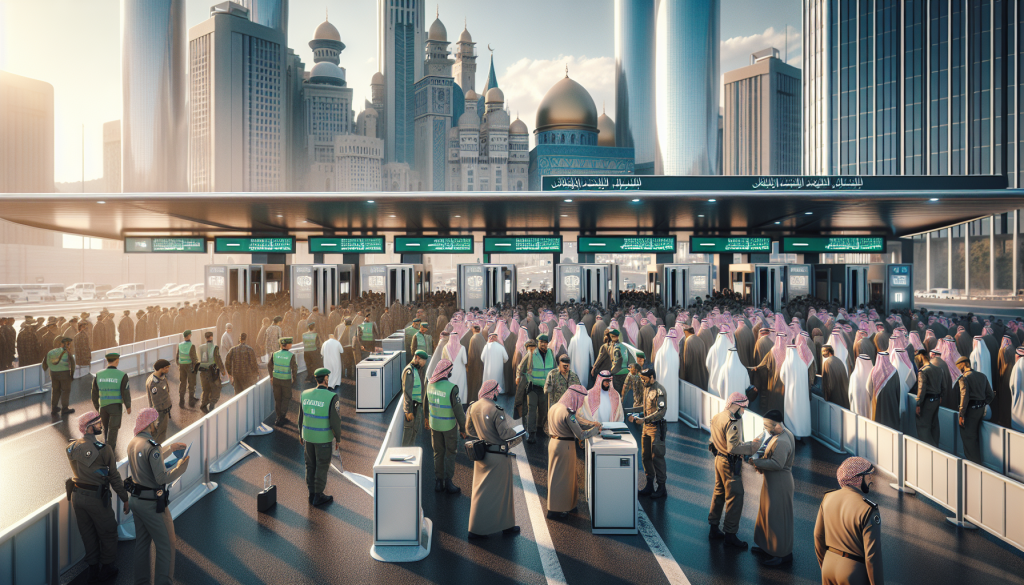
Saudi Arabia has implemented a new regulation prohibiting all expatriates from entering Makkah without an official permit, effective Monday, April 13. This measure is part of a comprehensive framework designed to manage this year’s Hajj season, focusing on the safety of pilgrims and the orderly conduct of rituals under the directive, “No Hajj without a permit.”
Under these updated rules, only expatriates possessing a residency permit (iqama) issued in Makkah, a valid Hajj permit, or a work permit specifically for the holy sites will be granted access to the city. Individuals lacking the necessary documentation will be denied entry at security checkpoints located at Makkah’s access points.
In a significant development, April 18 (Dhul Qada 1) has been designated as the final date for all foreign pilgrims who arrived on Umrah visas to depart the Kingdom. Additionally, Saudi authorities will halt the issuance of Umrah permits via the Nusuk platform for all groups—including citizens, expatriates, and Gulf Cooperation Council (GCC) nationals—from April 18 until May 31 (Dhul Hijjah 14).
The new regulations also bar entry or residence in Makkah for all visa holders, regardless of visa type, starting April 18, except for those holding Hajj-specific visas. The Interior Ministry highlighted that Hajj permits can be obtained electronically through the Absher Individuals platform and the Muqeem portal, reflecting ongoing efforts to improve digital services and simplify procedures.
The ministry emphasized the importance of full adherence to the Hajj regulations, stressing that cooperation with authorities is crucial to safeguarding the security and wellbeing of pilgrims. It also warned that violators of these rules will face stringent penalties.

Leave an opinion