



Rebecca Crews recently revealed how a revolutionary focused ultrasound treatment has dramatically improved her life after battling Parkinson’s disease for 11 years. The actress shared that she can now write her name and walk unaided, marking a significant milestone in her journey with the condition.
This FDA-approved therapy, which offers hope to millions of Parkinson’s patients globally, became a turning point for Rebecca last July. At her lowest moment, overwhelmed by tremors and sleepless nights, she was nearly ready to give up. It was then that her husband, Terry Crews, brought her news of a groundbreaking Parkinson’s treatment just approved by the FDA. He encouraged her by recalling a story about a man who refused rescue boats while waiting for a miracle, telling her, “Becky, don’t miss your boat.” Those words sparked a change.
Eight months later, after receiving the advanced treatment at Stanford Hospital, Rebecca felt ready to share her experience publicly. She is confident that this technology can provide hope to many others suffering quietly.
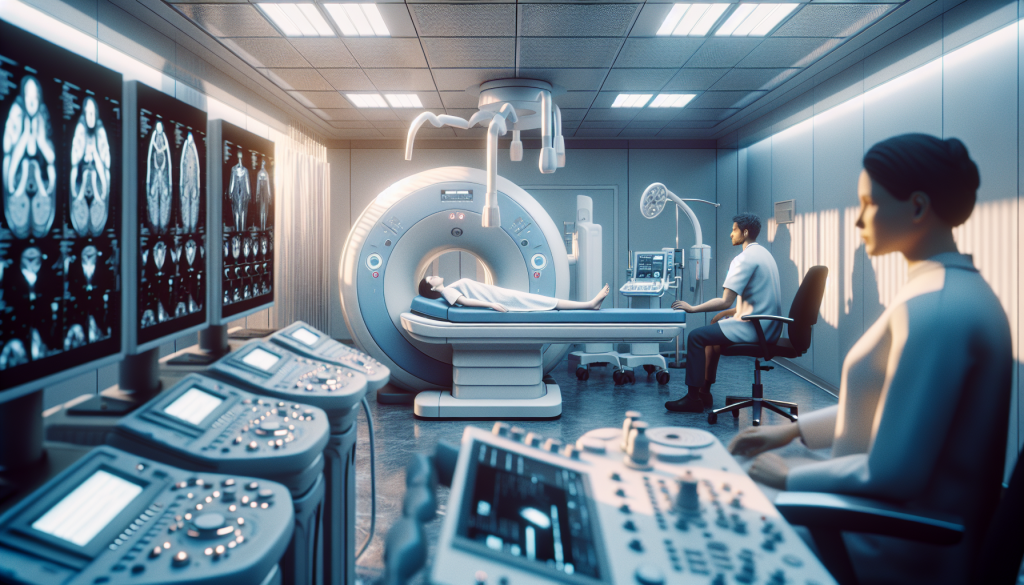
The treatment involves a non-invasive procedure called bilateral focused ultrasound, lasting about five hours inside an MRI scanner. Using the Exablate Neuro device developed by Insightec, doctors deliver precisely targeted sound waves to brain regions responsible for Parkinson’s symptoms such as tremors, stiffness, balance problems, and sleep disturbances.
Dr. Vivek Buch, the neurosurgeon at Stanford University who managed Rebecca’s care, explained that the device helps patients regain control over everyday tasks like eating and dressing. Unlike traditional surgeries, this incision-free method produces results within hours and eliminates the need for prolonged hospital stays.
Throughout the procedure, Terry monitored Rebecca’s progress remotely while traveling in Australia. At a nearby hotel, Rebecca experienced something she hadn’t in over a decade: she stood up and lifted her leg without support. She also managed to write her name in clear handwriting for the first time in years—both feats previously impossible.
Rebecca reflected, “I noticed it immediately. I could lift my leg without holding onto anything, and then I realized I could write my name legibly. I couldn’t do any of those things before the procedure.”
Focused ultrasound represents a promising alternative to conventional Parkinson’s treatments, including medication and invasive surgeries like deep brain stimulation. This non-invasive approach offers lasting symptom relief without incisions, marking a major advancement in neurological care. The FDA’s approval in July 2025 signifies a hopeful new chapter for the estimated 1.1 million Americans living with Parkinson’s disease.

Leave an opinion