



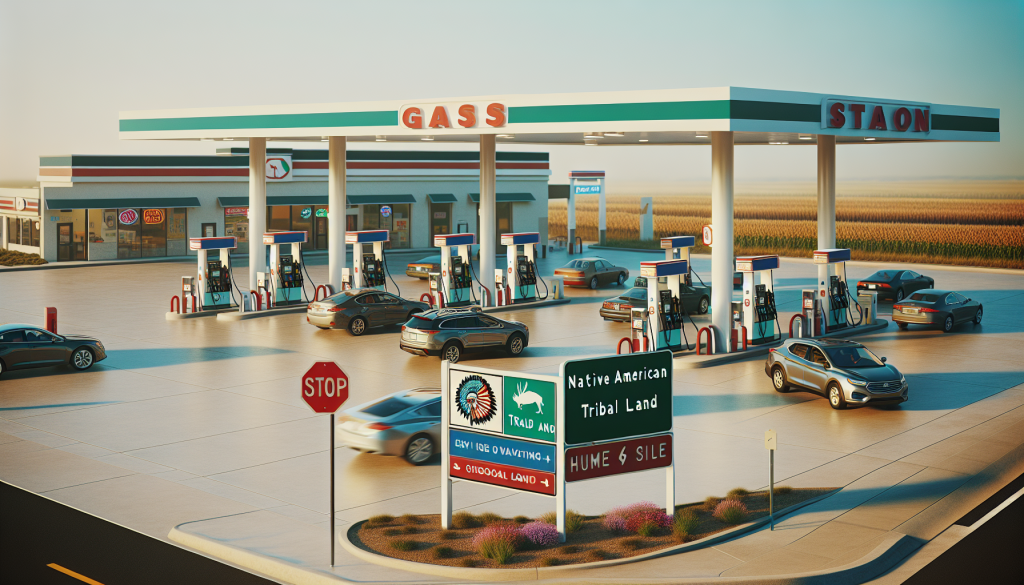
In the United States, motorists are increasingly traveling to Native American tribal territories to purchase gasoline at significantly lower prices. This trend is driven by tax exemptions that apply to fuel sold on tribal lands, making it some of the most affordable in the country. These exemptions stem from the unique legal status of Native American reservations, which often allows them to operate outside certain state and federal tax regulations.
Historically, fuel prices in the US have varied widely due to state taxes and local regulations, but tribal lands offer a notable exception. The tax advantages on these lands not only attract local drivers but also those from neighboring areas seeking to reduce their fuel expenses. This dynamic highlights the economic importance of tribal sovereignty and its impact on regional markets.
Meanwhile, the influx of drivers to these areas has implications for both the local economies and traffic patterns. While it provides a boost to tribal businesses, it also raises questions about infrastructure capacity and regulatory oversight. The phenomenon underscores the broader significance of tribal lands in the US economy and their role in shaping consumer behavior in the fuel market.

Leave an opinion