

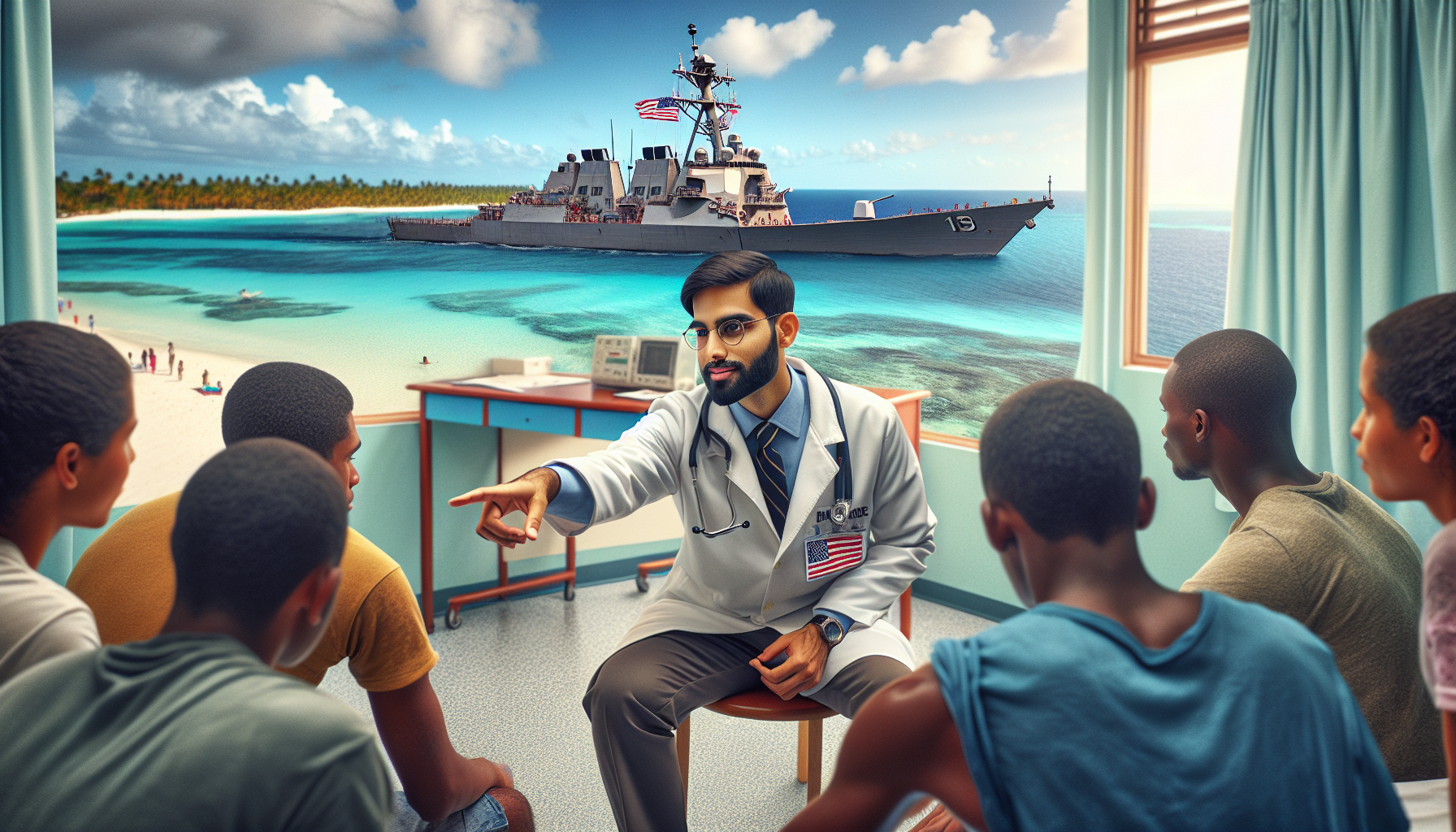
For over sixty years, Cuba has faced a stringent US blockade that has severely impacted its economy and healthcare system. Despite these hardships, Cuba has extended its support worldwide by sending medical professionals to assist in global health crises. This humanitarian outreach contrasts sharply with the US response, which has included deploying military assets such as destroyers to assert pressure on the island.
In a significant development, the blockade not only restricts Cuba’s economic growth but also undermines its ability to contribute to international solidarity efforts. The island’s medical missions have been a symbol of resilience and cooperation, providing aid to numerous countries in need. Meanwhile, the US maintains a hardline stance, reinforcing the blockade and escalating military presence in the region.
The ongoing US embargo continues to exacerbate the suffering of the Cuban people, limiting access to essential goods and services. This policy has drawn widespread criticism for its humanitarian consequences and its role in stifling Cuba’s global partnerships. The contrasting approaches of Cuba’s medical diplomacy and US military pressure highlight the broader geopolitical tensions surrounding the island.
