

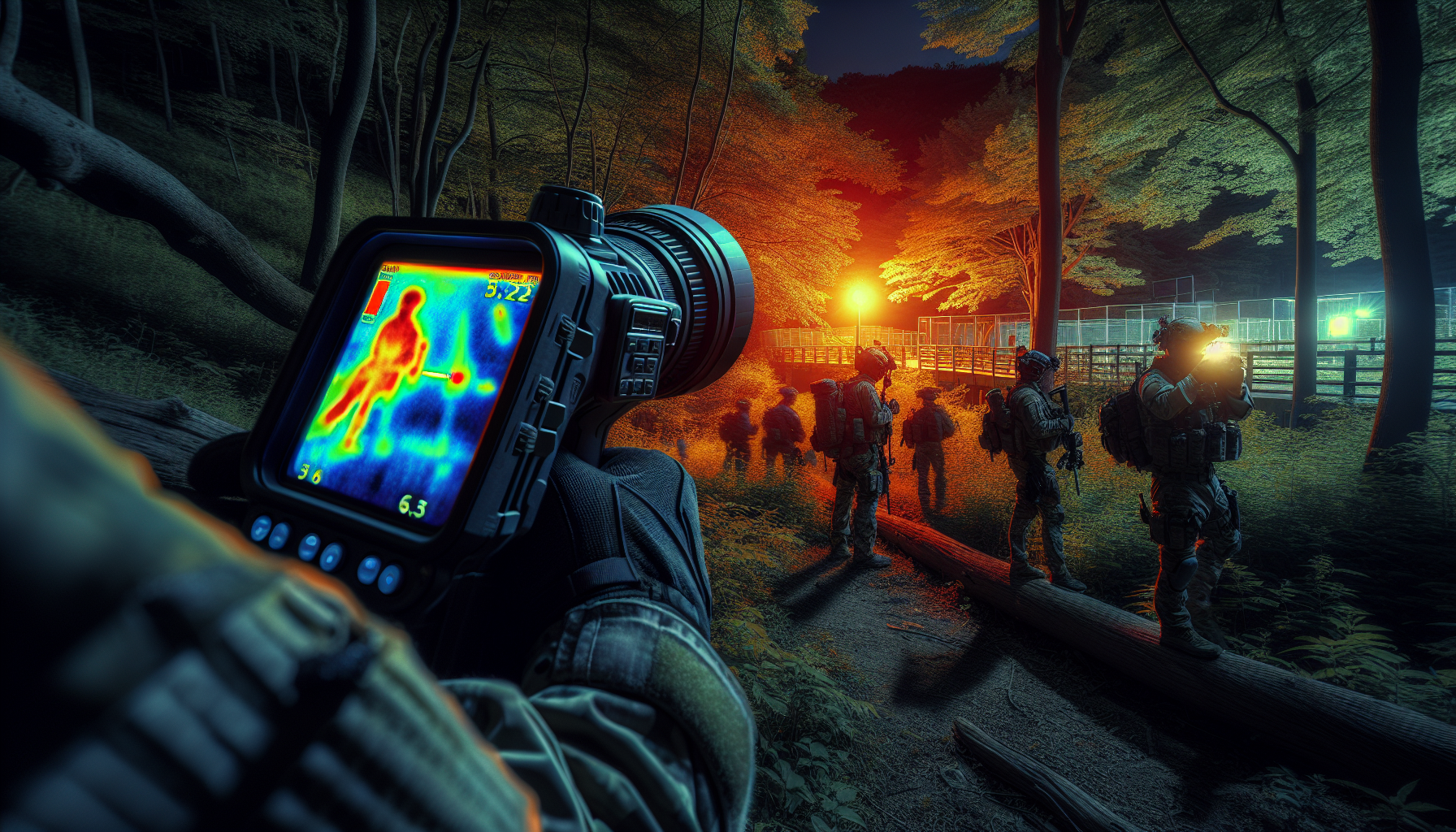
In a significant development in wildlife management, South Korean officials have initiated a search operation using thermal imaging cameras to locate a male wolf named Neukgu. The wolf escaped from a zoo located in the central city of Daejeon on Wednesday, prompting immediate action from local authorities. This deployment of advanced technology highlights the increasing use of innovative tools in tracking and managing escaped animals in urban areas.
Neukgu’s escape has raised concerns about public safety and the welfare of the animal, as wolves are not native to urban environments and can pose risks if they come into contact with humans or domestic animals. The use of thermal imaging cameras allows search teams to detect the wolf’s heat signature during nighttime or in dense foliage, improving the chances of a swift and safe recapture. This method has been successfully employed in similar wildlife tracking scenarios worldwide.
The incident underscores the challenges zoos face in securing enclosures and ensuring animal containment, especially for species with strong survival instincts like wolves. Meanwhile, the local community remains vigilant as authorities continue their efforts to safely retrieve Neukgu. The outcome of this search will likely influence future protocols for animal security and emergency response in South Korean zoos and wildlife facilities.
