

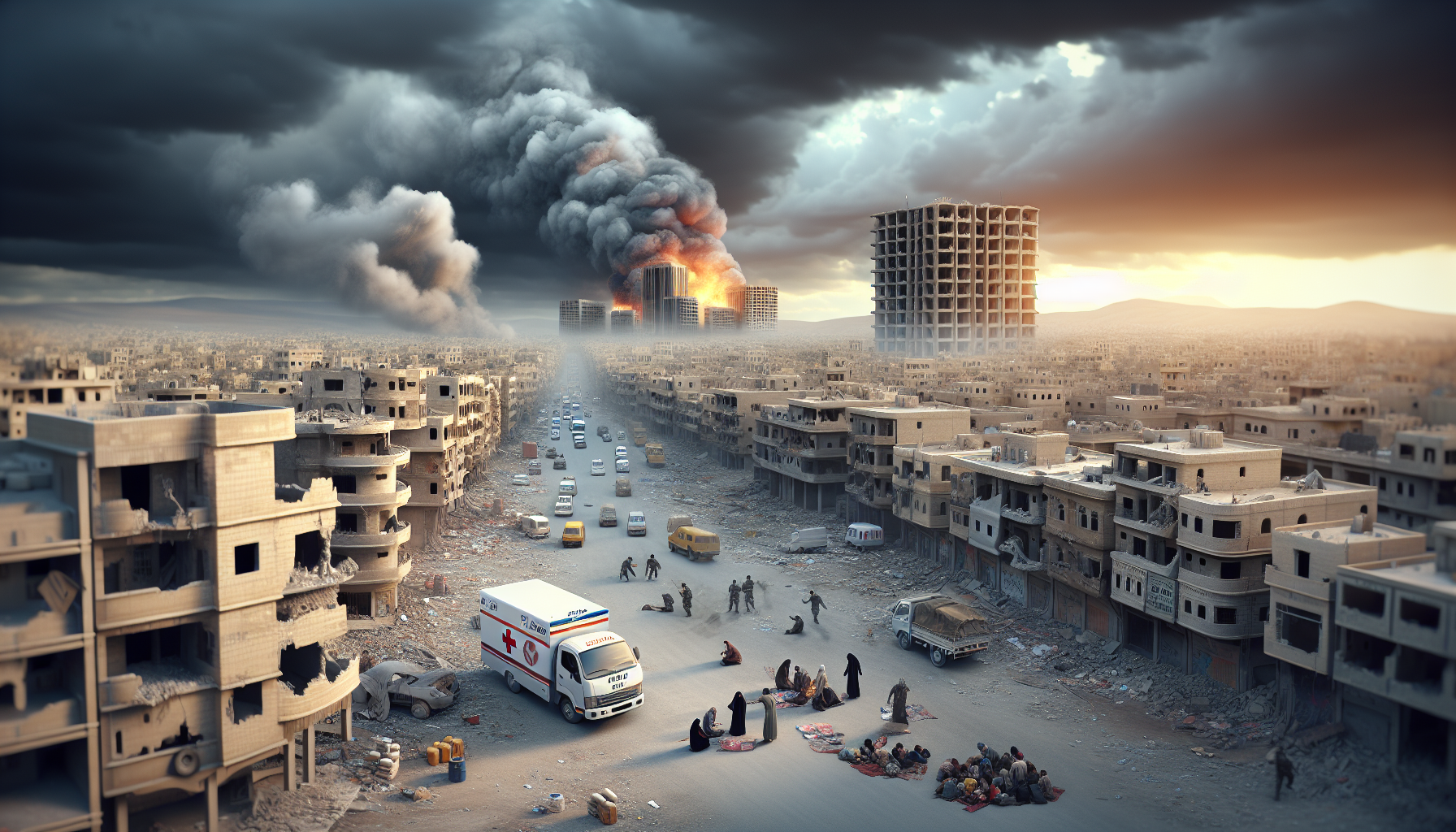
Six months have passed since the October 2025 ceasefire agreement aimed at halting hostilities in Gaza, yet the region remains engulfed in turmoil. Despite the formal cessation of large-scale combat, sporadic attacks continue to disrupt daily life, undermining hopes for lasting peace. The fragile truce has failed to bring stability, as both sides accuse each other of violations, perpetuating a cycle of violence. Civilians remain caught in the crossfire, facing constant insecurity and fear.
Meanwhile, humanitarian aid delivered to Gaza has been insufficient to meet the growing needs of the population. Blockades and logistical challenges have severely limited the flow of essential supplies such as food, medicine, and fuel. This scarcity exacerbates the already dire living conditions, with hospitals overwhelmed and infrastructure damaged. International organizations have repeatedly called for increased assistance and unrestricted access to alleviate the suffering of millions.
In a significant development, the ceasefire has not prevented the escalation of regional conflicts that further destabilize Gaza and its surroundings. Tensions between neighboring countries and various militant groups have intensified, complicating diplomatic efforts and security arrangements. The ongoing instability threatens to derail any progress toward a comprehensive peace settlement. The situation underscores the urgent need for renewed dialogue and coordinated international intervention to address the root causes of the conflict.
