

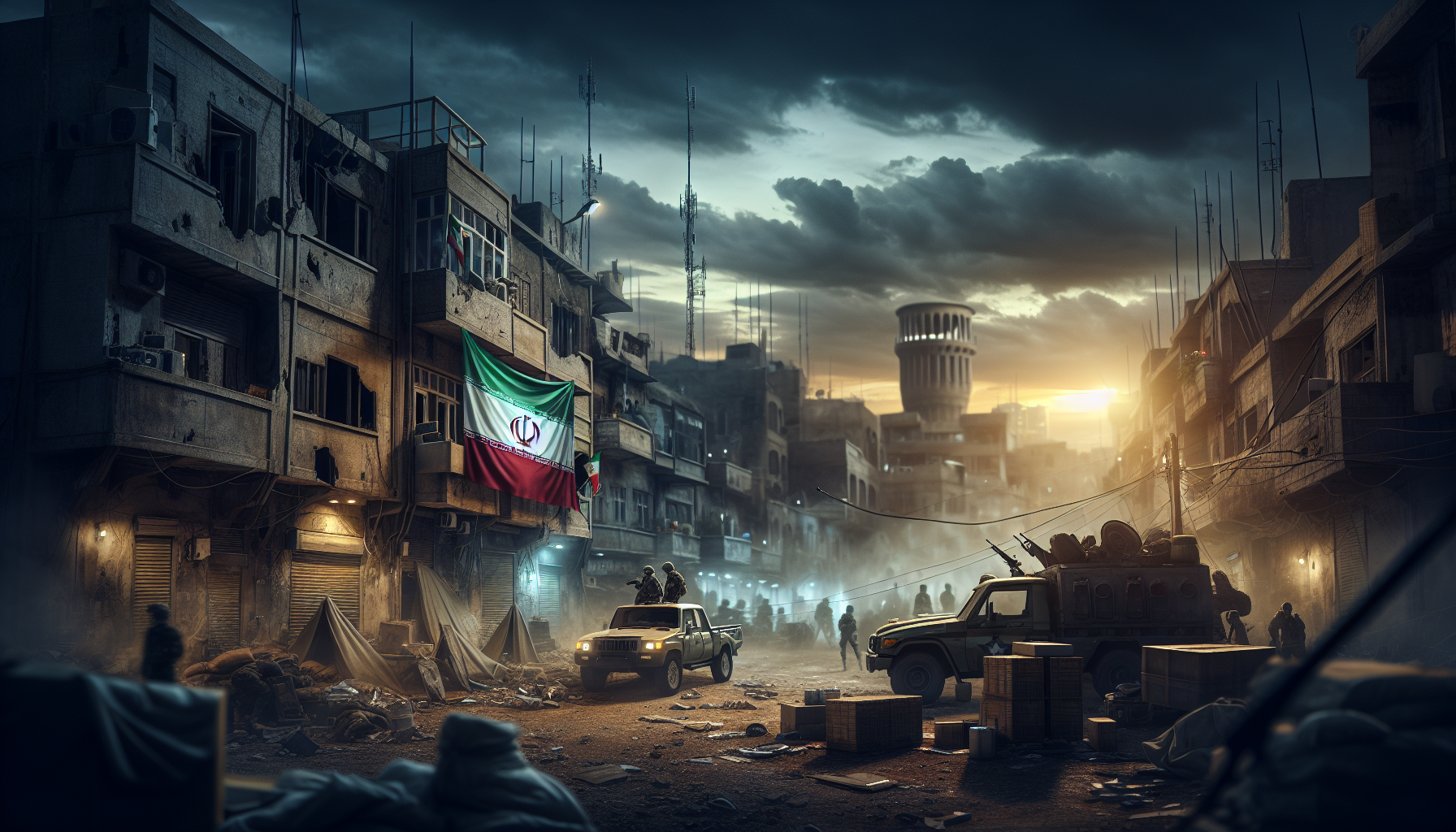
The ongoing conflict involving Iran and the US-Israel alliance has resulted in significant human suffering for Iran. Despite expectations from the US and Israel that they could dismantle Iran’s influence and power, Tehran has managed to maintain its position. This endurance highlights Iran’s ability to withstand intense pressure and military challenges. The conflict has not only tested Iran’s resilience but also reshaped regional dynamics in the Middle East.
In a significant development, Iran’s survival amid these adversities is viewed as a strategic win, even though the costs have been substantial. The US and Israel aimed to curtail Iran’s regional ambitions and nuclear capabilities, but Iran’s continued resistance complicates their objectives. This ongoing struggle underscores the complexities of geopolitical rivalries in the region. It also reflects the broader contest for influence between Western powers and Middle Eastern states.
Meanwhile, the implications of Iran’s endurance extend beyond immediate military outcomes. It affects diplomatic negotiations, regional alliances, and global security considerations. Iran’s ability to absorb losses and persist challenges assumptions about power balances in the Middle East. This scenario continues to influence international policy decisions and the strategic calculations of involved nations.
