



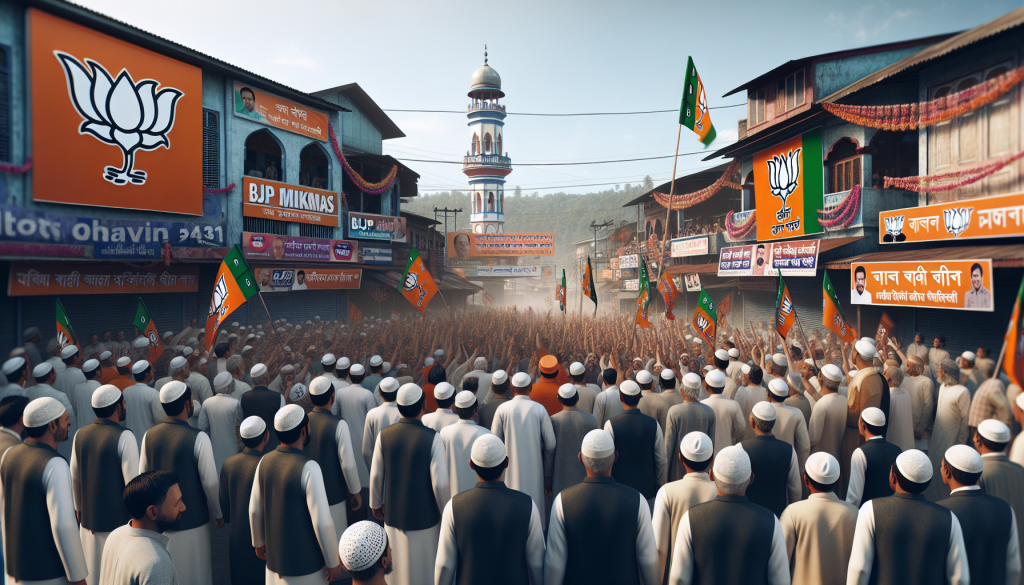
In a significant development ahead of elections in the northeastern state of Assam, the Bharatiya Janata Party (BJP) has begun identifying certain Assamese Muslims as ‘Indigenous’ or ‘new miyas.’ This move aims to broaden the party’s appeal to the region’s approximately four million-strong Muslim population. The BJP’s strategy reflects an effort to reshape political alliances in a state where ethnic and religious identities play a crucial role in voting behavior.
Historically, Assam has witnessed tensions between indigenous communities and migrants, particularly involving Bengali-speaking Muslims. The BJP’s attempt to categorize some Muslims as indigenous is a departure from previous narratives and seeks to integrate these groups into the party’s broader political framework. However, this reclassification has sparked debate and skepticism among many Assamese Muslims, who question the sincerity and long-term implications of the BJP’s outreach.
Meanwhile, the political landscape in Assam remains complex, with issues of citizenship, identity, and cultural preservation dominating discourse. The BJP’s initiative could influence electoral outcomes by potentially dividing Muslim voters or consolidating support from those who feel recognized. The effectiveness of this approach will likely be tested in the upcoming polls, shaping Assam’s socio-political dynamics for years to come.

Leave an opinion