

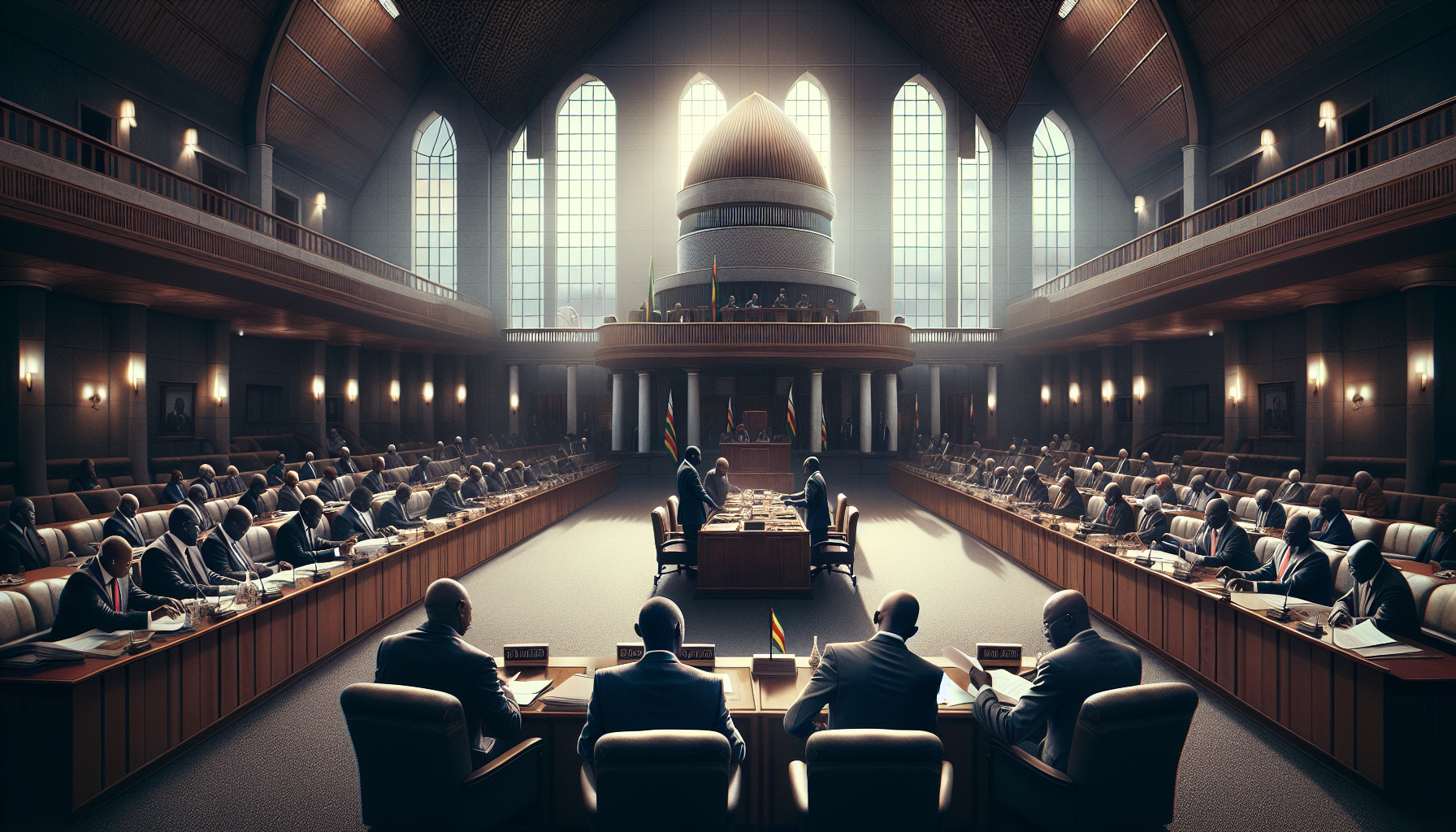
Zimbabwe’s ruling party has introduced a controversial draft legislation aimed at removing the public’s right to directly elect the president. This move has ignited fierce disagreements across the nation, with many citizens and opposition groups expressing concerns over the potential erosion of democratic processes. The proposed law would fundamentally alter the country’s electoral system, shifting presidential selection away from popular vote.
Historically, Zimbabwe has held direct presidential elections since gaining independence, making this proposal a significant departure from established democratic norms. The ruling party argues that the change could streamline governance and reduce political tensions, but critics warn it risks consolidating power and undermining political pluralism. This development comes amid ongoing debates about Zimbabwe’s political future and governance reforms.
In a significant development, the draft law has heightened political polarization and raised questions about the future of electoral integrity in Zimbabwe. International observers and human rights organizations are closely monitoring the situation, concerned about the implications for democratic accountability. The outcome of this legislative proposal will likely shape Zimbabwe’s political landscape for years to come.
