

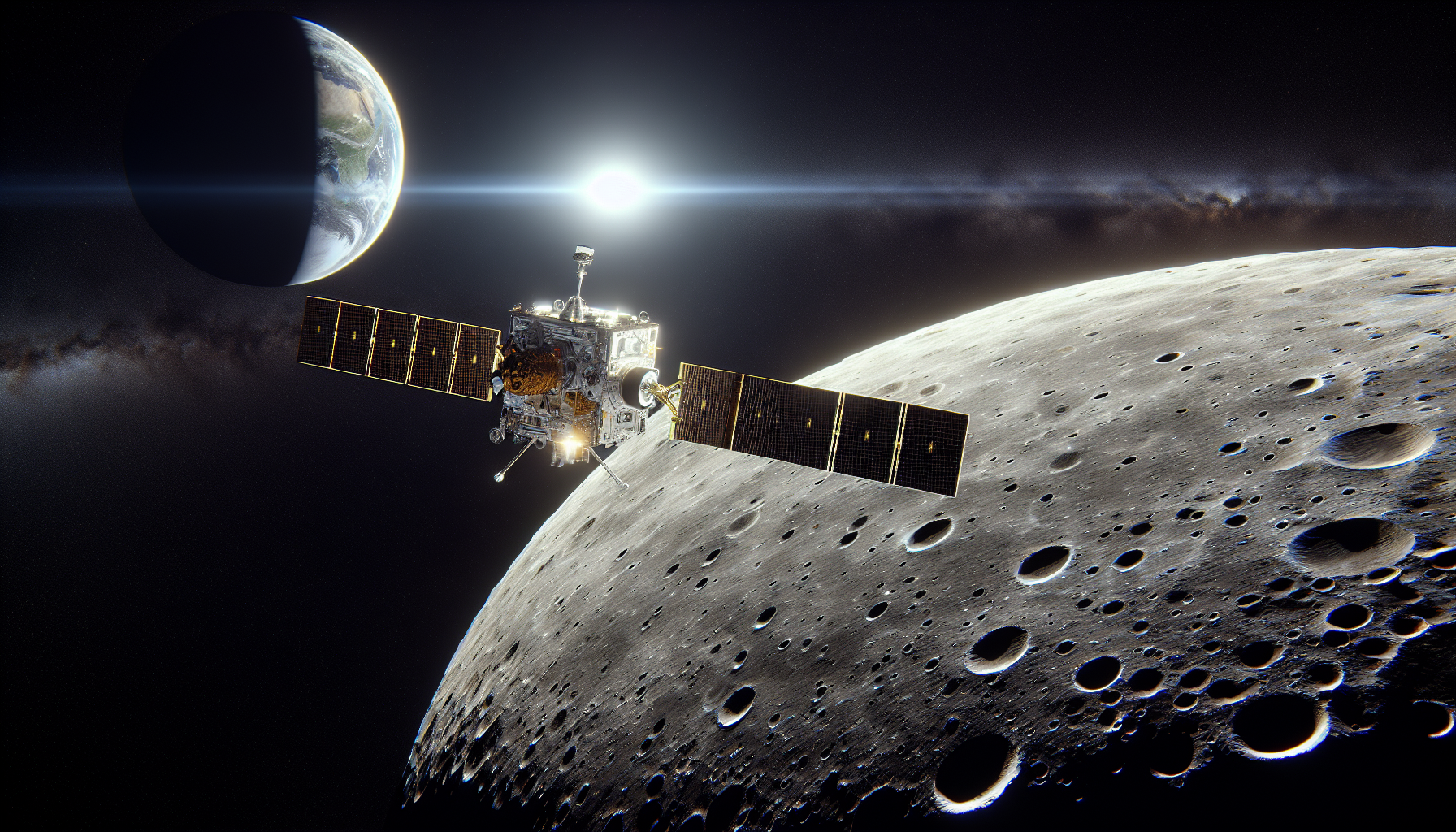
The Artemis II mission has demonstrated remarkable precision and reliability throughout its test flight, reinforcing NASA’s capability to undertake crewed lunar exploration. This mission follows Artemis I, which was an uncrewed test, and serves as a vital precursor to landing astronauts on the Moon’s surface. The near-flawless performance of Artemis II highlights advancements in spacecraft technology and mission planning that NASA has achieved since the Apollo era.
In a significant development for space exploration, Artemis II’s success boosts confidence in the Artemis program’s timeline, which aims to return humans to the Moon by the mid-2020s. The mission tested critical systems such as life support, navigation, and communication, all essential for safe lunar travel. Meanwhile, NASA continues to collaborate with international and commercial partners to ensure sustainable lunar presence and future Mars missions.
Notably, Artemis II’s achievements have reignited global interest in lunar exploration, emphasizing the strategic and scientific importance of the Moon. The mission’s progress also underscores the growing role of advanced technology in expanding human presence beyond Earth. As NASA prepares for Artemis III, which will attempt the first crewed Moon landing in over five decades, Artemis II stands as a testament to renewed ambition and capability in space exploration.
