



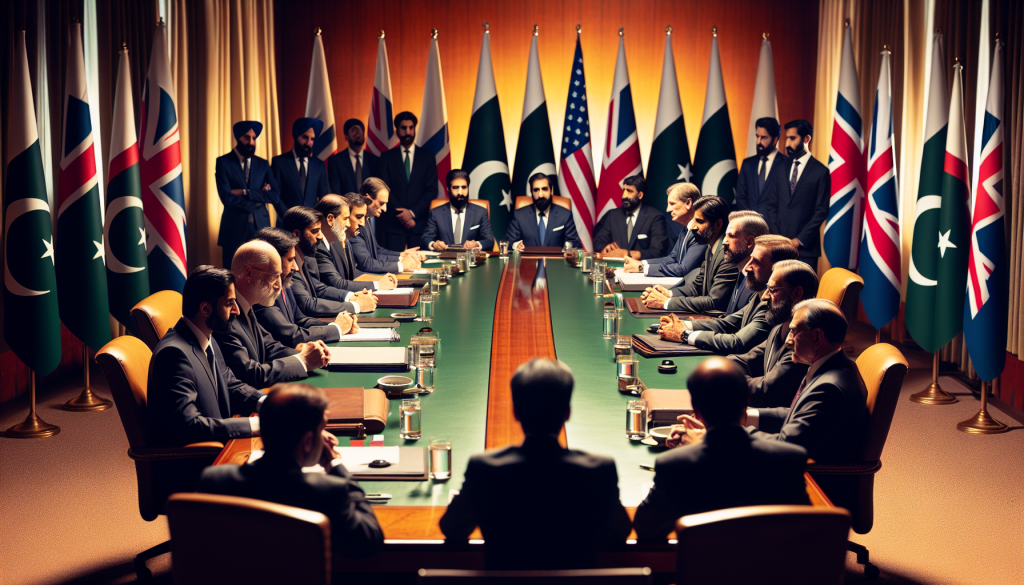
In a significant development, JD Vance has become involved in the latest efforts to mediate between the United States and Iran, with Pakistan playing a crucial role as a mediator. These backchannel negotiations have accelerated recently, reflecting the urgent need to ease escalating tensions between the two nations. Pakistan’s diplomatic engagement underscores its strategic position in facilitating dialogue in a complex geopolitical landscape. Meanwhile, Iran is pursuing indirect communication channels, notably through the US Vice President, to advance discussions without direct confrontation.
The involvement of JD Vance, a prominent political figure, highlights the increasing importance of unofficial diplomatic channels in resolving international conflicts. His participation signals a shift towards more nuanced and discreet negotiation tactics, which may complement formal diplomatic efforts. Pakistan’s mediation is particularly notable given its historical ties and regional influence, positioning it as a key intermediary capable of bridging divides. This approach aims to prevent further deterioration of US-Iran relations, which have been strained over issues such as nuclear development and regional security.
The impact of these mediation efforts could be far-reaching, potentially stabilizing a volatile region and opening pathways for future cooperation. Successful dialogue facilitated by Pakistan and supported by figures like JD Vance may reduce the risk of military escalation and foster a more constructive bilateral relationship. Moreover, this initiative reflects broader international concerns about maintaining peace and security in the Middle East. As these talks progress, the global community watches closely, hopeful that diplomacy will prevail over conflict.

Leave an opinion