

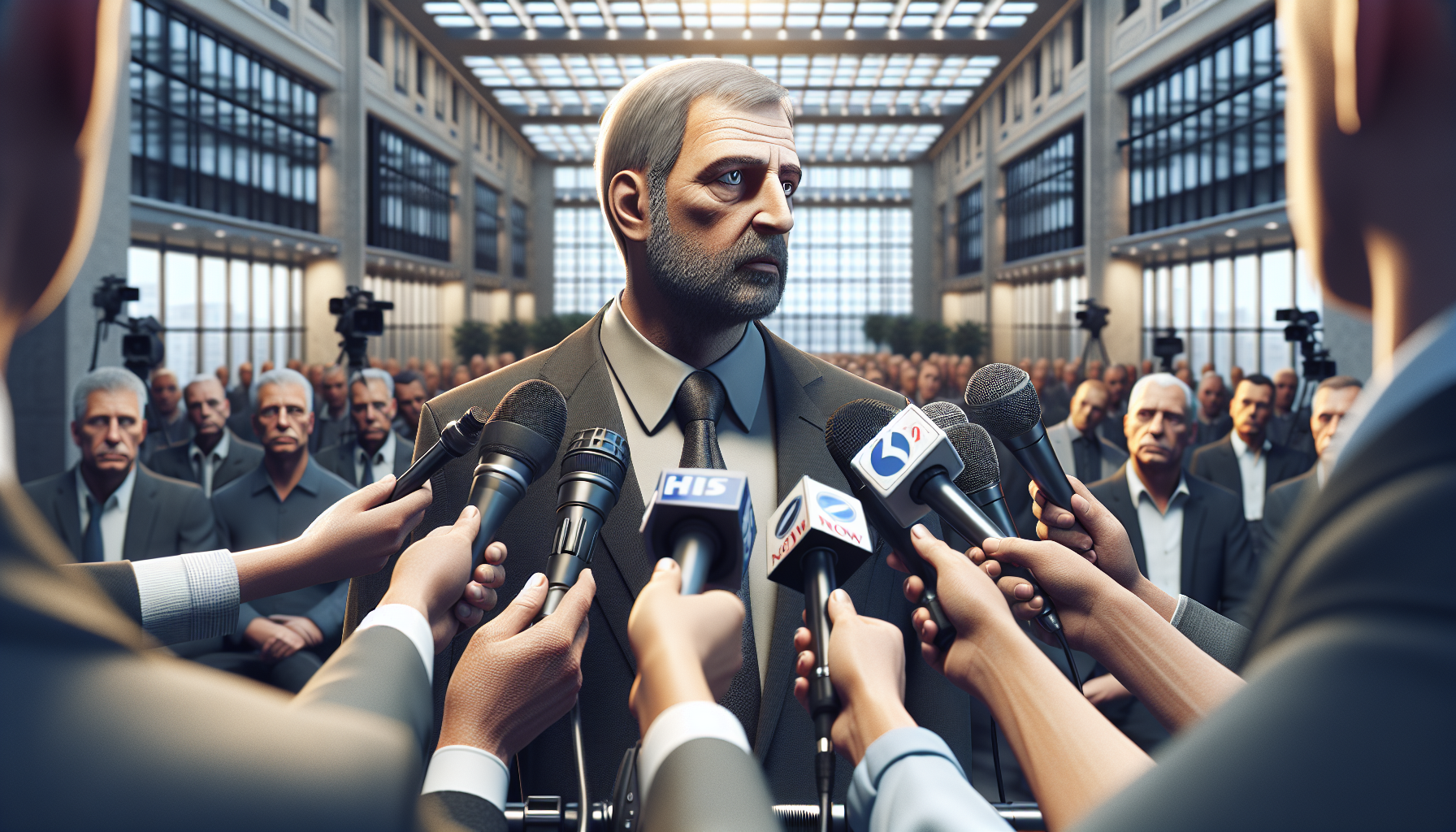
In a significant development, former President Donald Trump publicly demanded that a journalist reveal the source behind a report detailing the rescue of a US airman in Iran. This incident has sparked intense debate over press freedom and government transparency, highlighting the ongoing tensions between media outlets and political figures. The rescue operation itself was a high-profile event, drawing widespread attention to US-Iran relations and military intelligence efforts.
Meanwhile, the journalist’s refusal to disclose their source underscores the ethical challenges faced by reporters when handling sensitive information. The demand for source revelation raises concerns about potential intimidation tactics aimed at suppressing investigative journalism. Such confrontations between the press and political leaders have historical precedence, often igniting discussions about the balance between national security and the public’s right to know.
Notably, this episode reflects broader issues surrounding leaks of classified information and the protection of whistleblowers. The implications extend beyond this single case, as it may influence future interactions between government officials and the media. The controversy also serves as a reminder of the critical role journalists play in holding power to account, especially in matters involving international diplomacy and military operations.
