



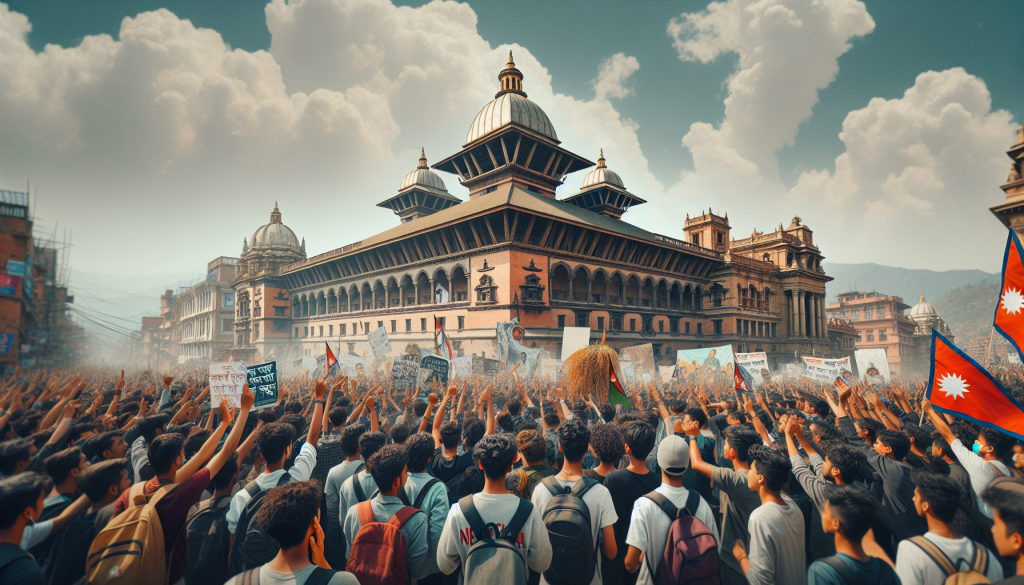
In a significant development across South Asia, Nepal’s Generation Z has successfully mobilized through protests and elections, achieving notable political influence. This youth-driven movement has managed to channel widespread dissatisfaction into tangible electoral victories, marking a shift in the country’s political landscape. The success reflects a growing trend of young voters demanding change and greater representation in governance. Their ability to organize and sustain momentum has set a precedent for youth activism in the region.
Meanwhile, Bangladesh has witnessed a contrasting scenario where youth-led protests and political engagement have struggled to translate into electoral gains. Despite similar levels of enthusiasm and activism among young people, the movement in Bangladesh has faced challenges such as political repression, limited organizational capacity, and entrenched party dominance. These obstacles have hindered the youth’s ability to convert protest energy into meaningful political power. The divergence between the two countries highlights the complex dynamics influencing youth participation in politics.
Notably, the differing outcomes in Nepal and Bangladesh underscore the importance of political environment, institutional openness, and strategic leadership in youth movements. Nepal’s experience demonstrates how young generations can reshape political narratives and influence policy when given space to operate freely. Conversely, Bangladesh’s difficulties serve as a cautionary tale about the barriers youth face in less accommodating political systems. This comparison offers valuable insights for activists and policymakers aiming to harness the potential of young voters across South Asia.

Leave an opinion