



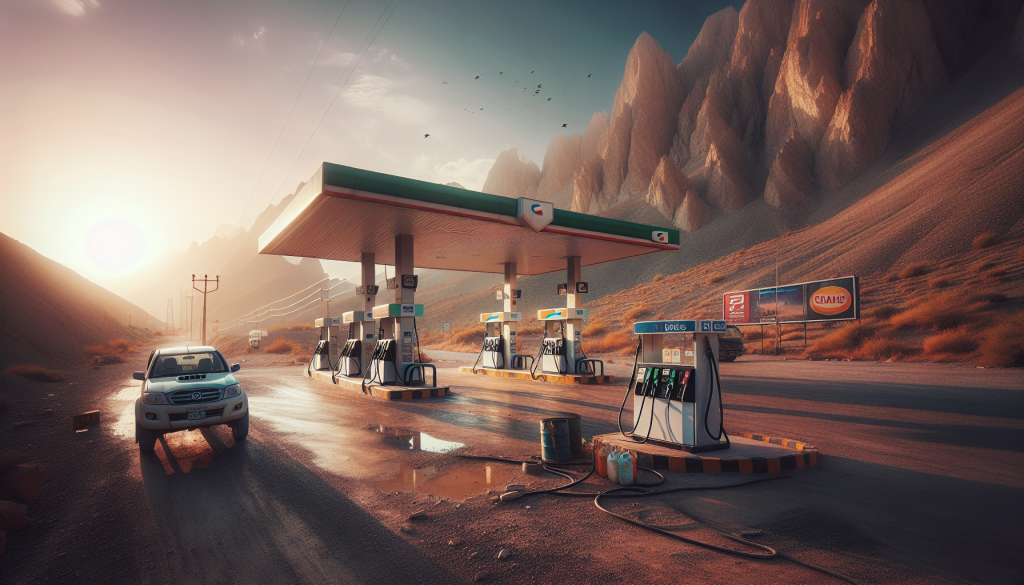
The Balochistan government has officially set the price of Iranian petrol at Rs280 per litre throughout the province, issuing a stern warning against any attempts to charge consumers beyond this rate. This measure aims to prevent illegal profiteering and stabilize the volatile fuel market.
Following a recent increase in petroleum prices announced by the Federal Government, some sellers in Balochistan began charging between Rs300 and Rs360 per litre for Iranian petrol. The provincial authorities have intervened to protect consumers from such exploitation and ensure fair pricing.
Officials have made it clear that strict legal proceedings will be initiated against any dealers or vendors found selling fuel above the fixed price. Given Balochistan’s extensive border with Iran, a significant volume of comparatively cheaper Iranian petrol is transported into the province. This trade is a vital source of income for many local residents.
By imposing a fixed price, the government seeks to regulate this informal market and provide price stability for ordinary citizens. The move comes in the wake of Pakistan’s petrol prices reaching an unprecedented peak of Rs458.41 per litre on April 3, 2026, a surge that triggered widespread public discontent.
The federal price hike faced strong backlash, with citizens voicing frustration and traders threatening protests if the increase was not reversed. Human rights organizations also called on the government to reconsider the decision and offer relief to the public.
In response, Prime Minister Shehbaz Sharif announced a reduction in the petrol levy, lowering the price to Rs378 per litre, along with subsidies targeted at motorcycle riders, goods transporters, and passenger vehicle operators. Despite these measures, the price increase is expected to have broad economic repercussions, potentially driving up costs for food and construction materials.

Leave an opinion