

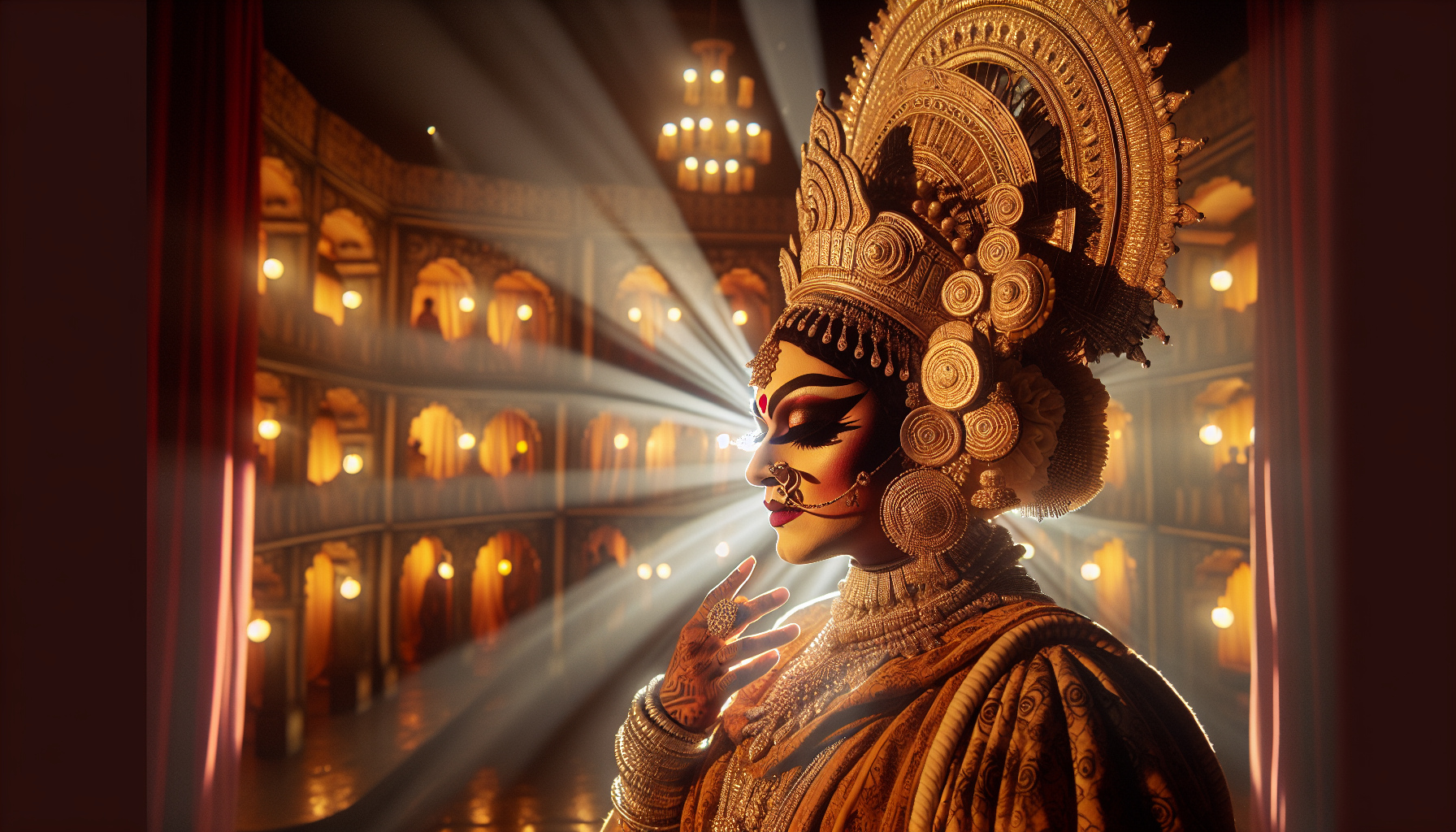
Chapal Bhaduri earned acclaim as Bengal’s foremost stage queen, a title that reflected his mastery in portraying female roles on stage. His career flourished during a time when women were largely absent from theatrical performances, making his contributions pivotal to the cultural landscape of Bengal theater. Bhaduri’s artistry not only captivated audiences but also preserved a unique tradition of male actors playing female characters, a practice rooted in historical constraints on women’s participation in the arts.
In a significant development, the arrival of women performers transformed the theater scene, gradually redirecting the spotlight away from male actors like Bhaduri who specialized in female roles. This shift marked a broader social change, reflecting evolving gender norms and increased opportunities for women in performing arts. Despite this transition, Bhaduri’s legacy remains influential, symbolizing an era of theatrical history that bridged traditional and modern practices in Bengal’s cultural expression.
Notably, Bhaduri’s story highlights the dynamic nature of performing arts and the impact of societal progress on artistic traditions. His journey underscores the challenges and triumphs faced by artists navigating changing cultural landscapes. Today, his contributions continue to inspire discussions on gender, performance, and the preservation of theatrical heritage in Bengal and beyond.
