



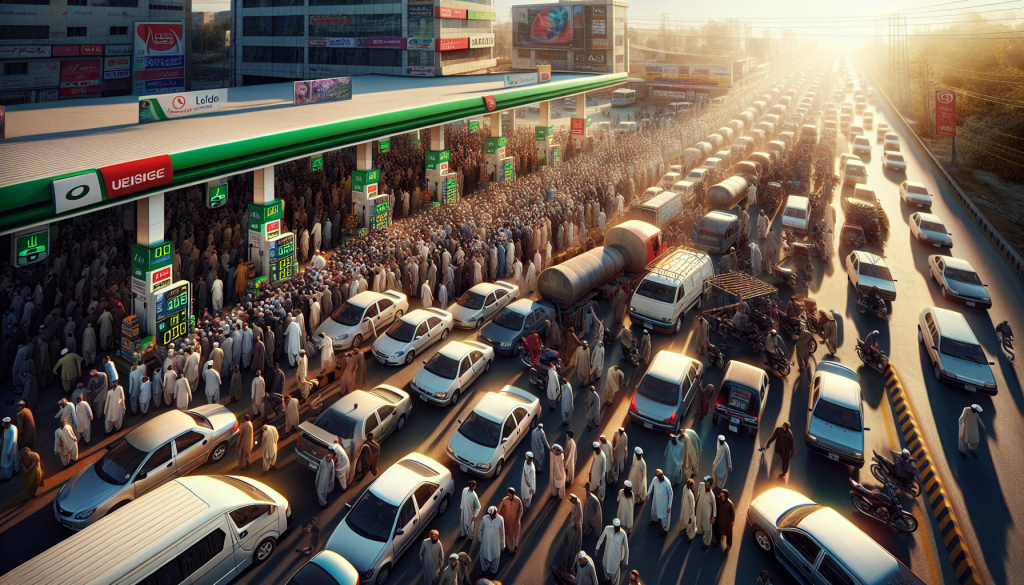
In a significant development on Saturday, former Prime Minister Shahid Khaqan Abbasi sharply criticized the government’s approach to managing the petroleum sector. He asserted that the administration’s policy on petroleum products has been largely reactive, driven by public outrage rather than strategic planning. Abbasi emphasized that despite the war having lasted over five weeks, the government has failed to stabilize the petrol supply and pricing situation within the country.
Abbasi pointed out that the government unjustifiably increased fuel prices at the onset of the conflict, a move that has exacerbated the economic strain on the public. He argued that temporary relief measures such as free travel, subsidies, and cheaper oil procured through borrowing are insufficient to address the underlying issues. Instead, he suggested that these stopgap solutions merely postpone the resolution of the crisis.
Highlighting Pakistan’s energy infrastructure, Abbasi noted that the country possesses some of the world’s most affordable LNG terminals. He argued that allowing the private sector to import LNG could significantly reduce gas prices for consumers. Furthermore, he criticized the government’s taxation policies, pointing out the disparity where ordinary motorcyclists are burdened with a monthly fuel tax of Rs 3,000, while assembly members and business entities evade similar contributions.
Abbasi also condemned the government’s internal workings, stating that while cabinet members receive double salaries, their performance remains inadequate. He warned against deceiving the public under the guise of austerity measures, urging the government to adopt more effective and transparent policies to manage the petroleum crisis and alleviate the economic hardships faced by the population.

Leave an opinion