

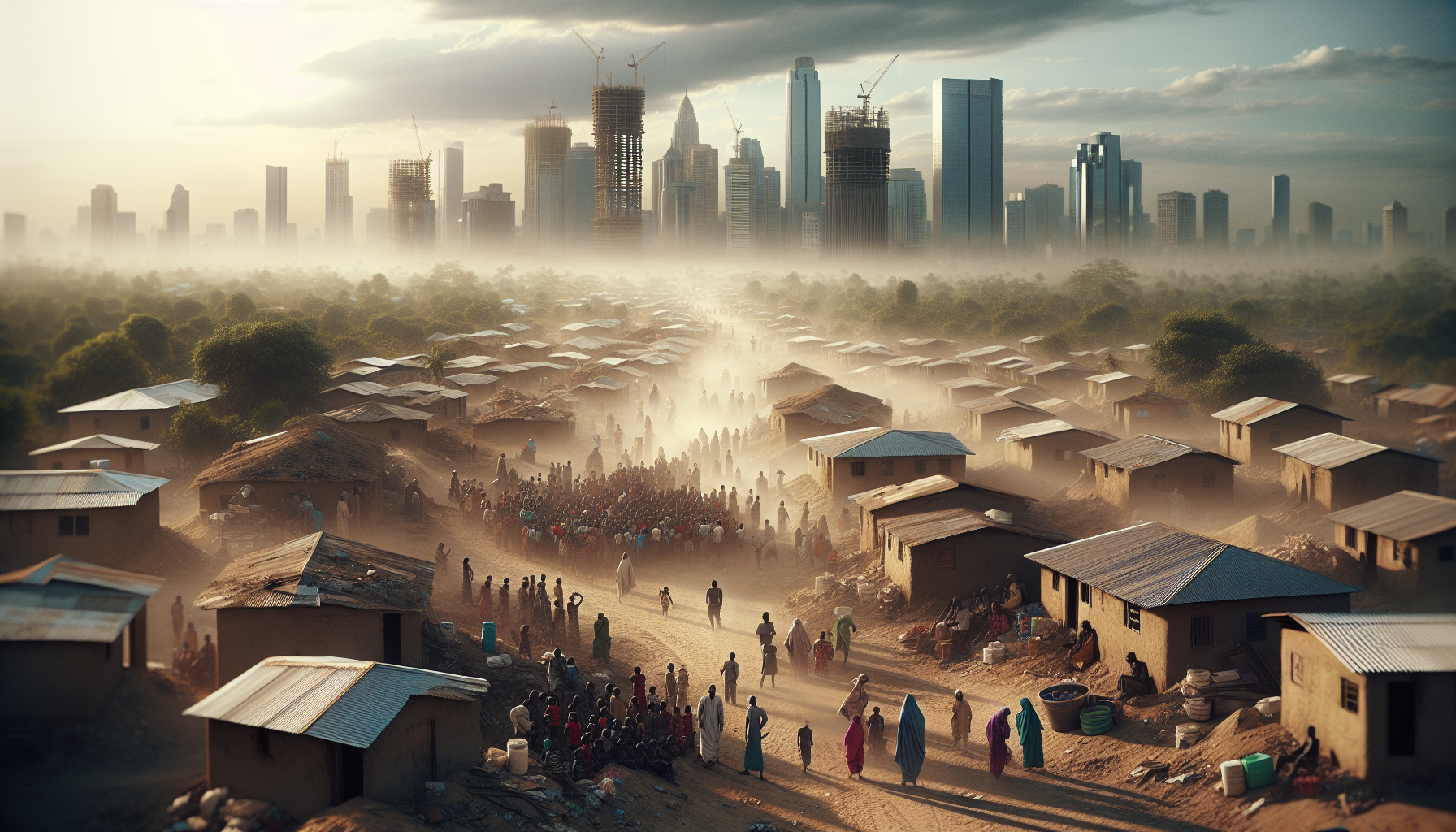
In a significant development, individuals displaced during the construction of Nigeria’s new capital have voiced strong dissatisfaction with the government. These residents, who were relocated to facilitate the building of the capital city, assert that the authorities have not fulfilled the assurances made to them regarding compensation and resettlement. The uprooting of communities for urban development projects often leads to social and economic challenges, and this case highlights the ongoing struggles faced by displaced populations.
Historically, the creation of Nigeria’s capital involved relocating thousands of people from their ancestral lands, a process that was supposed to be accompanied by adequate support and rehabilitation. However, many of those affected feel marginalized and neglected, claiming that promises of fair treatment and opportunities have not materialized. This situation underscores the broader issue of balancing national development goals with the rights and welfare of local communities.
Meanwhile, the displaced groups are calling for a meaningful dialogue with the government to ensure their voices are heard and their grievances addressed. The controversy has drawn attention to the need for transparent and inclusive policies in urban planning and development projects. The outcome of this dispute could set important precedents for how future infrastructure initiatives manage the delicate relationship between progress and human rights.
