

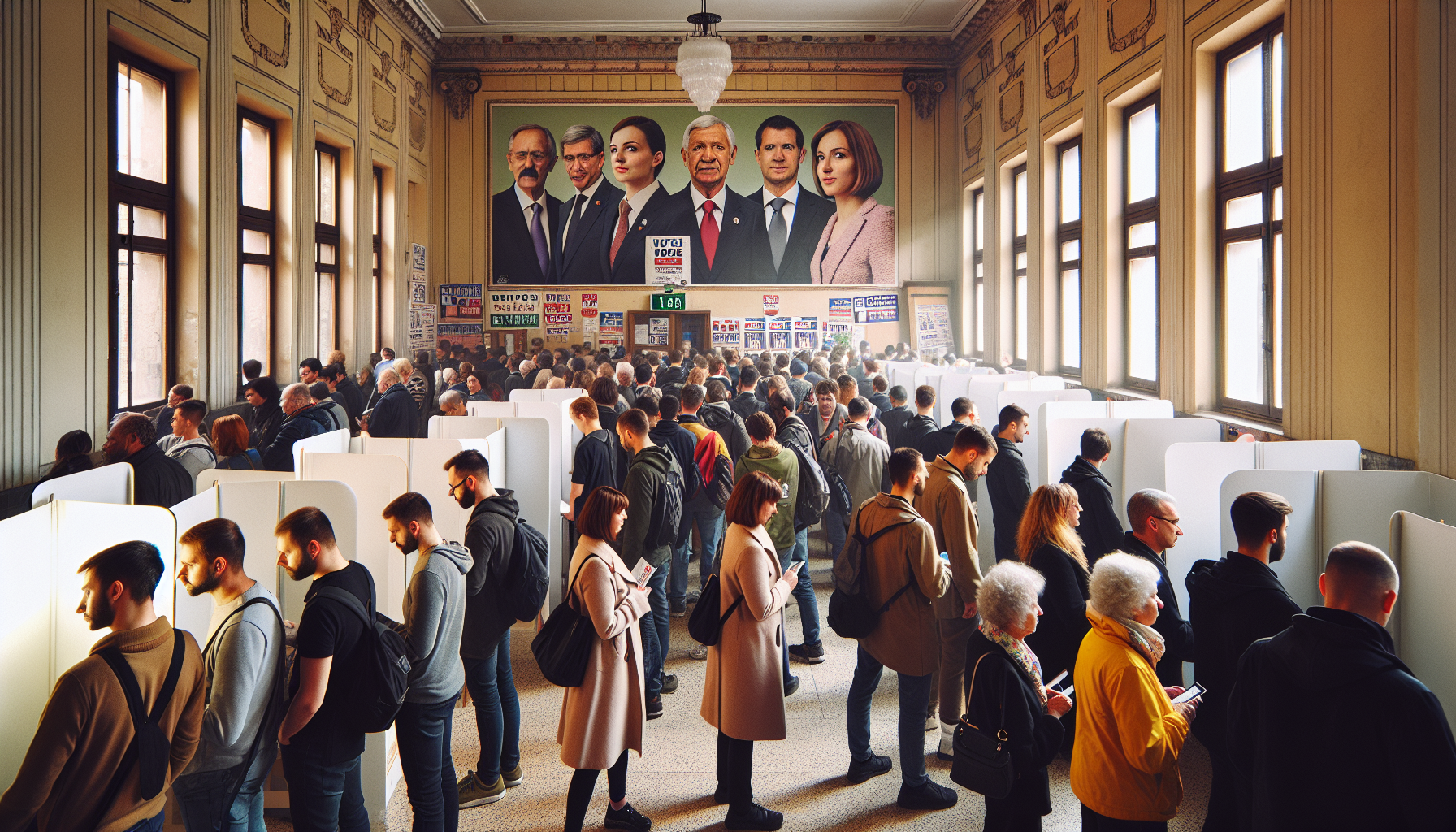
Hungary is set to hold national elections in just nine days, marking a critical moment in the country’s political landscape. Viktor Orban, who has dominated Hungarian politics for 16 years, faces a significant challenge as opposition parties unite to try and end his long-standing rule. Orban’s tenure has been characterized by controversial policies and a shift towards nationalist governance, which has sparked both domestic and international debate.
In a significant development, the upcoming election is seen as a referendum on Orban’s leadership style and his government’s approach to democracy, media freedom, and relations with the European Union. Opposition groups have consolidated their efforts, aiming to present a united front to increase their chances of unseating the incumbent prime minister. This election could reshape Hungary’s future direction and its role within the broader European context.
Meanwhile, the political atmosphere in Hungary remains tense as campaigns intensify and voters prepare to cast their ballots. The outcome will not only determine the country’s leadership but also signal the public’s stance on issues such as rule of law, economic policies, and Hungary’s place on the international stage. Observers worldwide are closely watching this election, recognizing its potential impact on regional stability and democratic norms.
