

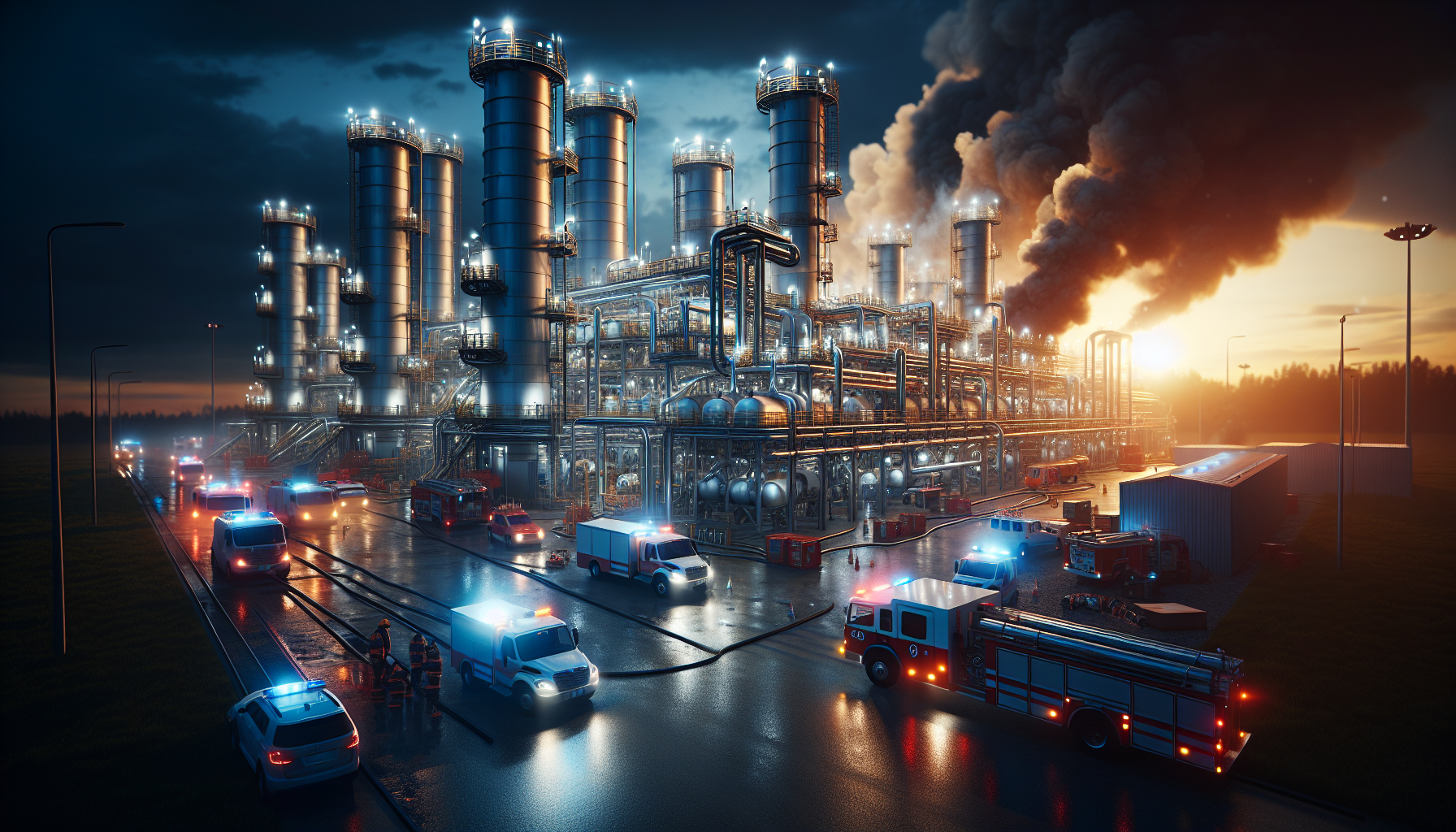
In a significant development, the United Arab Emirates’ largest gas processing plant, Habshan, experienced a deadly incident after its air defence systems intercepted an attack. The interception triggered fires that caused substantial damage to the facility, highlighting the vulnerability of critical energy infrastructure in the region. At least one fatality has been confirmed, underscoring the human cost of such security breaches. The Habshan complex plays a crucial role in the UAE’s energy sector, making the attack a matter of national concern.
Habshan is a key component of the UAE’s gas production and processing network, supplying energy domestically and for export. The damage inflicted by the fires could disrupt gas supplies and impact the broader energy market, given the facility’s strategic importance. This incident also raises questions about regional security dynamics and the effectiveness of air defence measures in protecting vital assets. The UAE has been increasingly targeted in recent years amid geopolitical tensions, making this event part of a larger pattern of threats to Gulf energy infrastructure.
Meanwhile, emergency response teams have been working to contain the fires and assess the full extent of the damage. The government is likely to review and possibly enhance its security protocols to prevent future attacks. The incident may also prompt international attention on the stability of energy supplies from the Gulf region, which is critical to global markets. Overall, the attack on Habshan underscores the ongoing risks faced by energy facilities in politically sensitive areas and the need for robust protective measures.
