

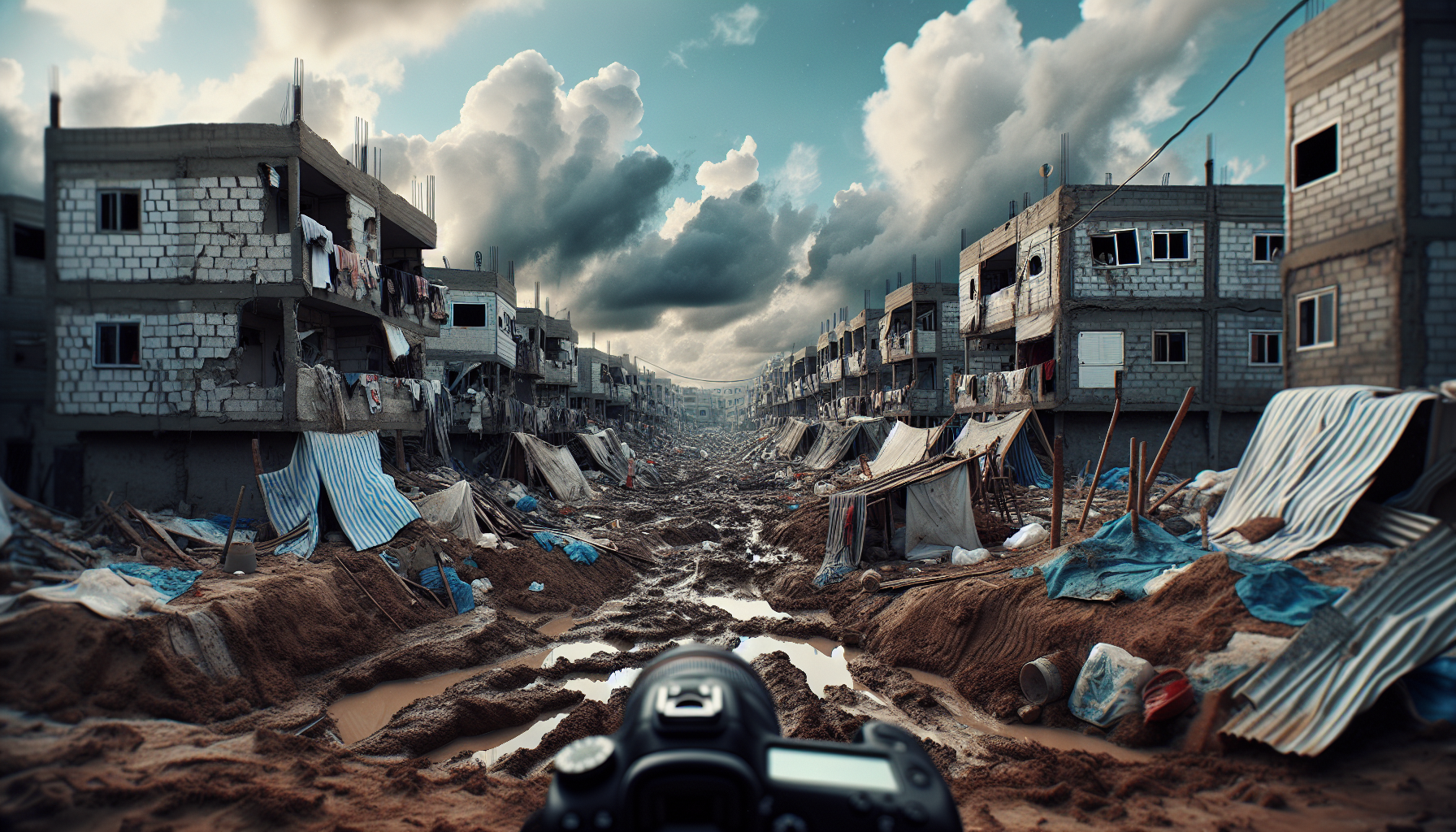
In Gaza, the process of restoring homes has shifted from full reconstruction to partial rehabilitation, reflecting the severe challenges faced by residents in the aftermath of conflict. Many families are currently living in makeshift accommodations, relying on temporary housing solutions as they await more permanent repairs. The destruction of infrastructure and limited resources have made comprehensive rebuilding efforts difficult to implement swiftly.
Meanwhile, the reliance on partial rehabilitation highlights the broader humanitarian crisis in the region, where access to building materials and skilled labor remains constrained. This approach aims to provide immediate relief by making damaged homes livable again, even if they fall short of full restoration. The situation underscores the ongoing struggles of Gaza’s population to regain normalcy amid persistent instability.
Notably, the shift to temporary housing solutions has significant implications for the social and economic recovery of Gaza. Families living in precarious conditions face increased vulnerability, impacting health, education, and employment opportunities. The partial rehabilitation strategy, while necessary under current circumstances, points to the urgent need for sustained international support and long-term planning to rebuild Gaza’s housing infrastructure comprehensively.
