



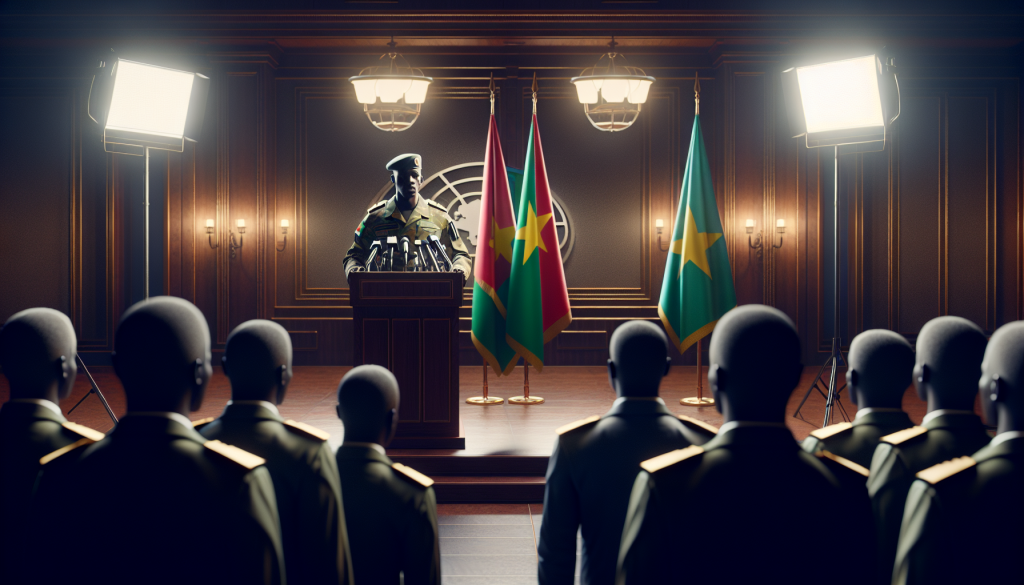
In a significant development, Burkina Faso’s military leader, Captain Ibrahim Traore, has dismissed earlier commitments to restore democratic governance by holding elections. Since seizing power, Traore has taken a hardline stance by abolishing all political parties, effectively dismantling the country’s multiparty political system. This move marks a sharp departure from the promises made during the coup that brought him to power, raising concerns about the future of democracy in the West African nation.
Burkina Faso has faced ongoing instability, with multiple coups in recent years reflecting deep-rooted political and security challenges. Traore’s decision to scrap political parties comes amid a backdrop of escalating violence from jihadist insurgencies and public dissatisfaction with previous civilian governments. The military’s consolidation of power signals a shift towards authoritarian rule, undermining efforts to establish civilian-led governance and democratic institutions.
The impact of Traore’s actions extends beyond Burkina Faso’s borders, as the country plays a strategic role in regional security and counterterrorism efforts in the Sahel. International observers and regional bodies have expressed alarm over the erosion of democratic norms, fearing it could exacerbate instability in a fragile region. The suspension of political pluralism under Traore’s regime complicates prospects for peaceful political transition and may hinder international support and cooperation.

Leave an opinion