



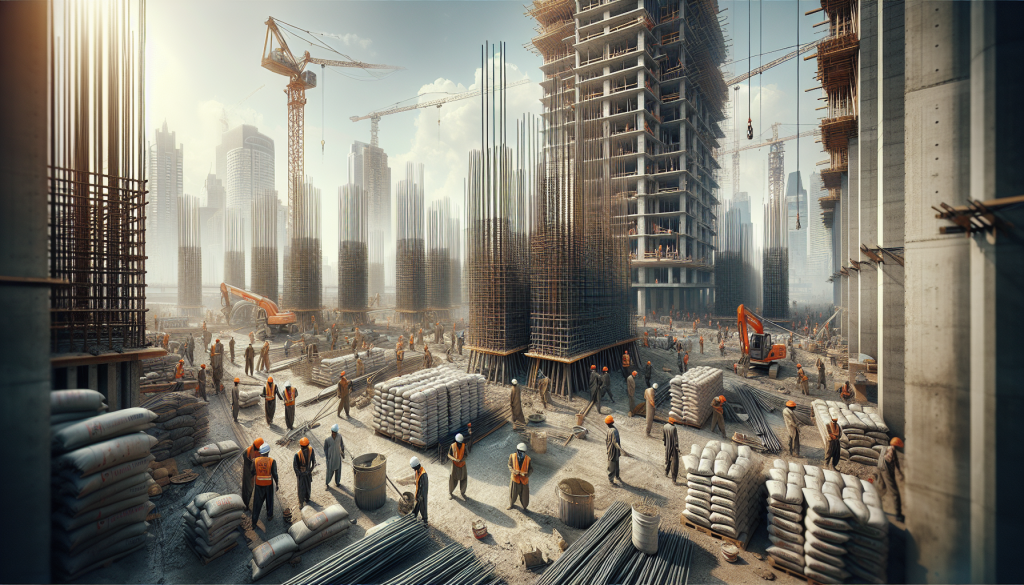
Rising geopolitical tensions in the Middle East, particularly involving Iran, Israel, and the United States, are beginning to affect Pakistan’s economy, triggering significant price hikes in essential construction materials such as cement, steel, and bricks. This follows earlier increases in fuel and gas costs, with the ripple effects now impacting other sectors.
During March 2026, the prices of cement, bricks, and steel have surged sharply, intensifying financial pressure on both households and the construction industry. Middle-income families are finding it increasingly difficult to afford building new homes, while contractors face escalating project expenses.
Steel prices have reached unprecedented levels nationwide. The rates for various steel brands per kilogram and per metric ton are as follows:
Steel Rates:
Five Star Steel: Rs 253/kg, Rs 253,000/metric ton
Amreli Steels: Rs 257/kg, Rs 257,000/metric ton
Mughal Steel: Rs 261/kg, Rs 261,000/metric ton
Agha Steel: Rs 259/kg, Rs 259,000/metric ton
AF Steel: Rs 251/kg, Rs 251,000/metric ton
Moiz Steel: Rs 252/kg, Rs 252,000/metric ton
Union Steel: Rs 249/kg, Rs 249,000/metric ton
Naveena Steel: Rs 250/kg, Rs 250,000/metric ton
For 40 Grade Steel, the prices are slightly higher:
40 Grade Steel Rates:
Five Star Steel: Rs 255/kg, Rs 255,000/metric ton
Amreli Steels: Rs 259/kg, Rs 259,000/metric ton
Mughal Steel: Rs 263/kg, Rs 263,000/metric ton
Agha Steel: Rs 261/kg, Rs 261,000/metric ton
AF Steel: Rs 253/kg, Rs 253,000/metric ton
Moiz Steel: Rs 254/kg, Rs 254,000/metric ton
Union Steel: Rs 251/kg, Rs 251,000/metric ton
Naveena Steel: Rs 252/kg, Rs 252,000/metric ton
Cement prices for a 50 kg bag vary across cities, reflecting regional disparities:
Karachi: Rs 1,400
Hyderabad: Rs 1,498
Sukkur: Rs 1,550
Larkana: Rs 1,413
Quetta: Rs 1,470
Khuzdar: Rs 1,600
Experts caution that if these upward trends persist, construction budgets nationwide will face further strain, impacting both large infrastructure projects and everyday residential building activities.

Leave an opinion