

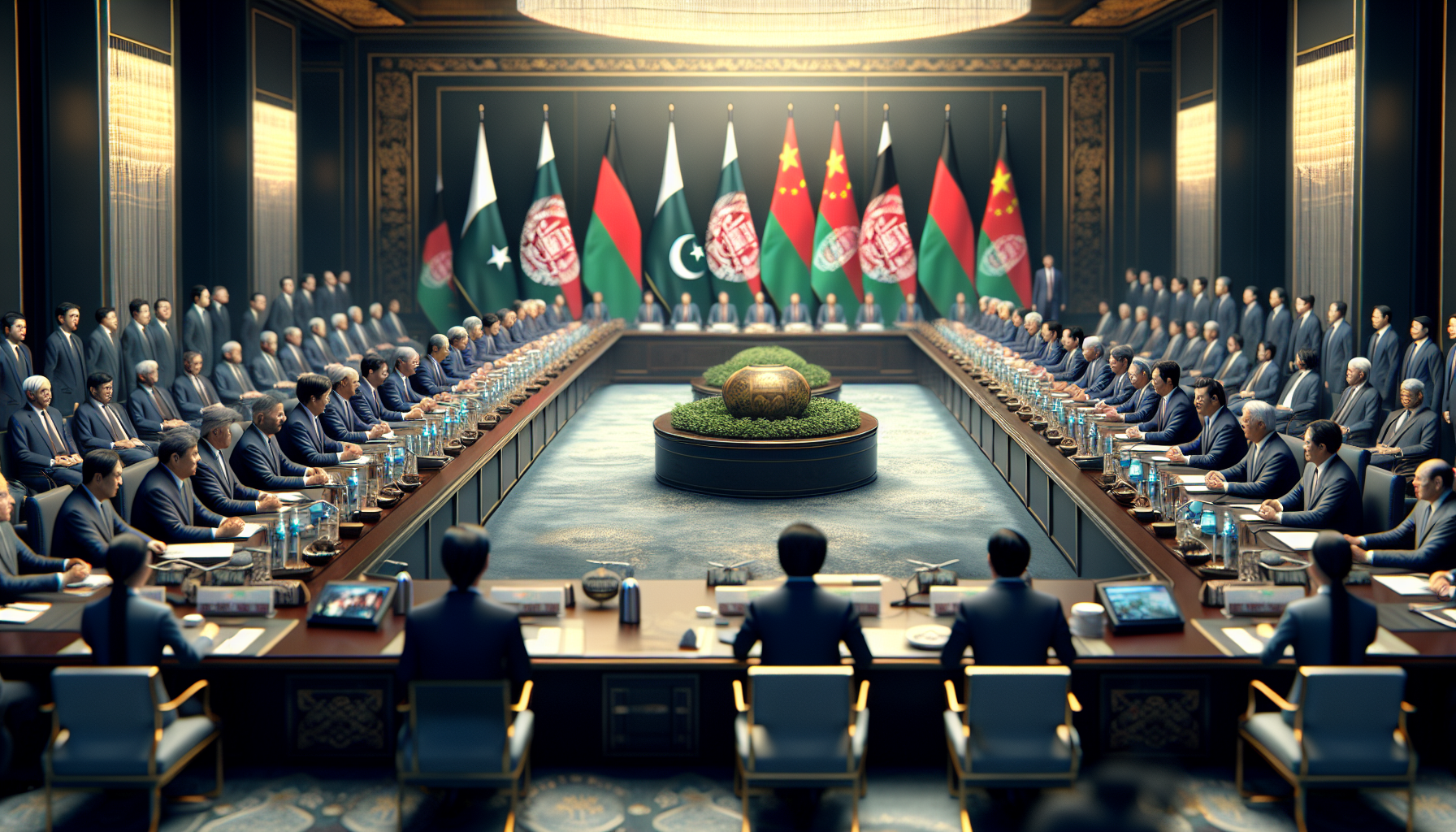
Pakistan and Afghanistan have convened talks in China as part of ongoing efforts to resolve months of conflict between the two neighboring countries. These discussions mark a significant attempt to mend relations that have deteriorated despite their historical alliance. The talks are being facilitated by China, which has taken on the role of mediator to encourage a peaceful settlement. This diplomatic initiative reflects China’s growing influence in regional security and its interest in stabilizing South Asia.
In a significant development, China’s mediation comes amid heightened tensions and clashes that have strained Pakistan-Afghanistan relations. The conflict has disrupted trade, security cooperation, and cross-border movement, impacting millions of people on both sides. By hosting these negotiations, China aims to foster dialogue and reduce hostilities, potentially paving the way for renewed collaboration. The talks also underscore the complex geopolitical dynamics involving regional powers seeking to assert their influence.
Meanwhile, the outcome of these discussions could have far-reaching implications for regional stability and counterterrorism efforts. A successful agreement may enhance security cooperation and economic ties, benefiting both nations and their neighbors. Conversely, failure to reach consensus could prolong instability and complicate international efforts to address security challenges in the region. The international community is closely watching these talks as a potential turning point in South Asian diplomacy.
