

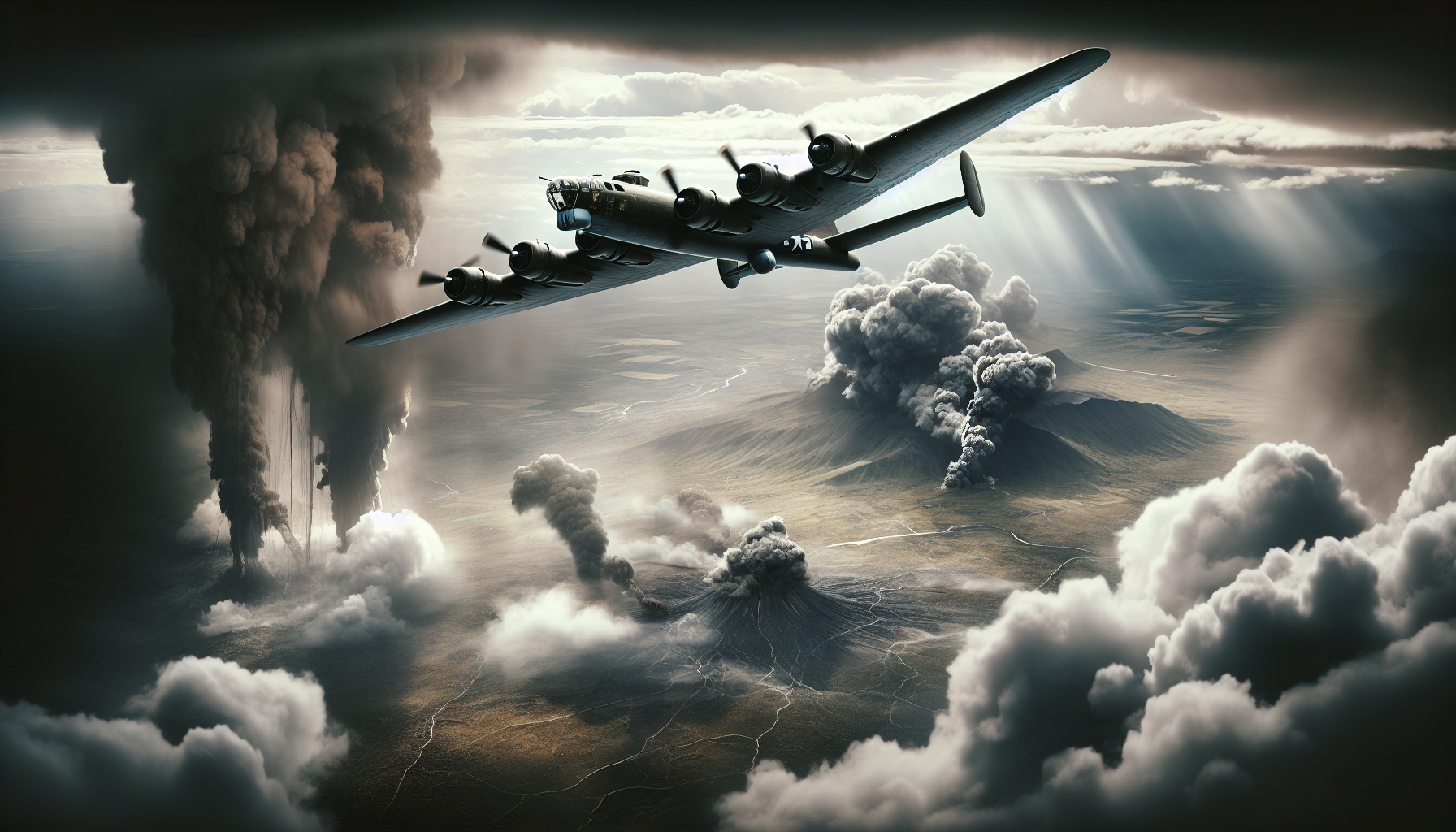
The United States has a long and contentious history with the use of carpet bombing, a military strategy involving widespread aerial bombardment intended to destroy large areas. Analysts argue that such tactics often violate international law and can be classified as war crimes due to their indiscriminate nature and devastating impact on civilian populations. This method was notably employed during conflicts such as World War II, the Korean War, and the Vietnam War, leaving lasting scars on affected regions.
In a significant development, experts stress that the use of carpet bombing by the US is not a recent phenomenon but part of a broader pattern of military aggression that has drawn global criticism. The tactic’s destructive consequences have sparked debates about the ethical limits of warfare and the responsibility of powerful nations to adhere to international humanitarian standards. Meanwhile, the legacy of these bombings continues to influence diplomatic relations and perceptions of US military interventions worldwide.
Notably, the discussion around carpet bombing underscores the ongoing challenges in balancing military objectives with human rights protections. The historical precedent set by the US serves as a cautionary tale about the potential for excessive force and the importance of accountability in armed conflict. As the international community grapples with these issues, the US’s past actions remain a critical reference point in debates over the legality and morality of modern warfare tactics.
