

Close Menu
Global Hub News
    What's Hot

    Scientists Develop Strategies to Prevent Catastrophic Asteroid Impact on Earth

    August 4, 2026

    Scientists Innovate Technique to Convert Plastic Waste into Hydrogen Fuel

    August 4, 2026

    Bomb Disposal in Le Porge After WWII Shells Unearthed by Wildfires

    August 4, 2026
    Facebook X (Twitter) Instagram Threads
    Trending
    • Scientists Develop Strategies to Prevent Catastrophic Asteroid Impact on Earth
    • Scientists Innovate Technique to Convert Plastic Waste into Hydrogen Fuel
    • Bomb Disposal in Le Porge After WWII Shells Unearthed by Wildfires
    • Government Announces Reduction in Petrol and Diesel Prices Nationwide
    • Trump Urges Oil Firms to Cut Gas Prices, Criticizes Chevron CEO
    • Egypt Introduces QR Code System for Tourist Visas to Boost Travel
    • CCTV Footage Provides Key Breakthrough in Mir Raza Ali Investigation
    • Israel’s Supreme Court Reviews Challenge to UNRWA Ban Legislation
    Facebook X (Twitter) Instagram
    Global Hub NewsGlobal Hub News
    Subscribe
    Tuesday, August 4
    • Home
    • World
    • Pakistan
    • Politics
    • Sports
    • Technology
    • Health
    • Entertainment
    • Business
    • Tax Calculator
    Global Hub News
    Home » IEA, IMF, World Bank Unite to Tackle Middle East War’s Economic Impact
    Business

    IEA, IMF, World Bank Unite to Tackle Middle East War’s Economic Impact

    Web DeskBy Web DeskApril 2, 2026No Comments2 Mins Read
    Share
    Facebook Twitter LinkedIn Pinterest Email

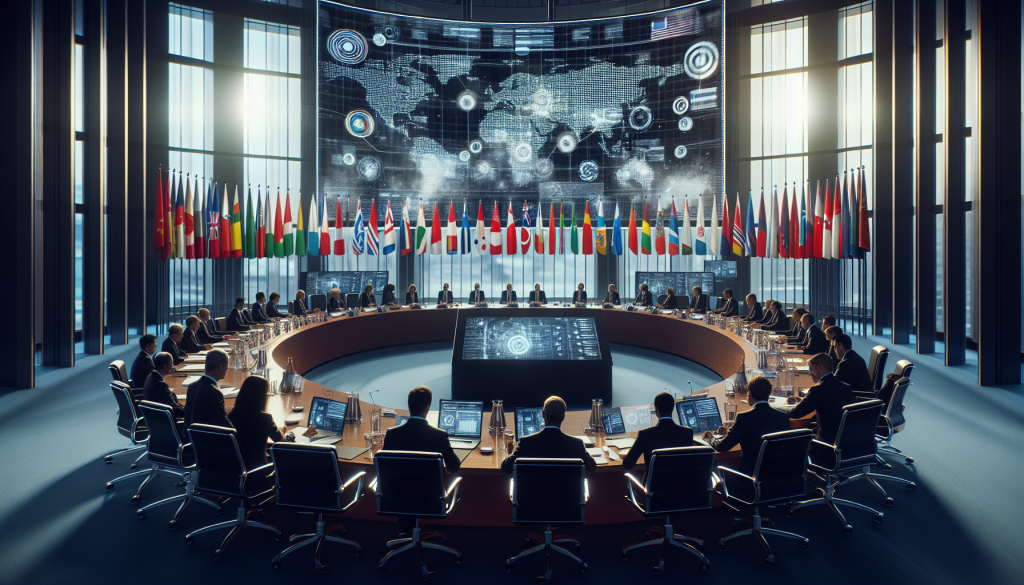
    The heads of the International Energy Agency (IEA), International Monetary Fund (IMF), and World Bank announced on Wednesday the creation of a coordination group aimed at enhancing their collective response to the profound economic and energy challenges stemming from the ongoing war in the Middle East.

    In a joint declaration, the three institutions highlighted that the conflict has led to significant disruptions in the region, resulting in one of the most severe supply shortages in the history of the global energy market. They emphasized that during such periods of heightened uncertainty, it is crucial for their organizations to collaborate closely by monitoring developments, aligning their analyses, and coordinating support for policymakers navigating this crisis.

    The newly established coordination group will evaluate the extent of the war’s impact across various countries, devise a unified response strategy, and mobilize relevant stakeholders to provide assistance to nations in need. This response could encompass targeted policy recommendations, evaluations of potential financing requirements, and the provision of financial aid, including low or zero-interest loans, alongside unspecified risk mitigation measures.

    The conflict, which erupted on February 28 when the U.S. and Israel launched strikes against Iran, has since escalated with Iranian retaliatory attacks on Israel, U.S. military bases, and Gulf states, while also opening a new front in Lebanon. Now entering its second month, the war has spread throughout the region, severely disrupting energy supplies and posing a significant threat to the stability of the global economy.

    The organizations noted that the war’s effects are substantial, global in scope, and unevenly distributed, disproportionately impacting energy-importing countries, especially those with low incomes. They pointed out that the conflict has already driven up prices for oil, gas, and fertilizers, while raising concerns about food costs and disrupting global supply chains for commodities such as helium, phosphate, and aluminum. Additionally, the tourism sector has suffered considerable setbacks.

    In a related development, NATO allies have pledged to significantly increase their defense budgets to 5% of GDP, a target previously considered unattainable. The resulting market volatility, currency depreciation in emerging economies, and inflationary pressures are increasing the likelihood of tighter monetary policies and slower economic growth.

    In conclusion, the IEA, IMF, and World Bank reaffirmed their commitment to working together to protect global economic and financial stability, enhance energy security, and support affected countries and populations on their journey toward sustainable recovery, growth, and job creation through necessary reforms.

    Share. Facebook Twitter Pinterest LinkedIn WhatsApp Reddit Tumblr Email
    Web Desk

    Related Posts

    Government Announces Reduction in Petrol and Diesel Prices Nationwide

    August 4, 2026

    US Flags Safety Concerns Over Older Ford Cars and SUVs

    August 3, 2026

    Tyson Foods Lowers Profit Outlook Amid Market Challenges

    August 3, 2026
    Leave A Reply Cancel Reply

    Latest Posts

    Scientists Develop Strategies to Prevent Catastrophic Asteroid Impact on Earth

    August 4, 2026

    Scientists Innovate Technique to Convert Plastic Waste into Hydrogen Fuel

    August 4, 2026

    Bomb Disposal in Le Porge After WWII Shells Unearthed by Wildfires

    August 4, 2026

    Government Announces Reduction in Petrol and Diesel Prices Nationwide

    August 4, 2026

    Trump Urges Oil Firms to Cut Gas Prices, Criticizes Chevron CEO

    August 4, 2026

    Egypt Introduces QR Code System for Tourist Visas to Boost Travel

    August 3, 2026
    Don't Miss

    Scientists Develop Strategies to Prevent Catastrophic Asteroid Impact on Earth

    By Web DeskAugust 4, 20260

    Researchers are devising methods to deflect or destroy a potential doomsday asteroid threatening Earth, aiming to avert global disaster.

    Scientists Innovate Technique to Convert Plastic Waste into Hydrogen Fuel

    August 4, 2026

    Bomb Disposal in Le Porge After WWII Shells Unearthed by Wildfires

    August 4, 2026

    Government Announces Reduction in Petrol and Diesel Prices Nationwide

    August 4, 2026
    Facebook X (Twitter) Instagram Pinterest
    • Home
    • Buy Now
    © 2026 NewsOra24

    Type above and press Enter to search. Press Esc to cancel.