

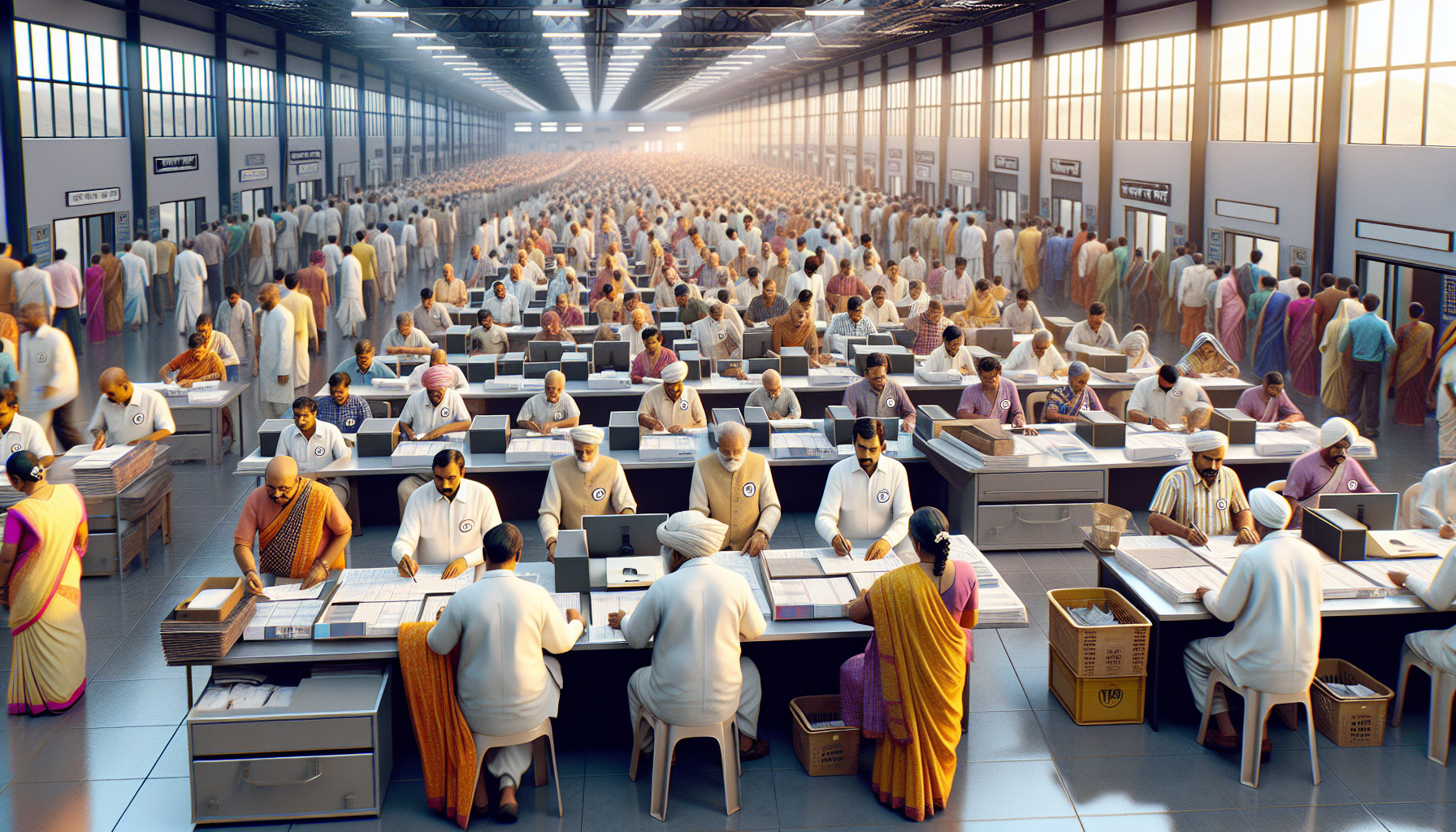
India has commenced its most extensive population census, delayed by five years due to various challenges. This census is notable for reintroducing caste enumeration, a practice not conducted in the last century. The inclusion of caste data aims to provide a detailed demographic profile, which could influence social policies and resource allocation. However, this move has ignited controversy, with critics concerned about potential social divisions and political implications.
The census is a critical exercise for India, the world’s second-most populous country, as it informs government planning, development programs, and electoral boundaries. The decision to count caste again marks a significant shift, reflecting ongoing debates about social justice and affirmative action policies. Historically, caste data was last collected in 1931, and its absence has left gaps in understanding the socio-economic status of various communities.
Meanwhile, the census results are expected to impact political dynamics, especially in states where caste-based voting plays a crucial role. The data could also affect the distribution of government benefits and reservations in education and employment. As India navigates this complex process, the census stands as a pivotal moment in balancing demographic realities with social harmony and policy-making.
