

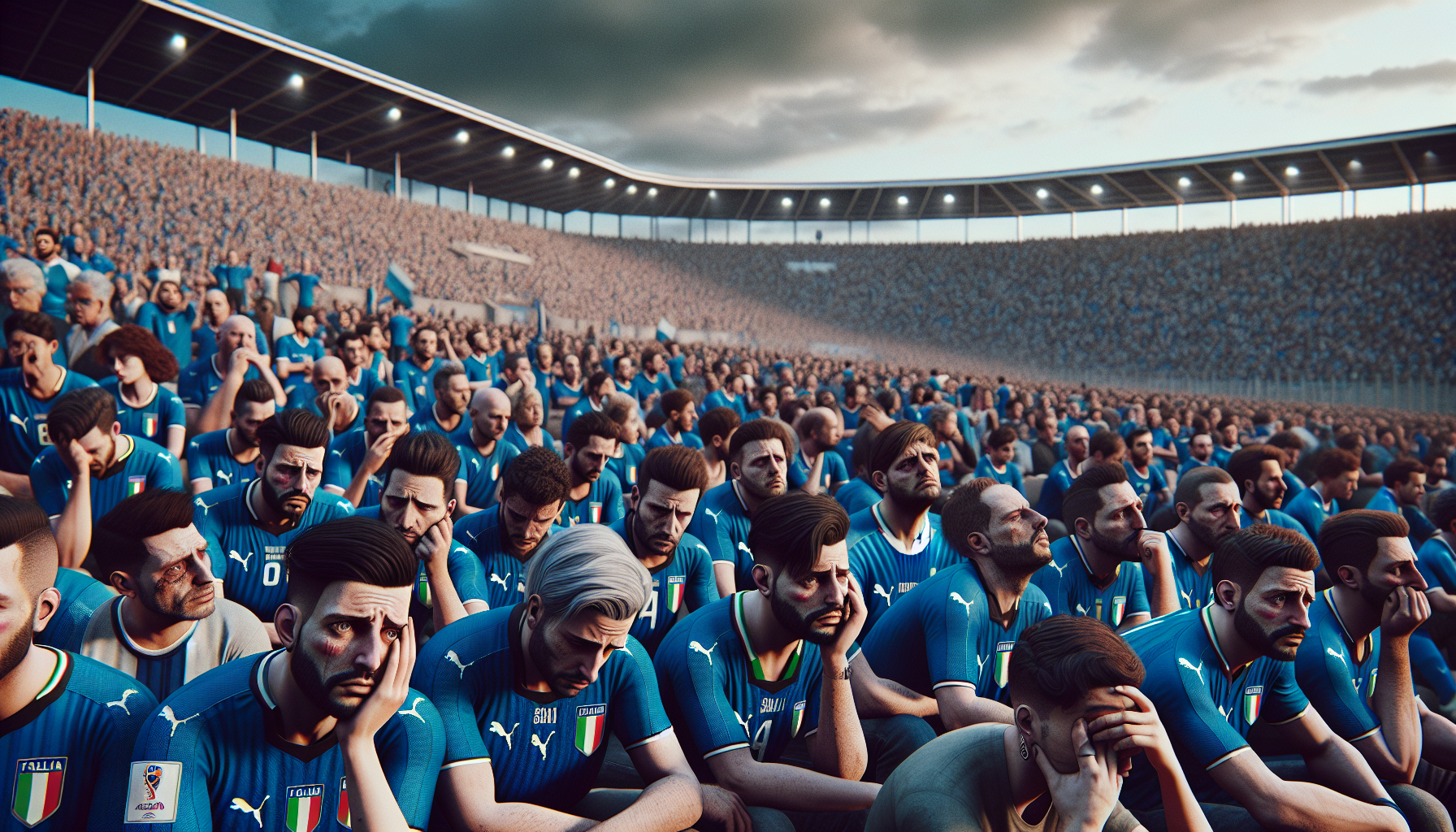
Italy’s national football team has failed to qualify for the FIFA World Cup for the third consecutive time, a development that has sent shockwaves through the country’s passionate football community. This unprecedented streak marks a significant decline for a nation historically renowned for its footballing prowess and multiple World Cup victories. Fans and management are now deeply engaged in analyzing the root causes behind this ongoing failure, which has sparked widespread disappointment and calls for reform within the Italian football federation.
Historically, Italy has been one of the most successful teams in international football, boasting four World Cup titles and a reputation for tactical discipline and defensive strength. The current crisis, however, reflects broader challenges including player development, coaching strategies, and administrative decisions. The absence from the world’s premier football tournament not only impacts national pride but also has economic implications for the sport’s ecosystem in Italy, from sponsorships to youth engagement.
In a significant development, this failure has prompted urgent discussions among football authorities and experts about restructuring the national team’s approach to regain competitiveness on the global stage. Meanwhile, fans remain devastated, grappling with the reality of missing out on the global spectacle yet again. The situation underscores the need for a comprehensive review and strategic overhaul if Italy hopes to reclaim its position among football’s elite in future tournaments.
