

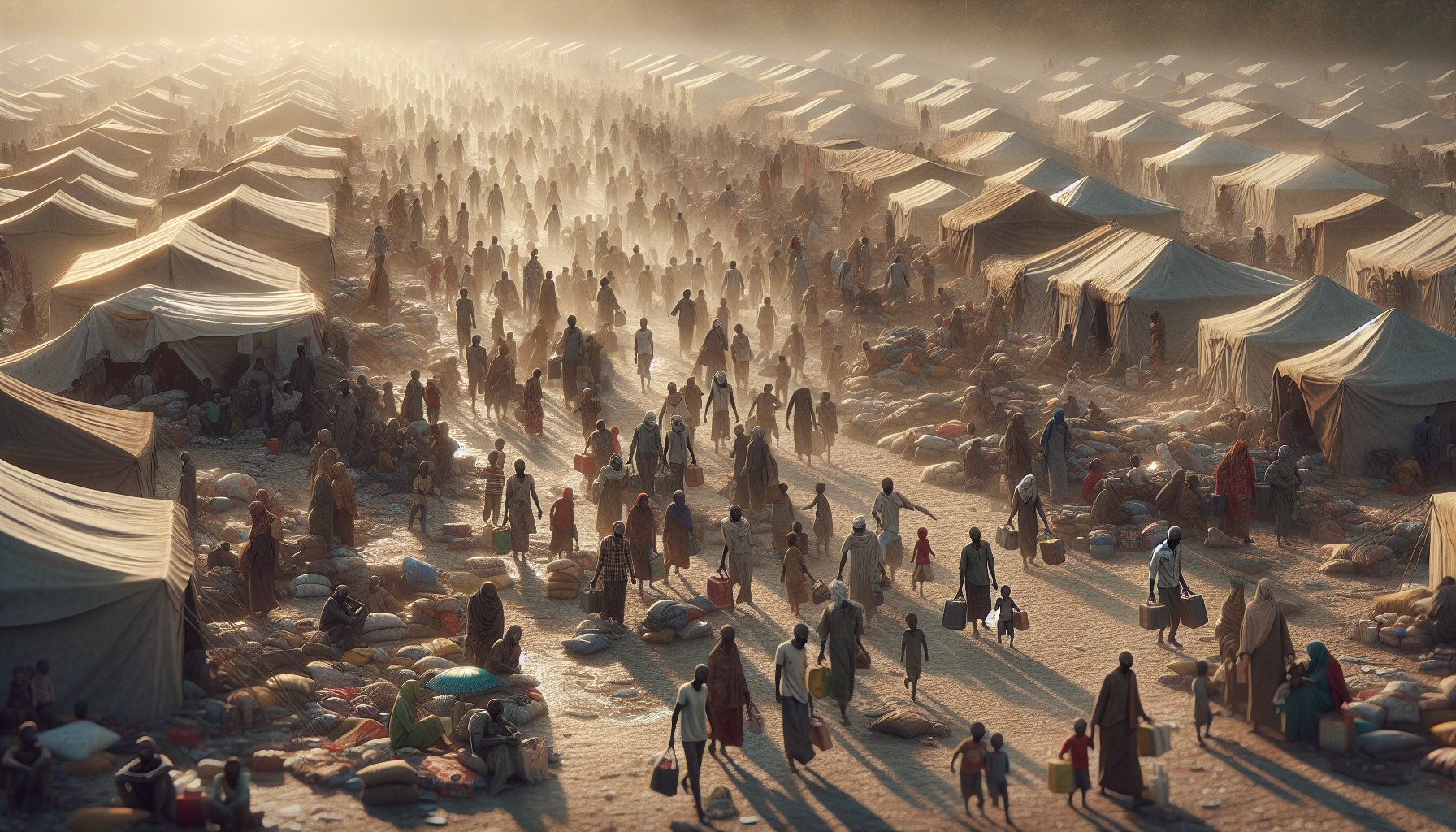
Lebanon is currently grappling with a rapidly worsening displacement crisis as more than one million individuals have been forced to flee their homes due to escalating Israeli military actions. This mass movement of people highlights the severe humanitarian consequences of the ongoing conflict in the region. The United Nations has expressed deep concern over what it describes as a cycle of ‘coercive displacement,’ where civilians are compelled to leave their residences under duress. Such large-scale displacement places immense strain on Lebanon’s already fragile infrastructure and social services.
Historically, Lebanon has been a host to displaced populations, including refugees from previous conflicts in the Middle East. The current wave of displacement exacerbates the country’s longstanding challenges related to political instability, economic hardship, and limited resources. The influx of displaced persons into safer areas within Lebanon or across borders raises critical questions about regional stability and the capacity of humanitarian organizations to provide adequate support. Meanwhile, the international community faces mounting pressure to respond effectively to the unfolding crisis.
In a significant development, the displacement crisis underscores the broader geopolitical tensions between Lebanon and Israel, with civilian populations bearing the brunt of military confrontations. The situation demands urgent attention to protect vulnerable communities and to seek diplomatic solutions that can prevent further escalation. The ongoing displacement not only disrupts lives but also threatens to deepen sectarian divides and hinder prospects for peace in the region. Coordinated efforts are essential to address both immediate humanitarian needs and long-term stability.
