

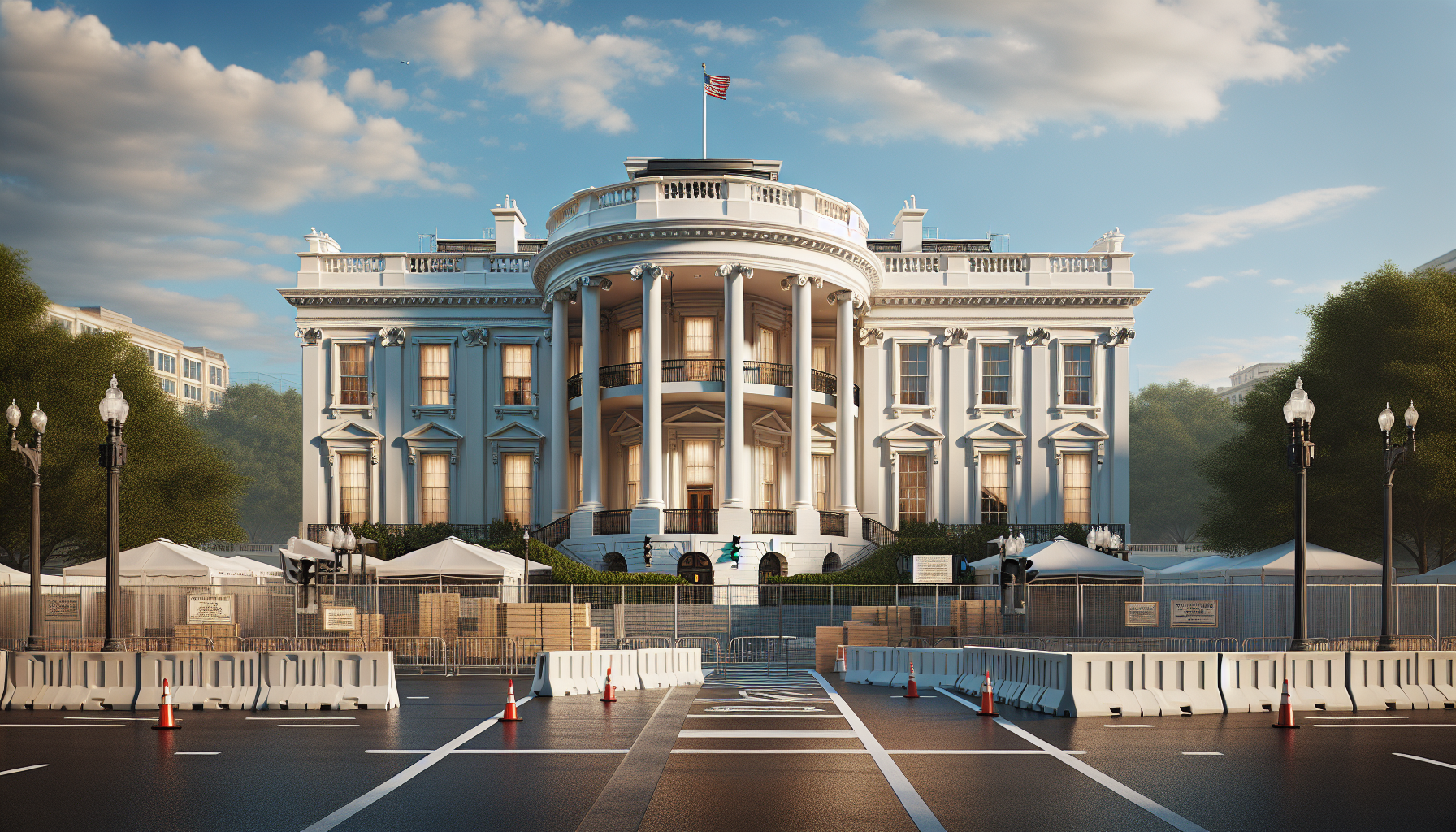
In a significant development, a judge appointed by the Republican party has issued a temporary injunction halting the construction of a ballroom at the White House proposed by former President Donald Trump. The ruling emphasized that while Trump acted as the steward of the White House during his tenure, he does not hold ownership rights over the property. This distinction played a crucial role in the court’s decision to pause the project.
The White House, as the official residence and workplace of the sitting U.S. president, is managed under strict federal regulations and oversight. The judge’s ruling highlights the legal boundaries that former presidents face regarding modifications to the property, reinforcing that stewardship does not equate to personal ownership or the authority to make permanent structural changes. This case underscores the complex legal framework governing the use of national landmarks.
Meanwhile, the temporary halt on the ballroom construction has broader implications for how presidential legacies and properties are managed after a president leaves office. It raises questions about the limits of influence former presidents can exert on federal properties and sets a precedent for future cases involving alterations to government-owned buildings. The decision is likely to prompt further legal scrutiny and debate over the stewardship versus ownership rights of former presidents.
