



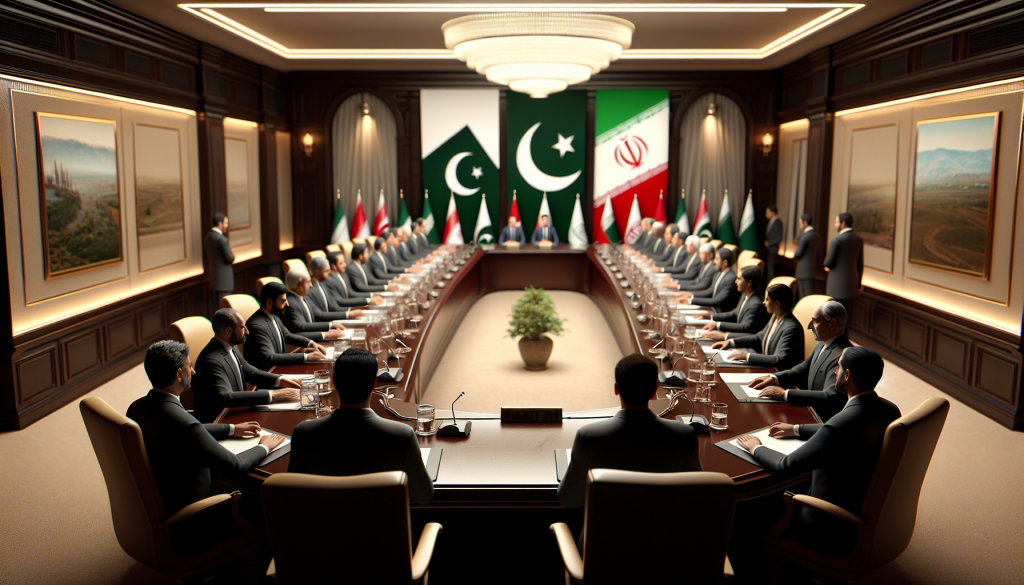
Pakistan has unexpectedly positioned itself as a key intermediary in the ongoing Iran conflict, a development that caught many observers off guard. This diplomatic role underscores Pakistan’s growing influence in regional geopolitics, particularly given its historical ties with both Iran and the United States. The country’s ability to navigate complex relationships has allowed it to act as a bridge between conflicting parties, fostering dialogue where few others have succeeded.
In a significant development, former US President Donald Trump endorsed Pakistan’s mediation efforts, lending considerable weight to its diplomatic initiatives. Trump’s support reflects a strategic recognition of Pakistan’s unique position and its potential to contribute to de-escalation in the volatile Middle East region. This backing also signals a shift in US foreign policy approaches, where unconventional partners are being leveraged to address longstanding conflicts.
Pakistan’s mediation in the Iran war not only enhances its international standing but also demonstrates the importance of regional actors in global peace processes. The country’s involvement could pave the way for more inclusive negotiations and potentially reduce tensions that have broader implications for global security. Meanwhile, this development highlights the evolving dynamics of international diplomacy, where traditional power structures are increasingly complemented by regional stakeholders.

Leave an opinion