

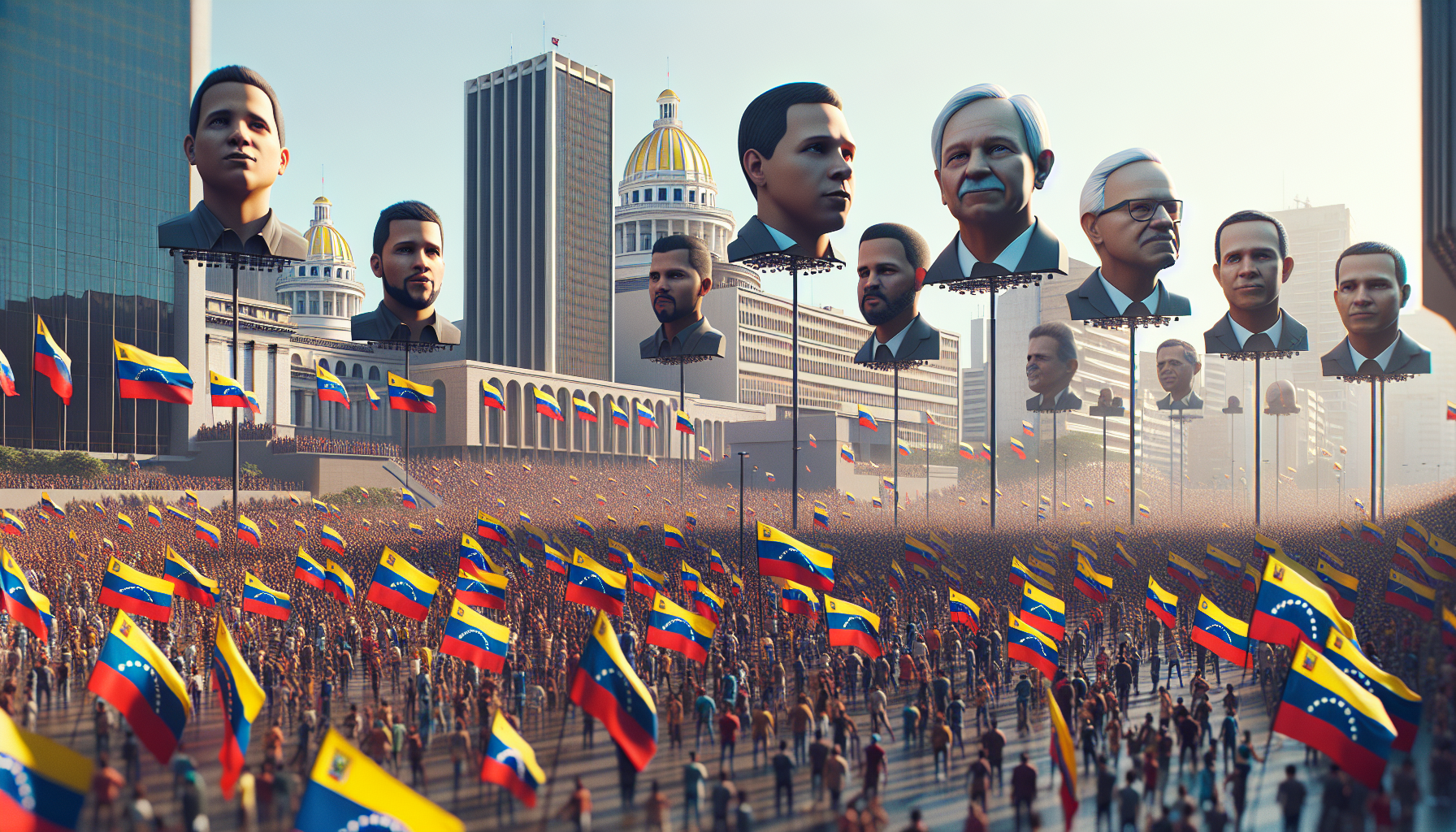
Venezuela’s Chavismo movement, originally established by Hugo Chavez as a force opposing US intervention, now confronts a pivotal moment in its history. Chavez’s ideology was deeply rooted in resisting what he described as imperialist interference, shaping Venezuela’s domestic and foreign policies for over two decades. This movement galvanized a significant portion of the Venezuelan population, promoting social programs and asserting national sovereignty against external pressures. However, the recent warming of diplomatic ties between the US and Venezuela has introduced new complexities for Chavismo’s identity and strategy.
In a significant development, the evolving US-Venezuela relationship challenges the traditional narrative that has long defined Chavismo. Supporters of the movement are now navigating a landscape where old adversarial postures are being reconsidered in favor of potential cooperation or at least détente. This shift raises questions about how the movement will maintain its ideological coherence while adapting to geopolitical realities. Analysts note that this could lead to internal debates within Chavismo about the future direction of Venezuela’s political and economic policies.
Meanwhile, the broader implications of this transition extend beyond Venezuela’s borders, affecting regional dynamics in Latin America. The Chavismo movement’s response to the US rapprochement may influence alliances and rivalries across the continent, particularly among countries with similar anti-imperialist stances. Furthermore, the movement’s adaptation could impact Venezuela’s domestic stability and its ability to address ongoing economic and social challenges. As the country stands at this crossroads, the legacy of Hugo Chavez continues to shape the discourse on sovereignty, resistance, and pragmatism in Venezuelan politics.
