

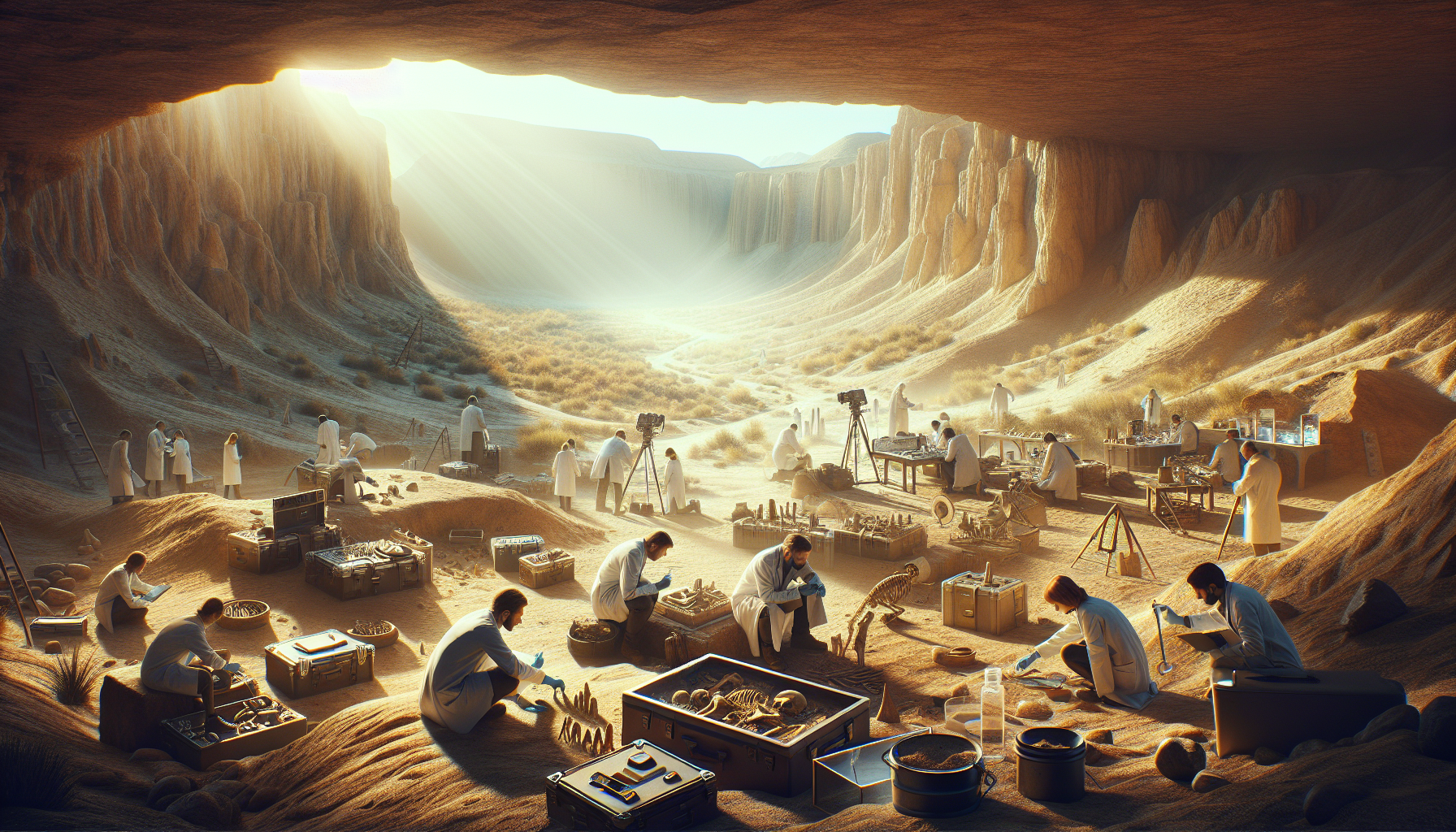
The timeline of human history has long been constructed from archaeological findings, fossil records, and cultural artifacts. However, recent debates among historians and scientists suggest that our understanding of the past may not be as precise as once believed. New discoveries and advanced dating technologies are challenging previously accepted chronologies, prompting a reexamination of when key events and developments occurred.
In a significant development, researchers emphasize the complexity of interpreting ancient evidence, noting that gaps and inconsistencies in the record can lead to misconceptions about human evolution and civilization progress. This scrutiny is crucial because historical timelines shape our perception of human identity and societal advancement. Meanwhile, interdisciplinary approaches combining genetics, geology, and anthropology are providing fresh insights that could redefine historical narratives.
The implications of revising human history timelines are profound, affecting education, cultural heritage, and scientific inquiry. Accurate historical frameworks are essential for understanding humanity’s origins and the factors that influenced migration, technology, and social structures. As investigations continue, the quest to uncover a more accurate timeline underscores the dynamic nature of historical knowledge and the ongoing pursuit of truth about our collective past.
