

Close Menu
Global Hub News
    What's Hot

    China Prohibits Storing Cremated Remains in Vacant Apartments

    March 31, 2026

    Sindh Govt to Survey Katcha Areas for Land Allocation from Dacoit Recoveries

    March 31, 2026

    Keir Starmer Urges Doctors’ Union to Reconsider Pay Deal Within 48 Hours

    March 31, 2026
    Facebook X (Twitter) Instagram Threads
    Trending
    • China Prohibits Storing Cremated Remains in Vacant Apartments
    • Sindh Govt to Survey Katcha Areas for Land Allocation from Dacoit Recoveries
    • Keir Starmer Urges Doctors’ Union to Reconsider Pay Deal Within 48 Hours
    • Italy Refuses US Military Access to Sicilian Air Base for Iran Strikes
    • Gaza Mother Faces Uncertainty Over Daughter’s Fate Amid Conflict
    • Pakistan Makes Progress in Child and Maternal Health but Inequality Persists
    • Drones Target Russia’s Ust-Luga Port Amid EU Visit to Ukraine
    • LHC Summons AGP Over Petitions Challenging Punjab Defamation Law
    Facebook X (Twitter) Instagram
    Global Hub NewsGlobal Hub News
    Subscribe
    Tuesday, March 31
    • Home
    • World
    • Pakistan
    • Politics
    • Sports
    • Technology
    • Health
    • Entertainment
    • Business
    Global Hub News
    Home » NEPRA’s New Tariff Policy Causes Sharp Electricity Bill Increase
    Business

    NEPRA’s New Tariff Policy Causes Sharp Electricity Bill Increase

    Web DeskBy Web DeskMarch 31, 2026No Comments2 Mins Read
    Share
    Facebook Twitter LinkedIn Pinterest Email

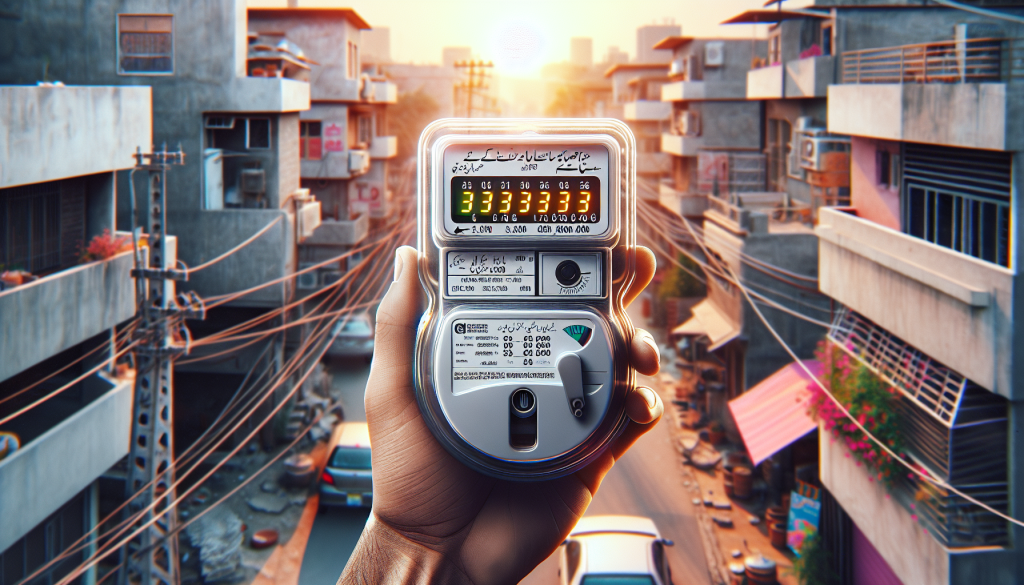
    Electricity consumers throughout Pakistan are experiencing a substantial rise in their monthly bills after the National Electric Power Regulatory Authority (NEPRA) revised its tariff structure. Starting January 2026, fixed charges will be calculated based on sanctioned load rather than electricity consumption, marking a significant shift in billing methodology.

    This change follows a request from the federal government and replaces the previous system where fixed charges applied only to consumers using more than 300 units per month. Under the former arrangement, these charges ranged from Rs200 to Rs1,000 and were tied directly to consumption levels.

    Notably, the new tariff applies fixed charges to all domestic consumers except lifeline users, regardless of their actual electricity usage. These charges are now determined on a per-kilowatt basis of the sanctioned load. NEPRA has set fixed charges between Rs200 and Rs675 per kilowatt per month, applicable to both protected and non-protected consumers across various domestic slabs.

    As a result, consumers with higher sanctioned loads will see a marked increase in their bills. For instance, a household with a 5kW load could face fixed charges rising from Rs1,000 to as much as Rs3,375 monthly. Experts highlight that this adjustment means even those with low electricity consumption will encounter higher bills, as a greater portion of their charges is now linked to load instead of usage.

    Share. Facebook Twitter Pinterest LinkedIn WhatsApp Reddit Tumblr Email
    Web Desk

    Related Posts

    Gold Prices Surge in Pakistan Amid Global Market and Geopolitical Tensions

    March 31, 2026

    How Sialkot’s Mid-Sized Firms Are Thriving Amid Rupee Volatility in 2026

    March 31, 2026

    Lesco Raises New Electric Meter Installation Fee to Rs 21,300

    March 31, 2026
    Leave A Reply Cancel Reply

    Latest Posts

    China Prohibits Storing Cremated Remains in Vacant Apartments

    March 31, 2026

    Sindh Govt to Survey Katcha Areas for Land Allocation from Dacoit Recoveries

    March 31, 2026

    Keir Starmer Urges Doctors’ Union to Reconsider Pay Deal Within 48 Hours

    March 31, 2026

    Italy Refuses US Military Access to Sicilian Air Base for Iran Strikes

    March 31, 2026

    Gaza Mother Faces Uncertainty Over Daughter’s Fate Amid Conflict

    March 31, 2026

    Pakistan Makes Progress in Child and Maternal Health but Inequality Persists

    March 31, 2026
    Don't Miss

    China Prohibits Storing Cremated Remains in Vacant Apartments

    By Web DeskMarch 31, 20260

    China has banned the practice of keeping cremated ashes in empty apartments, aiming to regulate funerary customs and promote proper cemetery use.

    Sindh Govt to Survey Katcha Areas for Land Allocation from Dacoit Recoveries

    March 31, 2026

    Keir Starmer Urges Doctors’ Union to Reconsider Pay Deal Within 48 Hours

    March 31, 2026

    Italy Refuses US Military Access to Sicilian Air Base for Iran Strikes

    March 31, 2026
    Facebook X (Twitter) Instagram Pinterest
    • Home
    • Buy Now
    © 2026 NewsOra24

    Type above and press Enter to search. Press Esc to cancel.