



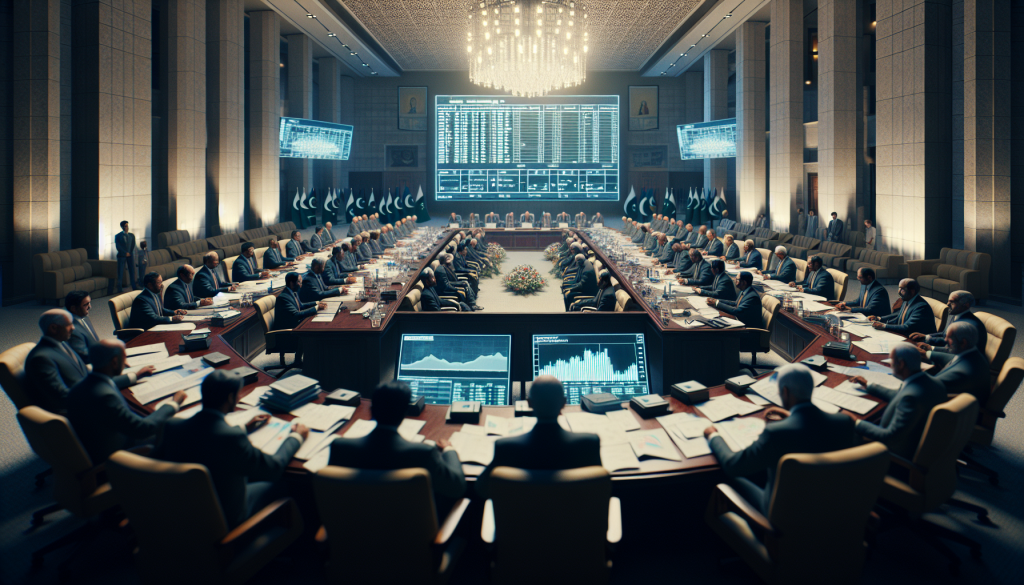
ISLAMABAD: Prime Minister Shehbaz Sharif emphasized on Monday that the government is committed to extending further relief to the poor and middle-income segments of society, assuring that they will not be forsaken during these difficult times.
Chairing a meeting focused on assessing the impact of the Middle East situation on petroleum supplies, current stock availability, and public relief initiatives, the prime minister highlighted the use of digital platforms to ensure direct delivery of assistance to the common people.
He noted that government spending and the development budget have been significantly reduced, with 60% of official vehicles taken off the roads as part of an internal austerity drive. The prime minister reiterated that proposals to increase fuel prices have been consistently declined, and the savings generated from these austerity measures are being redirected to support public relief efforts.
Thanks to timely decisions, disruptions in fuel supply have been avoided despite the ongoing global crisis. The prime minister also informed attendees that Pakistan is actively pursuing diplomatic efforts to promote regional peace.
A comprehensive briefing was provided on the implementation of fuel conservation policies, future strategies, and the current status of fuel stocks. Coordination with provincial governments is underway to accelerate the registration process for motorcycles and rickshaws, aiming to deliver prompt relief to their owners.
An Intelligence Bureau audit report was presented, confirming the strict enforcement of the prime minister’s austerity and fuel-saving campaign. It was assured that the austerity and simplicity measures are being rigorously applied across government departments.
The meeting confirmed that adequate fuel reserves are in place to meet national demand, with preparations ongoing for future needs. Although the levy on high-octane fuel used in luxury vehicles has been increased, jet fuel prices remain stable.
Additionally, sufficient stocks of essential medicines are available to meet the country’s requirements, and proposals for future actions were discussed.
The meeting was attended by Deputy Prime Minister and Foreign Minister Ishaq Dar, federal ministers Khawaja Muhammad Asif, Ahsan Iqbal, Dr. Musadik Malik, Ahad Khan Cheema, Syed Mustafa Kamal, Muhammad Aurangzeb, Attaullah Tarar, Ali Pervez Malik, Shaza Fatima Khawaja, Rana Mubashir Iqbal, Sardar Awais Khan Leghari, Advisor to the Prime Minister Rana Sanaullah, Minister of State Bilal Azhar Kiani, special assistants Tariq Fatemi and Talha Burki, MNAs Engineer Qamar-ul-Islam, Riaz-ul-Haq, Hafiz Muhammad Numan, along with other senior officials.

Leave an opinion