

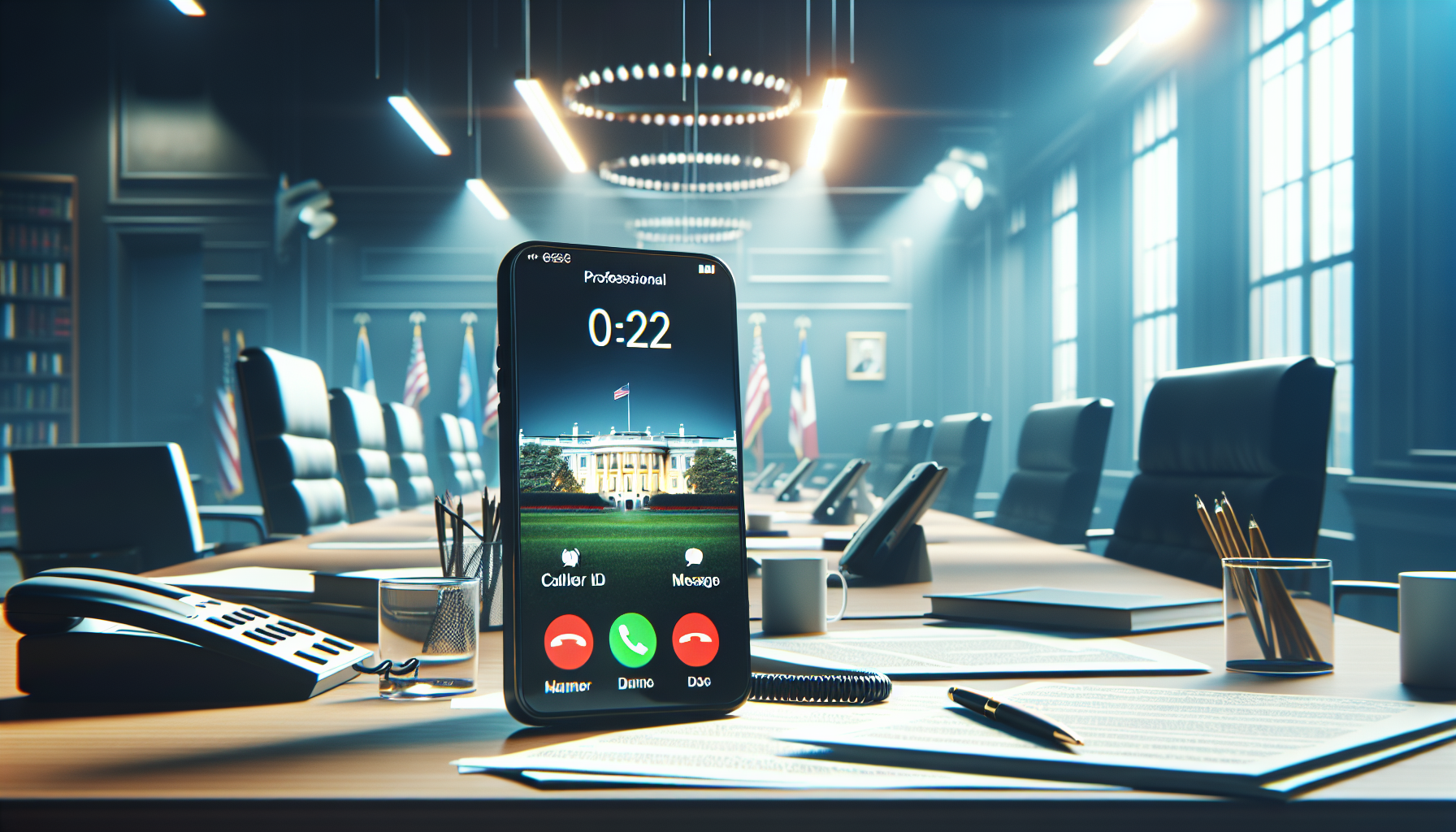
The White House became the focus of an unexpected digital controversy this week when Google Pixel users discovered that the presidential residence was incorrectly labeled as ‘Epstein Island’ on their caller ID screens. This error occurred when dialing the official White House switchboard, provoking immediate backlash due to the association with Jeffrey Epstein, the late convicted sex offender, and his private Caribbean estate, Little St. James.
The anomaly was first noticed by a journalist attempting to contact the White House, who observed the disparaging label displayed on their device. Notably, the issue appeared confined to Google’s own Pixel hardware, as users on other Android phones and iPhones did not report seeing the erroneous name. This suggested the problem was linked specifically to Google’s integrated call identification service.
In response, Google acted swiftly to resolve the matter, explaining that the mislabeling resulted from a malicious alteration of its crowdsourced geographical data. A Google spokesperson confirmed that a “fake edit” had been submitted to Google Maps, which was briefly reflected in the caller ID feature used by Pixel devices. The individual responsible for the edit was identified and blocked from making further changes due to policy violations. The White House’s correct name has since been restored across all platforms.
This incident has underscored the vulnerabilities in how major technology companies verify user-generated location data, especially when such information pertains to sensitive government institutions.
Meanwhile, the timing of this digital prank is notable, occurring shortly after the US Department of Justice released an extensive collection of documents related to the Epstein case, comprising over 3 million pages and 180,000 images. The release was ordered by President Donald Trump in November amid significant public pressure and has since been a focal point of political debate.
Although the documents reference President Trump more than 5,000 times, officials have stated there is no evidence implicating him in criminal activity. The President has publicly distanced himself from the scandal, denying ever visiting Epstein’s island and accusing political opponents of deeper involvement.
The controversy continues to fuel political discourse. A recent poll by Zeteo revealed that 52 percent of respondents believe the ongoing military conflict with Iran was orchestrated as a strategic distraction from the revelations contained within the Epstein files.
