



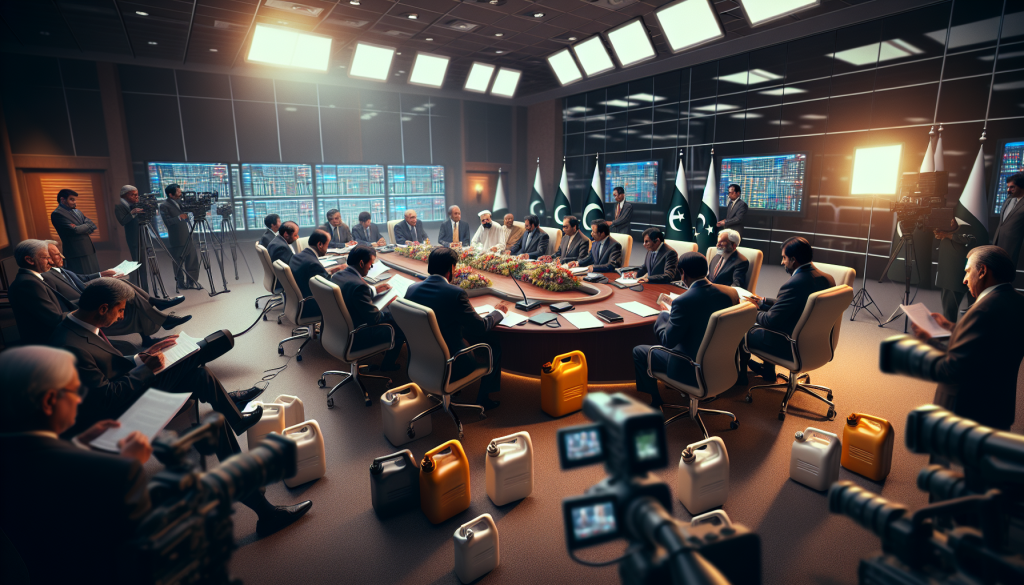
Prime Minister Shehbaz Sharif convened an extensive meeting to evaluate the effects of the Gulf crisis on petroleum supplies, current fuel stock levels, and strategies for public relief. The government is prioritizing additional assistance for low- and middle-income groups during these difficult times.
The discussion stressed the importance of close collaboration with provincial authorities to accelerate ownership registration for motorcyclists and rickshaw drivers, aiming to guarantee that relief reaches the intended beneficiaries. The Prime Minister underscored actions taken to curb government spending, including reductions in the development budget, an immediate halt to 60% of official vehicle usage, and a wider austerity drive designed to allocate more resources for public support.
Officials highlighted that proposals to increase fuel prices were consistently declined, with savings from decreased government expenditure redirected toward citizen relief. A digital platform is being utilized to ensure efficient distribution of aid to the public. Despite global supply chain disruptions, timely policy interventions have maintained an uninterrupted fuel supply within the country.
The meeting also reviewed the progress of the Prime Minister’s austerity campaign alongside an audit report from the Intelligence Bureau assessing its implementation. It was confirmed that national reserves of petroleum and essential medicines are sufficient, with plans to secure future supplies. Additionally, levies on high-octane fuel used in luxury vehicles have been introduced without impacting jet fuel prices.
Deputy Prime Minister and Foreign Minister Ishaq Dar, federal ministers including Mohammad Asif and Ahsan Iqbal, as well as senior officials from relevant departments, attended the session. The meeting concluded with recommendations for future strategies to sustain public relief efforts and maintain national stability amid ongoing regional and international challenges.

Leave an opinion