

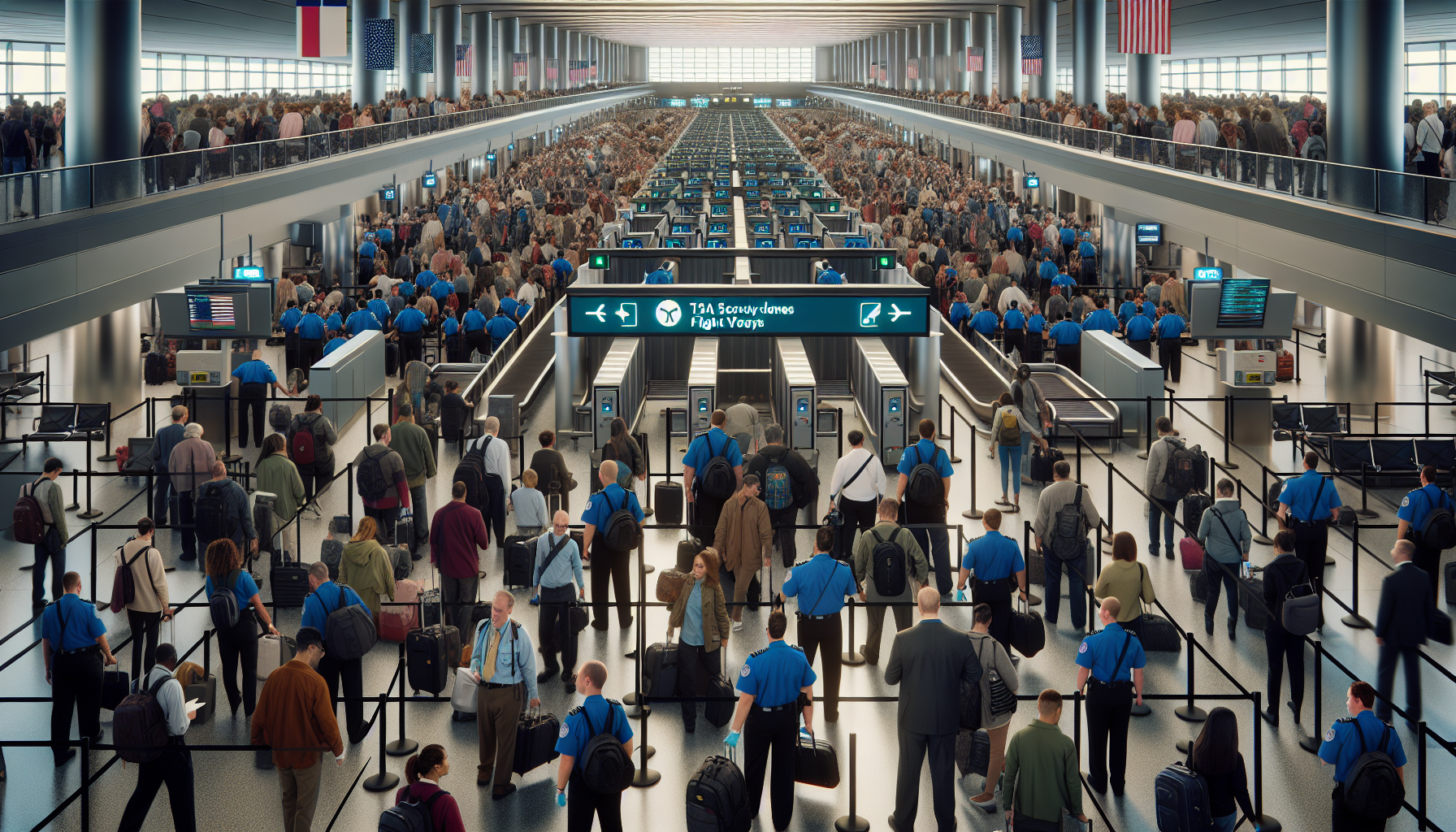
The United States is currently experiencing its longest partial government shutdown in history, now lasting 44 days. This unprecedented funding lapse specifically affects the Department of Homeland Security, which plays a critical role in maintaining airport security and border control. The shutdown has resulted in significant operational challenges, leading to widespread travel chaos at airports across the country. Passengers have faced delays, reduced staffing, and increased security wait times, disrupting both domestic and international flights.
Government shutdowns occur when Congress fails to pass appropriations bills to fund federal agencies, causing non-essential services to halt. The Department of Homeland Security is particularly vulnerable during such shutdowns because it relies heavily on continuous funding to support its security personnel. The ongoing impasse reflects broader political disagreements over budget priorities, impacting millions of travelers and raising concerns about national security. Meanwhile, the economic consequences extend beyond airports, affecting tourism and business sectors reliant on smooth transportation.
In a significant development, the prolonged shutdown has intensified calls for bipartisan negotiation to restore government functions and stabilize airport operations. The disruption underscores the critical importance of timely federal funding to maintain essential public services and national security infrastructure. As the shutdown continues, travelers and industry stakeholders remain on edge, hoping for a swift resolution to prevent further chaos. The situation highlights the broader implications of political stalemates on everyday life and the economy in the United States.
