

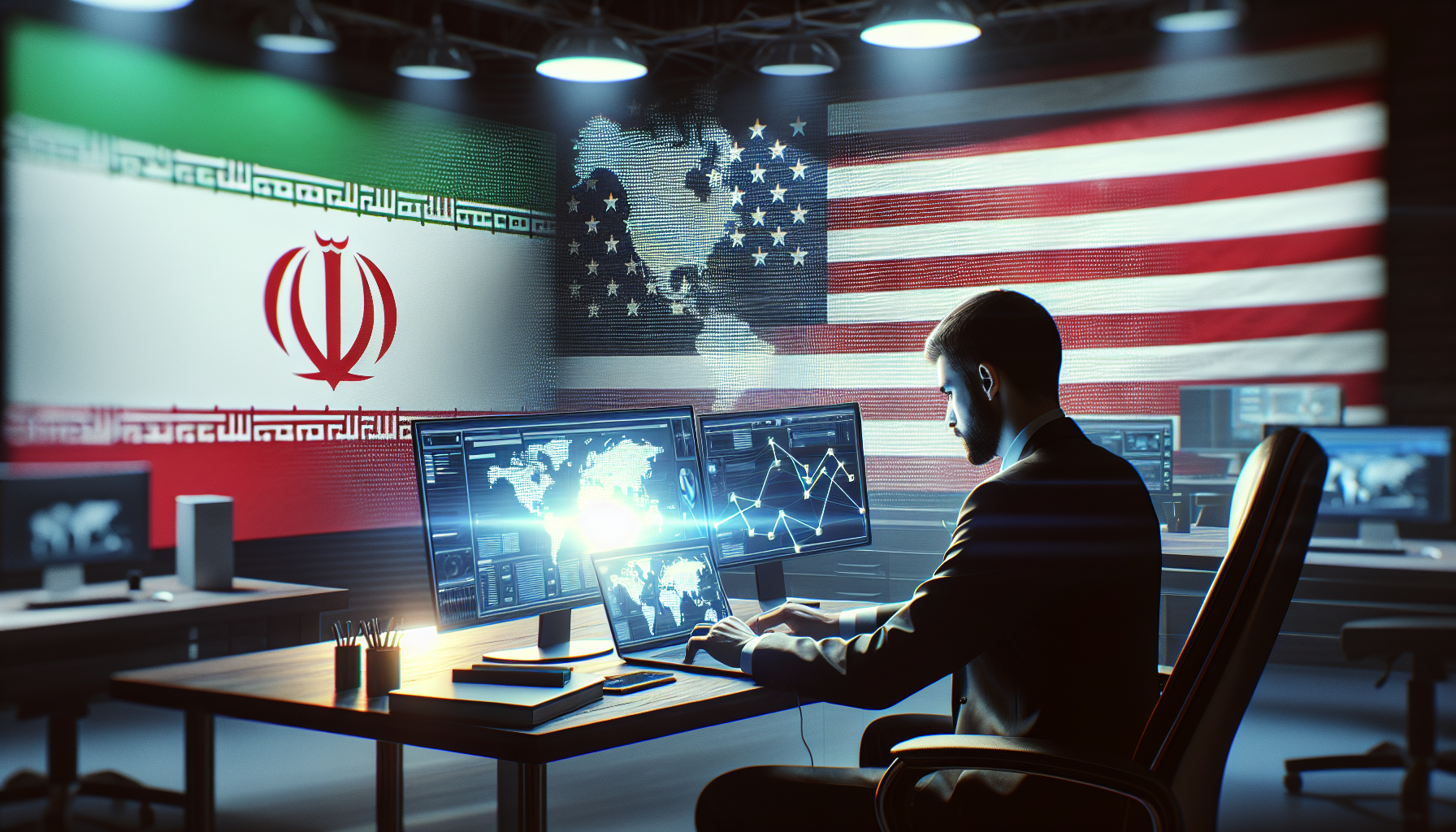
The United States has increasingly incorporated memes into its propaganda strategy targeting Iran, reflecting a novel approach to information warfare. This method leverages social media platforms to disseminate simplified, often humorous content designed to shape public perception and undermine adversaries. The use of memes represents a departure from traditional propaganda, emphasizing rapid, viral communication to engage younger, digital-native audiences. Such tactics highlight the evolving nature of psychological operations in the digital age.
Historically, propaganda has been a critical component of warfare, aiming to influence both domestic and international audiences. However, the rise of internet culture and social media has transformed how states conduct these campaigns. By memeifying conflict narratives, the US seeks to capitalize on the shareability and emotional impact of memes to sway opinions and potentially destabilize opposing regimes. This approach also reflects broader trends in hybrid warfare, where information manipulation complements conventional military actions.
In a significant development, this strategy underscores the importance of digital literacy and critical thinking in contemporary geopolitical conflicts. The widespread use of memes as propaganda tools raises questions about the ethical implications and effectiveness of such campaigns. Meanwhile, Iran and other nations are also adapting to this new battleground, engaging in their own digital influence operations. The memeification of war signals a shift toward more subtle, pervasive forms of conflict that extend beyond traditional battlefields.
