

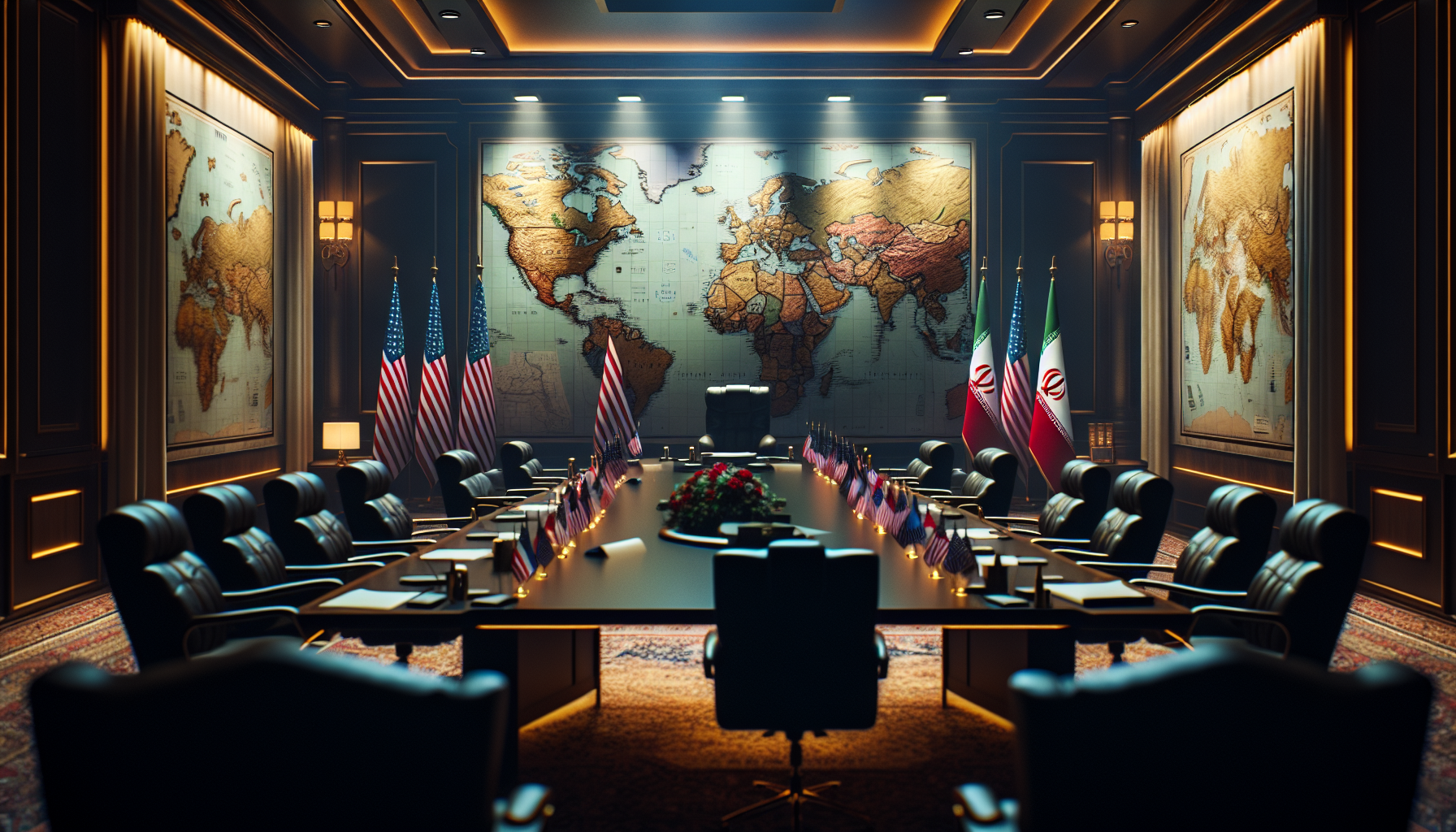
Rob Geist-Pinfold has provided insight into the contrasting objectives of the United States and Iran regarding the ongoing conflict. While the US is reportedly inclined towards bringing the war to a conclusion, Tehran seems to have a strategic interest in prolonging hostilities. This divergence underscores the complexity of diplomatic efforts aimed at resolving the crisis. The differing priorities highlight the challenges faced by international mediators in achieving a sustainable peace.
In a significant development, Geist-Pinfold’s analysis sheds light on the broader geopolitical implications of the conflict. The US’s desire to end the war aligns with its broader foreign policy goals of stability and regional security. Conversely, Iran’s apparent motivation to extend the conflict may be driven by its strategic calculations to strengthen its influence and leverage in the region. This dynamic creates a tense environment that complicates peace negotiations and prolongs instability.
Meanwhile, the ongoing conflict continues to impact regional and global security frameworks. The prolonged war risks exacerbating humanitarian crises and destabilizing neighboring countries. Understanding the motivations of key players like Iran and the US is crucial for policymakers and international actors working towards conflict resolution. Geist-Pinfold’s commentary provides valuable context for assessing future developments and potential pathways to peace.
