



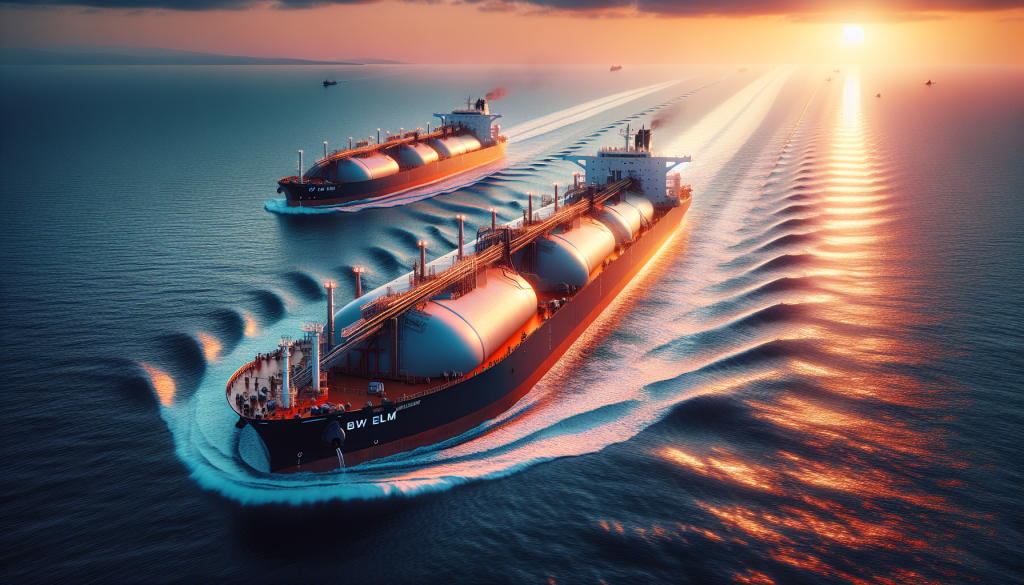
Two liquefied petroleum gas (LPG) tankers, BW Elm and BW Tyr, are currently traversing the Strait of Hormuz heading towards India, as revealed by ship tracking data from LSEG and Kpler. The ongoing U.S.-Israeli conflict with Iran has severely disrupted maritime traffic through this critical waterway. However, Iran recently announced that “non-hostile vessels” may pass through the strait provided they coordinate with Iranian authorities.
Both India-flagged vessels have successfully crossed the Gulf region and are now positioned in the eastern section of the Strait of Hormuz. This movement marks a gradual effort by India to clear its backlog of LPG cargoes stranded in the area. To date, four LPG tankers—Shivalik, Nanda Devi, Pine Gas, and Jag Vasant—have been moved out of the strait.
As of Friday, a total of 20 Indian-flagged ships, including five LPG carriers, remain stranded in the Gulf, Rajesh Kumar Sinha, special secretary in India’s federal shipping ministry. Among those still in the western Strait of Hormuz are LPG carriers Jag Vikram, Green Asha, and Green Sanvi, as per LSEG data.
India, the world’s second-largest importer of LPG, is currently facing its most severe gas crisis in decades. The government has implemented supply cuts to industries in order to prioritize household access to cooking gas. Last year, India consumed 33.15 million metric tons of LPG, with imports fulfilling approximately 60% of this demand. Notably, around 90% of these imports originate from the Middle East.
In addition to moving cargo, India is also utilizing its empty vessels stranded in the Gulf to load LPG, aiming to alleviate the supply bottleneck caused by regional tensions and shipping disruptions.

Leave an opinion