

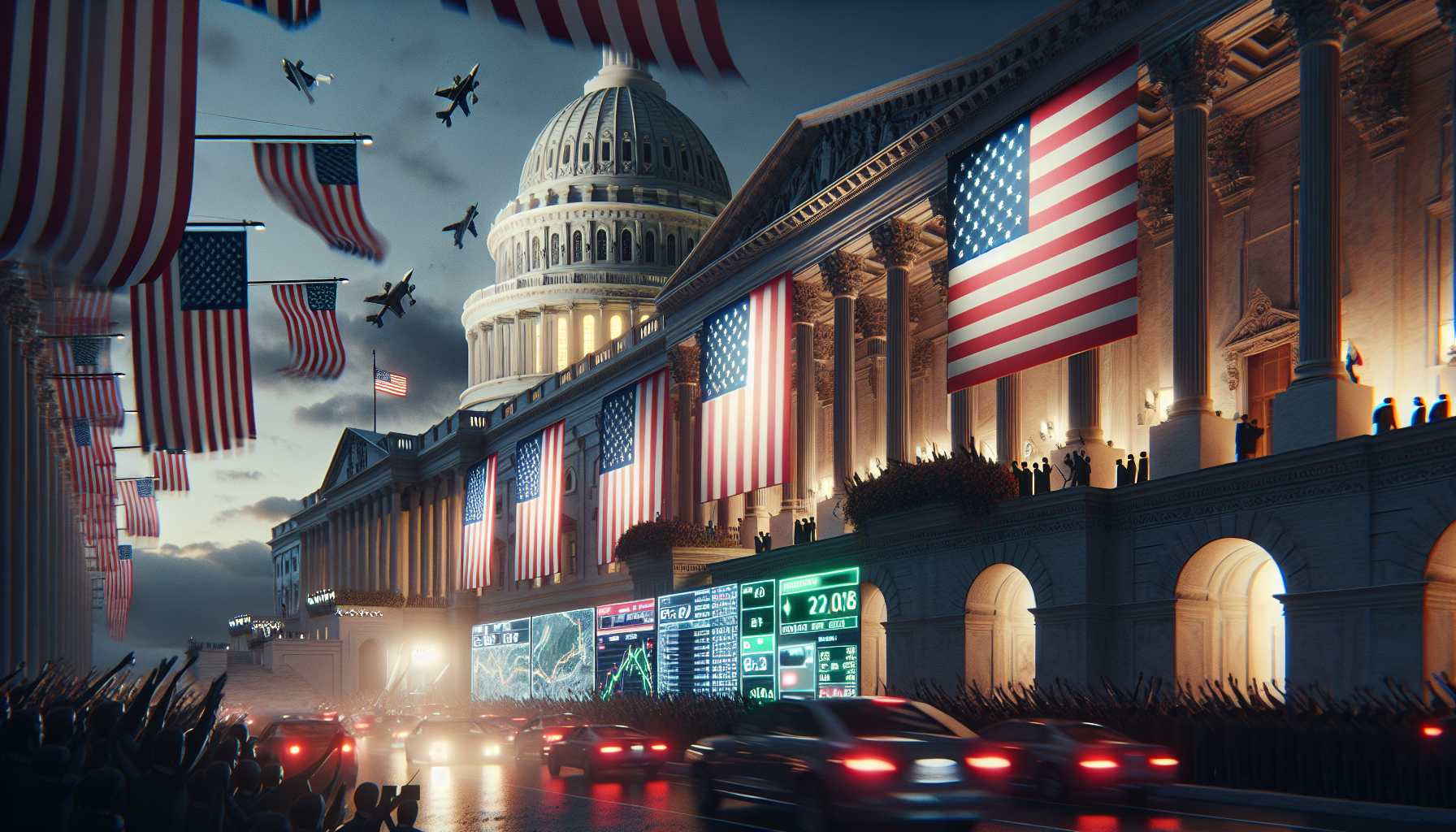
One month after the onset of hostilities involving Iran, American legislators from both major parties continue to hold firm positions without moving toward unified action. Despite widespread public unease reflected in recent polls, which highlight concerns over the war’s progression and its impact on gasoline prices, Congress remains polarized. This deadlock underscores the challenges in shaping a coherent US policy response amid competing political interests. The ongoing stalemate has significant implications for both domestic stability and international relations.
Notably, the conflict’s economic repercussions have intensified public scrutiny, as rising petrol prices strain household budgets and fuel inflationary pressures. The war’s persistence without clear legislative intervention raises questions about the effectiveness of US governance in addressing foreign policy crises. Meanwhile, the entrenched partisan divide hampers efforts to formulate a strategic approach that balances national security with economic considerations. This impasse also affects America’s global standing and its ability to influence regional dynamics in the Middle East.
In a significant development, the lack of decisive congressional action contrasts sharply with the urgency expressed by many citizens who demand accountability and resolution. The sustained disapproval among voters could influence upcoming elections and reshape political priorities. Furthermore, the situation highlights the complexity of navigating international conflicts within a deeply divided domestic political landscape. As the conflict continues, the pressure mounts on lawmakers to reconcile their differences and respond effectively to both public sentiment and geopolitical realities.
