



As the conflict with Iran enters its second month, President Donald Trump is confronted with difficult decisions amid rising global energy prices and declining approval ratings. The U.S.-Israeli campaign aimed at curbing Iran’s influence in the Middle East has struggled to contain the crisis, with Iran maintaining control over Gulf oil and gas shipments while continuing missile and drone attacks across the region.
Analysts highlight the central dilemma facing Trump: whether to accept a potentially flawed diplomatic deal to end the conflict or escalate militarily, risking a prolonged war that could overshadow his presidency. Despite extensive diplomatic efforts, including a 15-point peace proposal sent through a backchannel involving Pakistan, prospects for meaningful negotiations remain uncertain.
Trump has expressed a desire to avoid a “forever war,” urging aides to emphasize a conflict duration of four to six weeks, though officials acknowledge this timeline is uncertain. At the same time, the president has warned of a significant military escalation if diplomatic efforts fail, signaling a readiness to intensify the campaign.
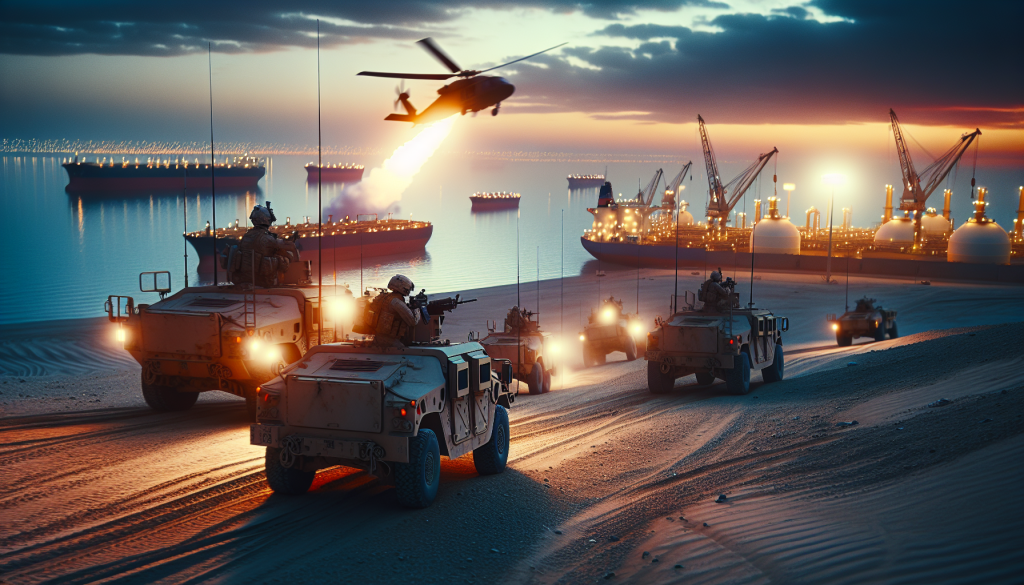
In a strategic move, thousands of additional U.S. troops are being deployed to the region, and Trump has threatened a stronger military response, potentially including ground forces, should Iran refuse to comply with U.S. demands. Experts suggest this show of force aims to pressure Tehran but also risks entangling the U.S. in a drawn-out conflict, which could alienate American voters.
One scenario under consideration involves a decisive air assault, dubbed “Operation Epic Fury,” targeting Iran’s military infrastructure and nuclear facilities. Following such an operation, Trump might declare victory and withdraw, provided the Strait of Hormuz—a critical oil shipping route—reopens. However, Iran continues to block the strait, complicating any claims of success. Trump has voiced frustration over European allies’ reluctance to contribute warships to secure the waterway.
Despite his repeated pledges to avoid foreign entanglements, Trump appears increasingly challenged by the expanding conflict he initiated alongside Israel. While publicly optimistic, his messaging has shifted toward reassuring financial markets, with aides emphasizing a swift end to hostilities. The absence of a clear exit strategy poses risks to both Trump’s legacy and the Republican Party’s prospects ahead of the November midterm elections.
Trump’s miscalculation of Tehran’s retaliatory capacity has been stark. Iran has launched missile and drone strikes against Israel and Gulf neighbors and has effectively closed the Strait of Hormuz, through which one-fifth of the world’s oil passes, triggering a severe global energy shock. Analysts note that Iran may be betting on enduring hardship longer than its adversaries.
White House officials remain confident that the strait will reopen soon, despite Iran’s current blockade. Notably, Trump recently retreated from a threat to destroy Iran’s power grid, instituting a five-day pause to allow diplomacy a chance, later extending it by ten days. This move was widely interpreted as an effort to calm markets amid growing domestic pressure.
Public opinion polls reveal widespread American opposition to the war. Although Trump’s core MAGA supporters largely back him, sustained economic impacts, including high fuel prices, could erode his political base. His approval rating has dropped to 36%, the lowest since his return to office. Republican lawmakers have expressed concern about the war’s political fallout, with some criticizing the administration for insufficient transparency regarding the campaign’s scope.
Diplomatic efforts remain complicated. The 15-point peace plan largely mirrors pre-war proposals Iran had rejected, demanding dismantlement of its nuclear program, missile limitations, abandonment of proxy groups, and control over the Strait of Hormuz. Iran has dismissed the offer as unfair but has not ruled out further indirect talks. Analysts suggest Iranian leaders, strengthened by hardline successors replacing those killed in U.S.-Israeli strikes, are in no hurry to negotiate, believing survival equates to victory.
Trump’s administration insists it is prepared to escalate if diplomacy fails, warning Iran of harsher consequences. Israeli officials have expressed concern that any U.S. concessions could restrict their ability to conduct further strikes. Gulf allies also fear a premature U.S. withdrawal could leave them vulnerable to a hostile neighbor.
If ground forces are deployed, potential operations could include seizing Iran’s Kharg Island oil hub or other strategic locations, or targeting underground stockpiles of enriched uranium. Such actions risk escalating the conflict into a broader war reminiscent of the prolonged engagements in Iraq and Afghanistan—conflicts Trump vowed to avoid during his presidency.

Leave an opinion