

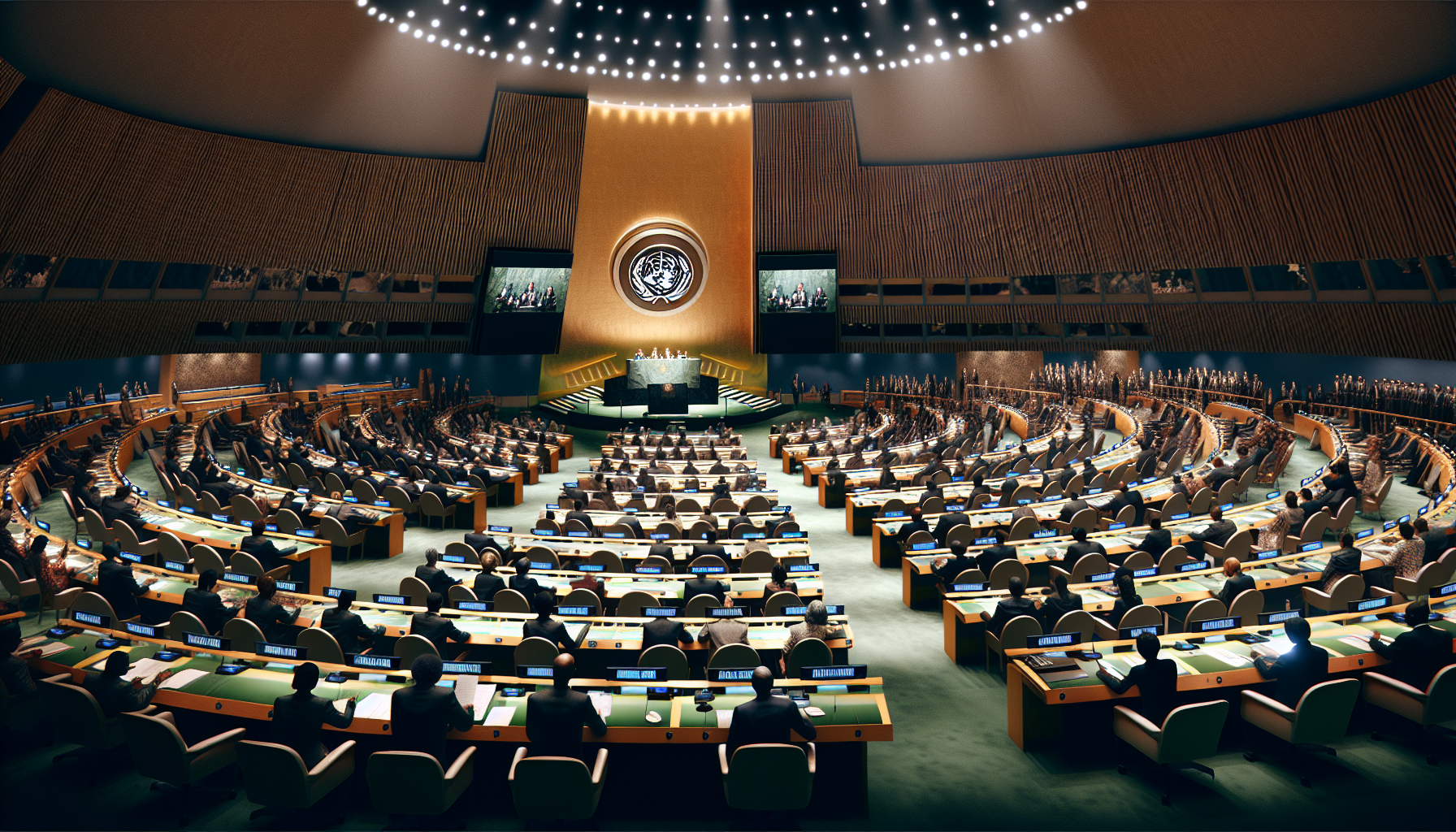
In a significant development, African and Caribbean nations have called for reparations from countries that historically benefited from the transatlantic slave trade. This demand follows a recent vote at the United Nations addressing the legacy of slavery and its enduring impact on affected communities. The call for compensation aims to acknowledge the profound human rights violations and economic exploitation endured by millions over centuries.
Meanwhile, the issue of reparations remains highly complex, as determining responsibility and the form of compensation involves intricate legal, political, and financial considerations. Many of the countries targeted for reparations have expressed reluctance, citing challenges such as the passage of time and the difficulty in quantifying damages. Nonetheless, the UN vote has reignited global discussions on historical injustices and the need for restorative justice measures.
Notably, this movement reflects a broader push for accountability and reconciliation in international relations, emphasizing the long-term consequences of slavery on social and economic inequalities. The outcome of these discussions could influence future policies on reparations and reparative actions worldwide. As the debate continues, it underscores the importance of addressing historical wrongs to foster healing and equity among nations.
