

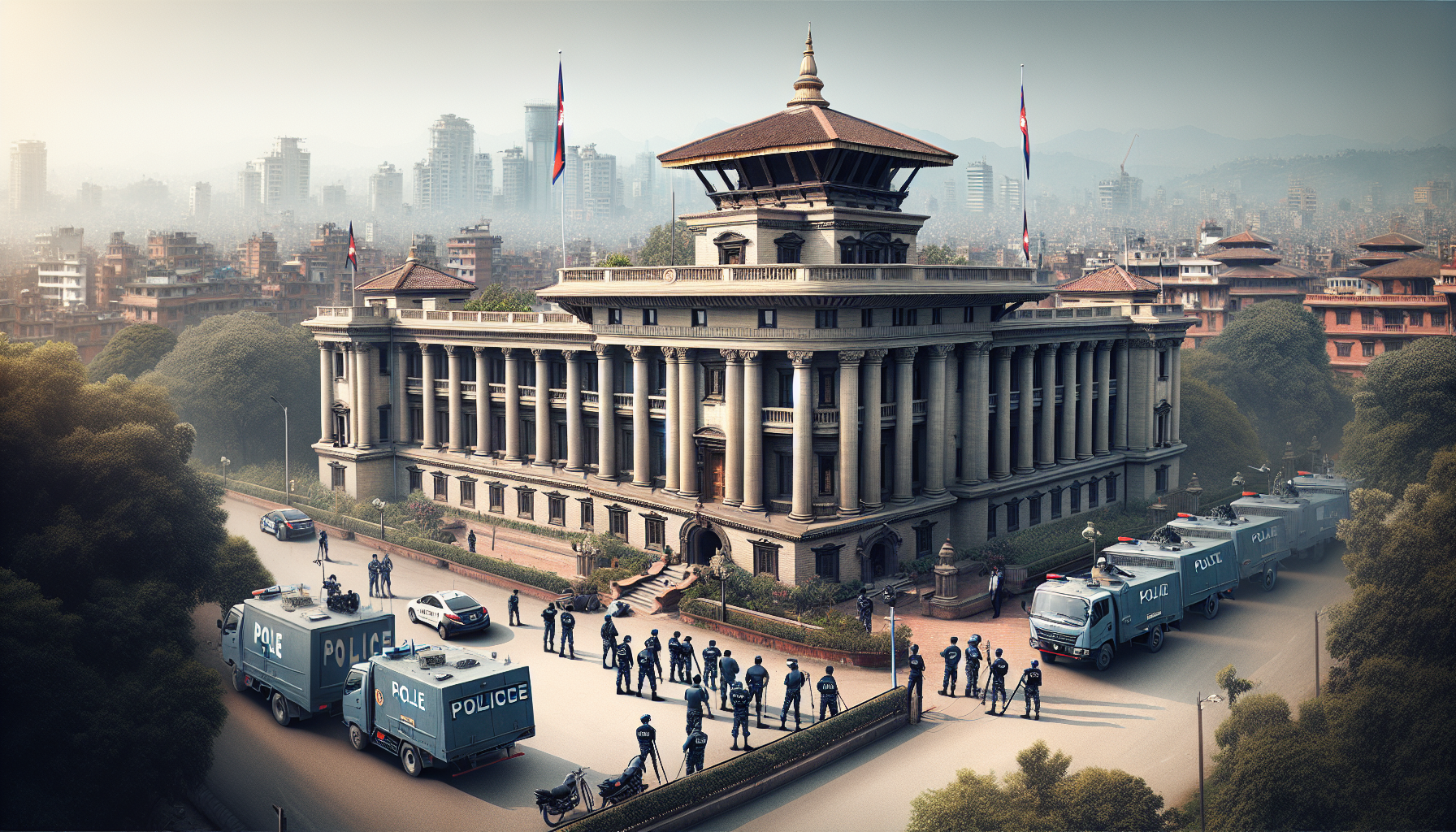
In a significant development, Nepal’s former Prime Minister KP Sharma Oli has been arrested in relation to the crackdown on protests that occurred last year. The demonstrations led to a violent confrontation between security forces and protesters, culminating in the deaths of more than 70 individuals. This uprising was a pivotal moment that ultimately forced Oli’s government to step down, marking a major political shift in Nepal.
The protests were driven by widespread dissatisfaction with Oli’s administration, which faced criticism for its governance and handling of various national issues. The fatal crackdown has since been a subject of intense scrutiny and debate within Nepalese society and among international observers. Oli’s arrest signals a move towards accountability for the events that unfolded during the unrest.
Meanwhile, the detention of a former head of government over such a grave incident underscores the challenges Nepal faces in balancing political stability with human rights. The case is expected to have far-reaching implications for Nepal’s political landscape and may influence how future protests and government responses are managed. It also highlights the ongoing struggle for justice by the families of those who lost their lives during the uprising.
