

Nearly a month after the outbreak of conflict in the Middle East, Lebanon is grappling with an escalating humanitarian emergency that risks turning into a full-scale catastrophe, the United Nations refugee agency has cautioned. Since March 2, over one million people—equivalent to one in every five residents—have been uprooted from their homes.
Karolina Lindholm Billing, the UNHCR representative in Lebanon, highlighted the gravity of the situation, stating that the crisis is deepening rapidly on the ground. Speaking from Beirut, she emphasized that the conditions remain dire and the threat of a humanitarian disaster is very real.
Lebanon became entangled in the conflict on March 2 when Hezbollah, backed by Tehran, launched rocket attacks into Israel in retaliation for the killing of Iranian supreme leader Ayatollah Ali Khamenei. The resulting displacement has overwhelmed local infrastructure.
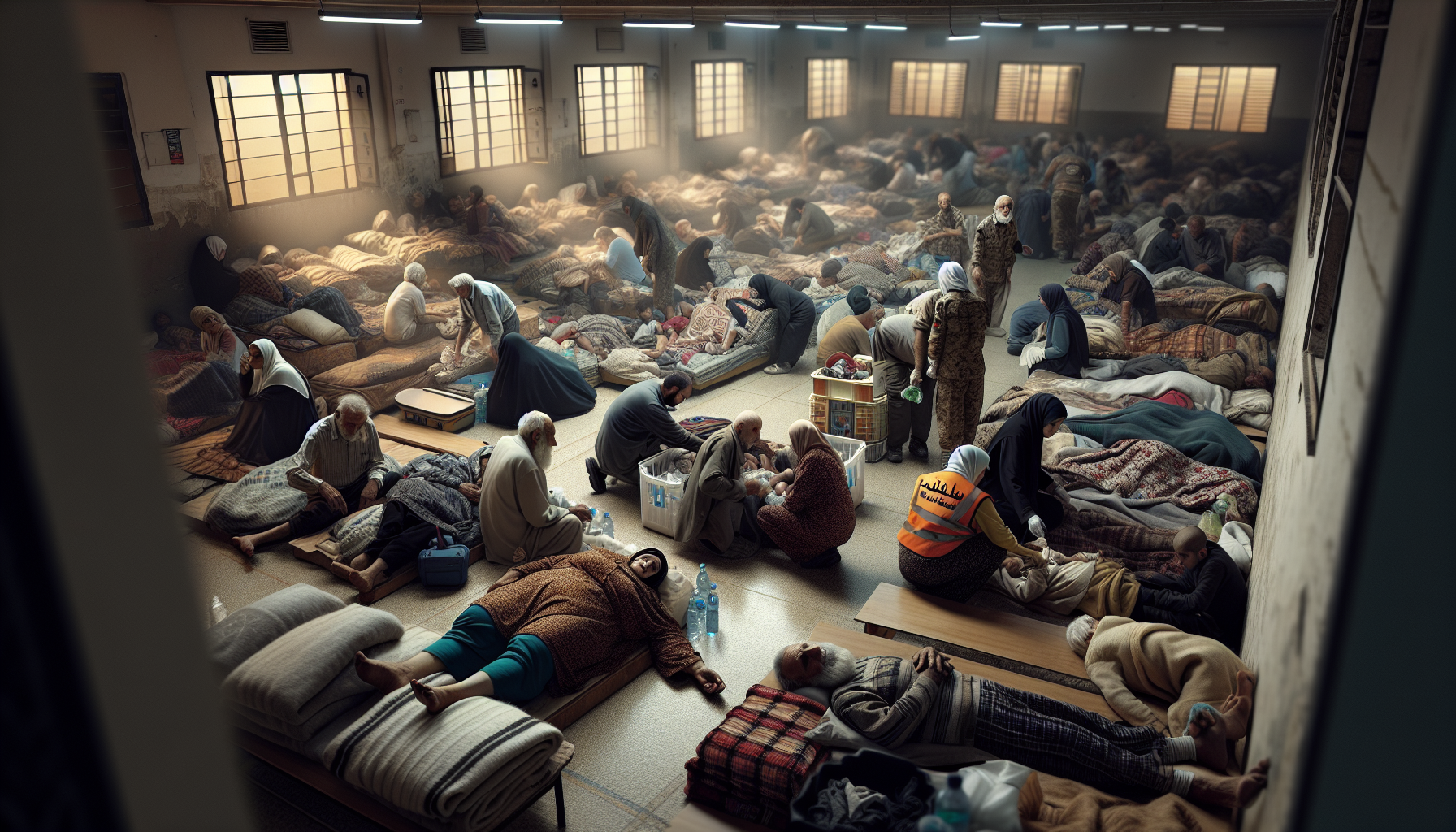
Currently, more than 136,000 displaced individuals are housed in 660 collective shelters, most of which are schools operating well beyond their intended capacity. Access to sanitation is severely limited, and elderly residents face difficulties sleeping on classroom floors. Even within these shelters, people feel unsafe, living in constant fear. The psychological impact, especially on children, is expected to persist long after the conflict ends.
In southern Lebanon, the destruction of critical bridges by Israeli forces has isolated over 150,000 people, significantly restricting humanitarian aid delivery. The UNHCR has launched an appeal for over $60 million to expand its relief efforts, warning that the demand for assistance is outpacing available resources.
Lindholm Billing noted that Lebanon was already struggling with multiple crises before this massive displacement, which is now placing enormous strain on families and public services. She shared that many displaced individuals express a strong desire to return to their homes once conditions allow.
Meanwhile, the World Health Organization has dispatched its first humanitarian convoy overland to Lebanon, which has successfully reached Syria. The International Federation of Red Cross and Red Crescent Societies reported that the Lebanese Red Cross is actively distributing essential aid, including blankets, mattresses, meals, bread, and safe drinking water to affected households.
Tommaso Della Longa, IFRC spokesman, highlighted that the Lebanese Red Cross serves as the primary ambulance provider and has initiated an emergency blood transfusion program to ensure hospitals maintain an uninterrupted blood supply. Between March 2 and 23, the Lebanese Red Cross conducted 2,754 ambulance missions and 11 urban search and rescue operations.
Tragically, one volunteer has lost their life and several others have been injured during ambulance missions. Despite these challenges, staff and volunteers continue to operate under extreme pressure, prioritizing both their own safety and the urgent evacuation of injured individuals.
