

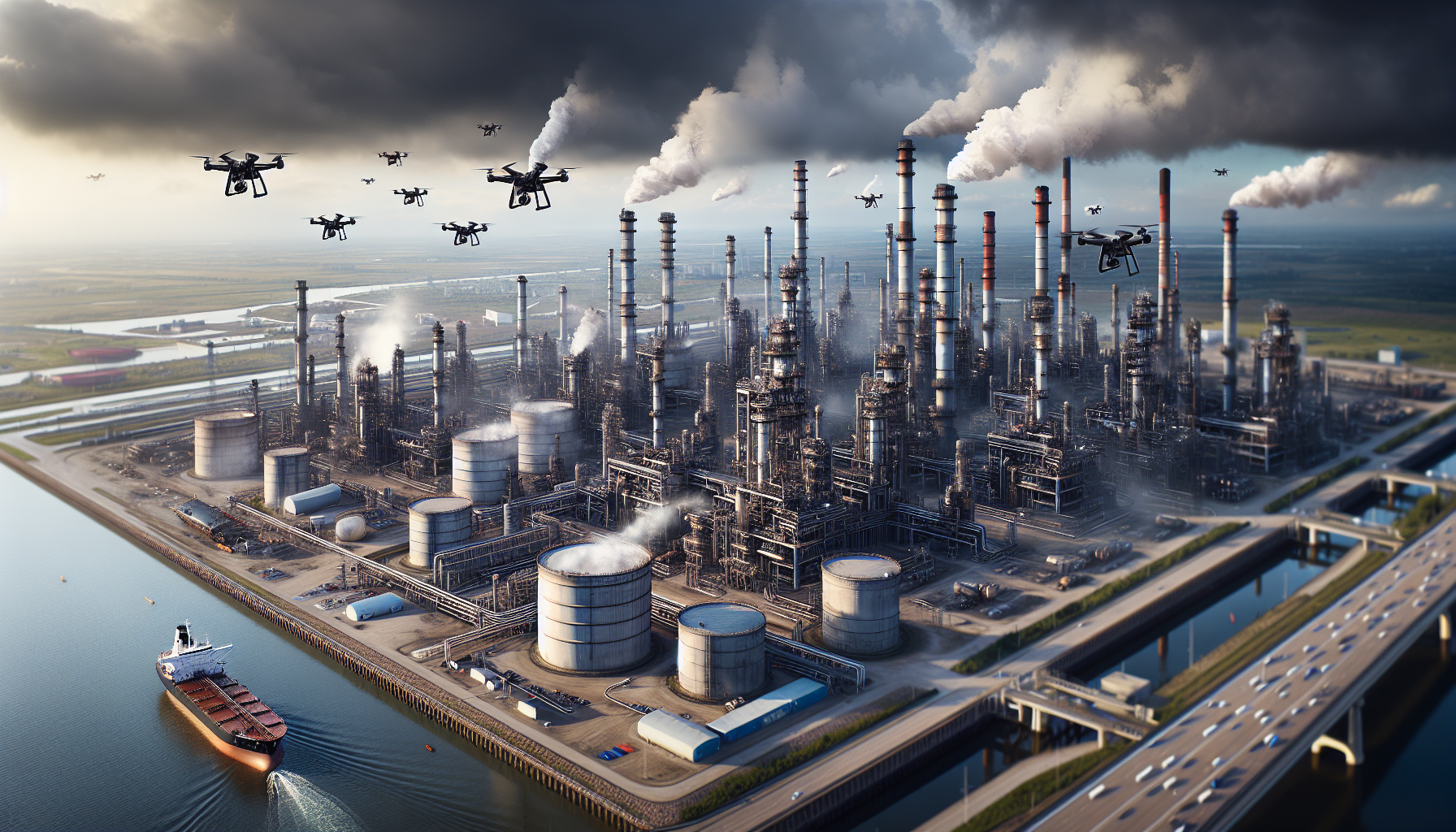
Russia’s energy sector is facing an unprecedented crisis as Ukrainian drone strikes, combined with unexplained pipeline interruptions and tanker seizures, have disabled roughly 40% of the country’s oil export capacity. This marks the most severe damage to Moscow’s fossil fuel infrastructure in recent history.
The timing of these disruptions is particularly damaging for Russia. With the ongoing conflict in Iran pushing global crude prices beyond $100 per barrel, Russia is unable to fully benefit from the price surge, resulting in billions of dollars in lost revenue from its key economic sector.
The extensive paralysis has sent ripples through international markets, as the world’s second-largest oil exporter struggles to sustain its supply chains amid continuous aerial assaults. Although Russian officials have remained silent on the extent of the damage, interruptions at major transit points and a contested strike on a vital pipeline have severely restricted the flow of Urals crude oil.
This internal infrastructure breakdown is further compounded by maritime challenges, including the seizure of multiple tankers, which complicates efforts to circumvent Western sanctions. With global oil supplies already strained due to escalating conflict in the Middle East, the sudden reduction in Russian exports threatens to maintain energy prices at historically high levels for the foreseeable future.
