

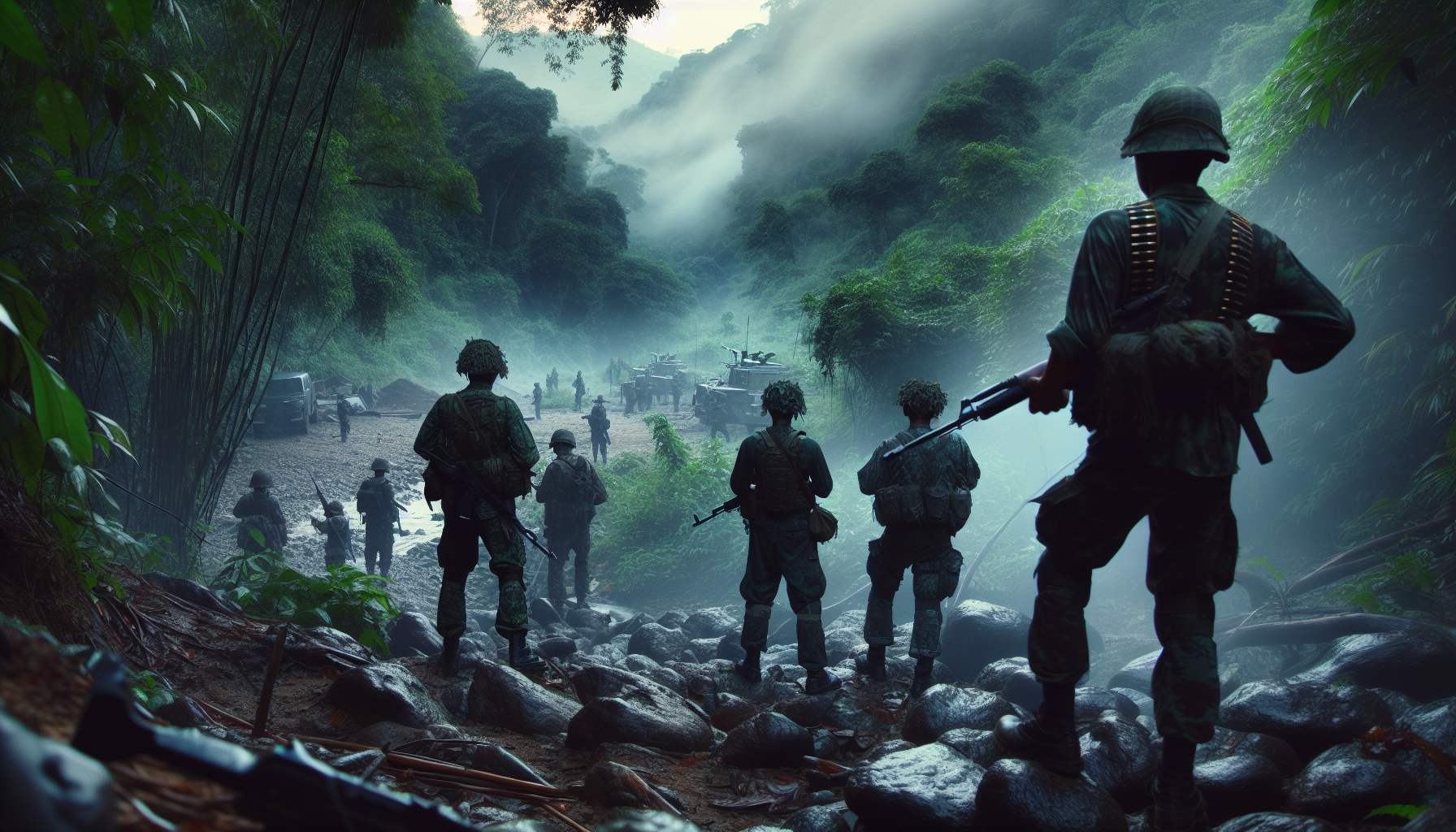
Myanmar is currently engulfed in a multifaceted civil war characterized by a complex network of alliances that frequently change. The conflict primarily pits the ruling military junta against various ethnic armed organizations and pro-democracy groups. This dynamic has led to a fragmented battlefield where loyalties and objectives often overlap or diverge, complicating efforts toward peace.
Ethnic armed groups, some of which have long sought autonomy or independence, play a significant role in the conflict’s persistence. Meanwhile, pro-democracy forces emerged strongly following the military coup in February 2021, intensifying resistance against the regime. The military’s attempts to consolidate power have been met with fierce opposition, leading to widespread violence and humanitarian crises.
In a significant development, the fluid nature of alliances means that ceasefires and negotiations remain fragile, with ongoing clashes disrupting civilian life and regional stability. The civil war’s continuation threatens Myanmar’s future political landscape and poses challenges for international mediation efforts. Understanding the intricate relationships among these factions is crucial for any resolution strategy.
