



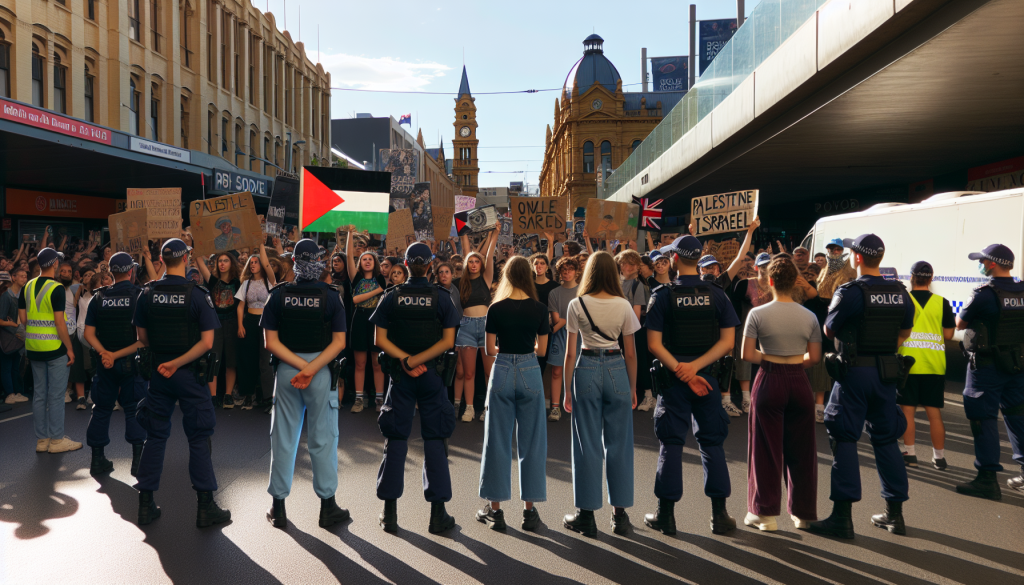
In the wake of recent events at Bondi, Australia has implemented stricter regulations aimed at controlling public demonstrations. These measures have ignited a debate about the future of peaceful protest in the country, with activists expressing concern that the new rules could suppress legitimate dissent. The crackdown comes amid heightened tensions surrounding pro-Palestinian activism, which has gained significant visibility in recent months.
Meanwhile, critics argue that the Australian government appears to be prioritizing the concerns of the Jewish community over other groups, particularly those advocating for Palestinian rights. This perception has fueled accusations of bias and raised questions about the equitable treatment of diverse voices in public discourse. The situation highlights the delicate balance authorities must maintain between ensuring public order and protecting freedom of expression.
In a significant development, the controversy surrounding these policies underscores broader global challenges related to managing protests linked to international conflicts. Australia’s approach may set a precedent for how democratic societies navigate the complexities of community sensitivities and civil liberties. The ongoing debate reflects the critical importance of safeguarding peaceful protest as a cornerstone of democratic engagement while addressing security concerns.

Leave an opinion