

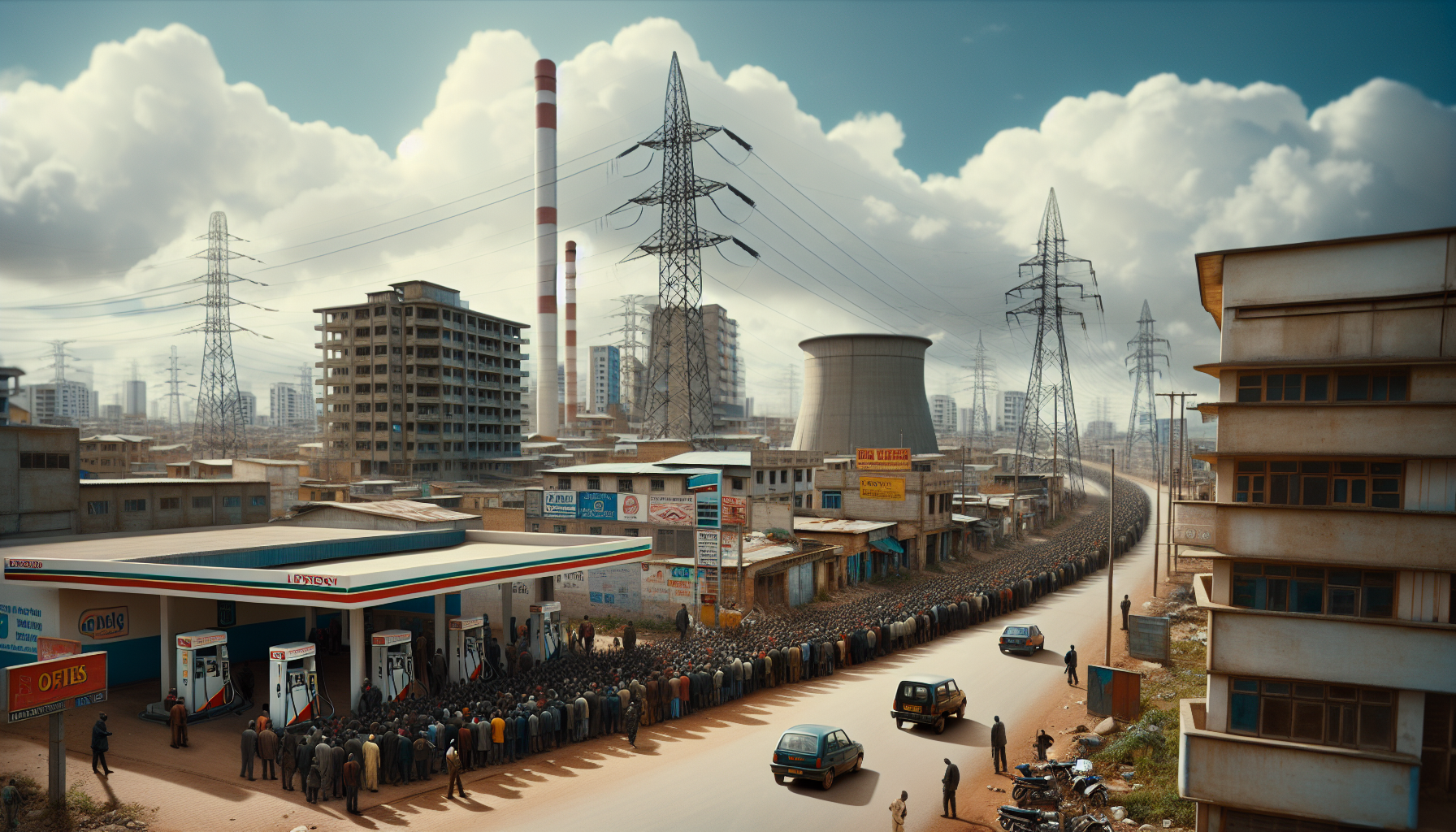
Several African nations are grappling with significant energy challenges as the ongoing conflict in Iran disrupts global oil supplies. This disruption has led to widespread shortages of petrol and electricity, forcing governments to implement rationing measures to manage limited resources. The scarcity is affecting both urban and rural areas, causing economic strain and inconveniences for millions of people. These shortages highlight the continent’s vulnerability to fluctuations in international energy markets.
In a significant development, power rationing has become a common strategy to cope with the reduced availability of fuel needed for electricity generation. Many African countries rely heavily on imported oil, making them particularly susceptible to geopolitical tensions in major oil-producing regions like the Middle East. The rationing not only affects households but also hampers industrial productivity and essential services, exacerbating economic difficulties. Meanwhile, the shortage of petrol has led to increased transportation costs and disruptions in supply chains, further impacting daily life and commerce.
Notably, the situation underscores the urgent need for African nations to diversify their energy sources and invest in sustainable alternatives. The current crisis serves as a wake-up call about the risks of overdependence on imported fossil fuels. Regional cooperation and international support may be crucial in mitigating the immediate effects and building resilience against future shocks. As the Iran conflict continues, the energy challenges faced by African countries are likely to persist, with long-term implications for development and stability across the continent.
