



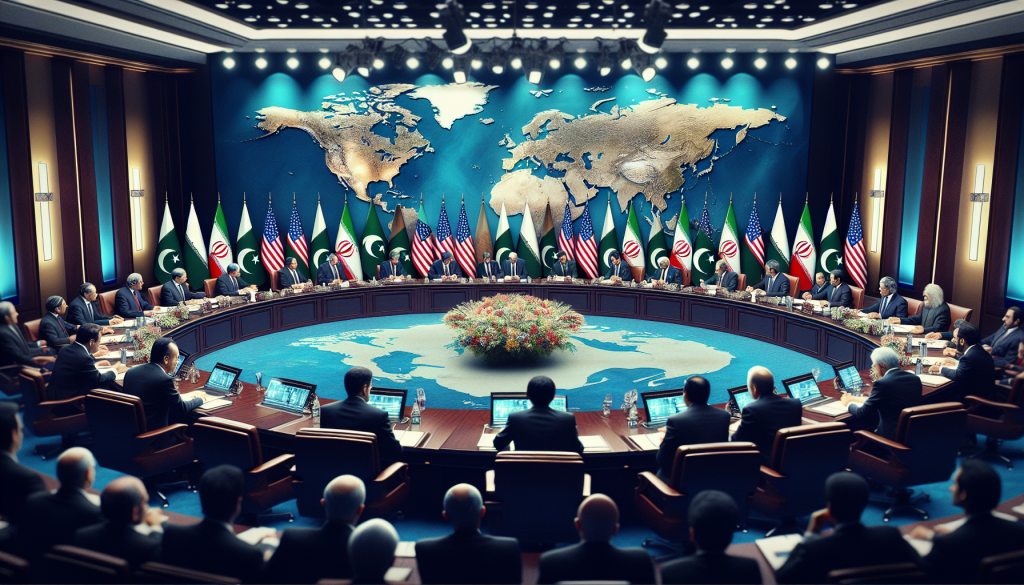
Pakistan has transmitted a US proposal to Iran, a senior Iranian official revealed on Wednesday, though the location for potential negotiations between Tehran and Washington to resolve the ongoing conflict remains undecided. The official, speaking anonymously due to the sensitive nature of the issue, did not specify whether the proposal was the 15-point US framework previously reported by various outlets.
Meanwhile, Turkey is assisting in efforts to find a resolution to the war, with either Turkey or Pakistan being considered as possible venues for the talks. Analysts and security experts highlight that Islamabad’s primary concern is the risk of the conflict in Iran extending into Pakistan, especially given Pakistan’s ongoing struggle with the Afghan Taliban and recent fuel supply disruptions linked to the Iran war, which began on February 28 as a US-Israel initiated conflict.
In a significant development, this news follows reports that Pakistan is positioning itself as the chief mediator in efforts to broker peace between the US and Iran. Chief of Defence Forces and Chief of Army Staff Field Marshal Asim Munir reportedly spoke with former US President Donald Trump on Sunday. Senior Pakistani officials have also been facilitating back-channel communications involving Tehran, Steve Witkoff, and Jared Kushner. The White House confirmed the call between Trump and Munir but declined to comment on potential visits by Witkoff and Kushner, emphasizing the sensitivity and fluidity of the diplomatic discussions.
Over the last two days, Pakistan, in close cooperation with Turkey and Egypt, has played a crucial role in back-channel diplomacy, transmitting messages between the US and Iran to prevent escalation and maintain regional stability. Additionally, there are reports that Pakistan might host a US-Iran meeting later this week, possibly attended by US Vice President JD Vance. Prime Minister Shehbaz Sharif expressed Islamabad’s readiness to host such talks aimed at resolving the Middle East conflict.
Notably, Trump’s recent shift in rhetoric—from threatening to strike Iran’s power plants if the Strait of Hormuz was not reopened within 48 hours—signals a move toward diplomacy, influenced by warnings from Gulf allies about the risks of escalating violence through attacks on civilian infrastructure.
Despite these developments, the possibility of negotiations remains uncertain. Iran has publicly denied engaging in talks with the United States. Iran’s foreign ministry spokesperson Esmail Baghaei dismissed Trump’s claims, citing past betrayals during nuclear negotiations that led to attacks on Iran. Similarly, Iran’s ambassador to Pakistan, Reza Amiri Moghadam, stated that no direct or indirect negotiations have occurred between Tehran and Washington, though he acknowledged that friendly nations are working to create conditions conducive to dialogue aimed at ending the imposed conflict.
Since the conflict began on February 28, more than 2,000 lives have been lost in the war initiated by the US and Israel against Iran. The hostilities have disrupted global markets, increased fuel prices, heightened inflation concerns, and unsettled Western defense alliances.

Leave an opinion